
Last updated November 24, 2026
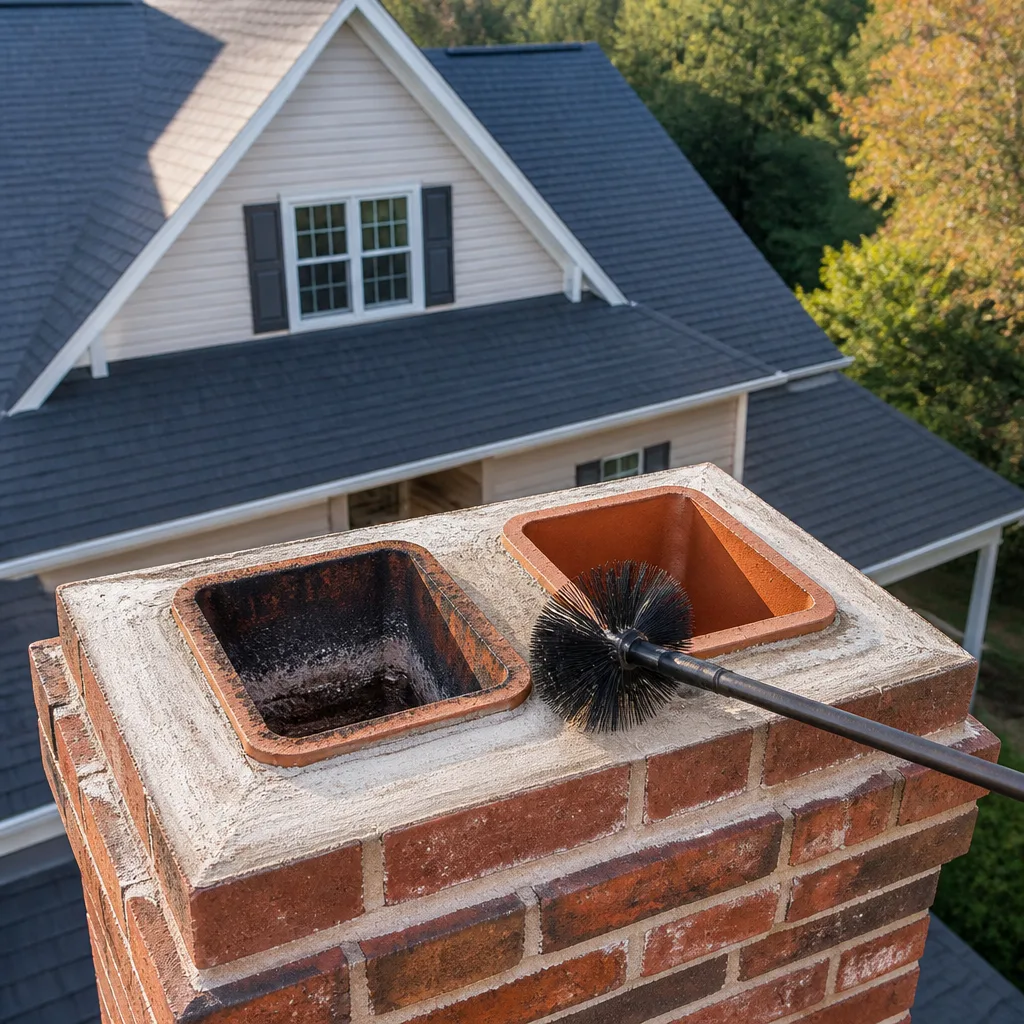 Sweep & inspection
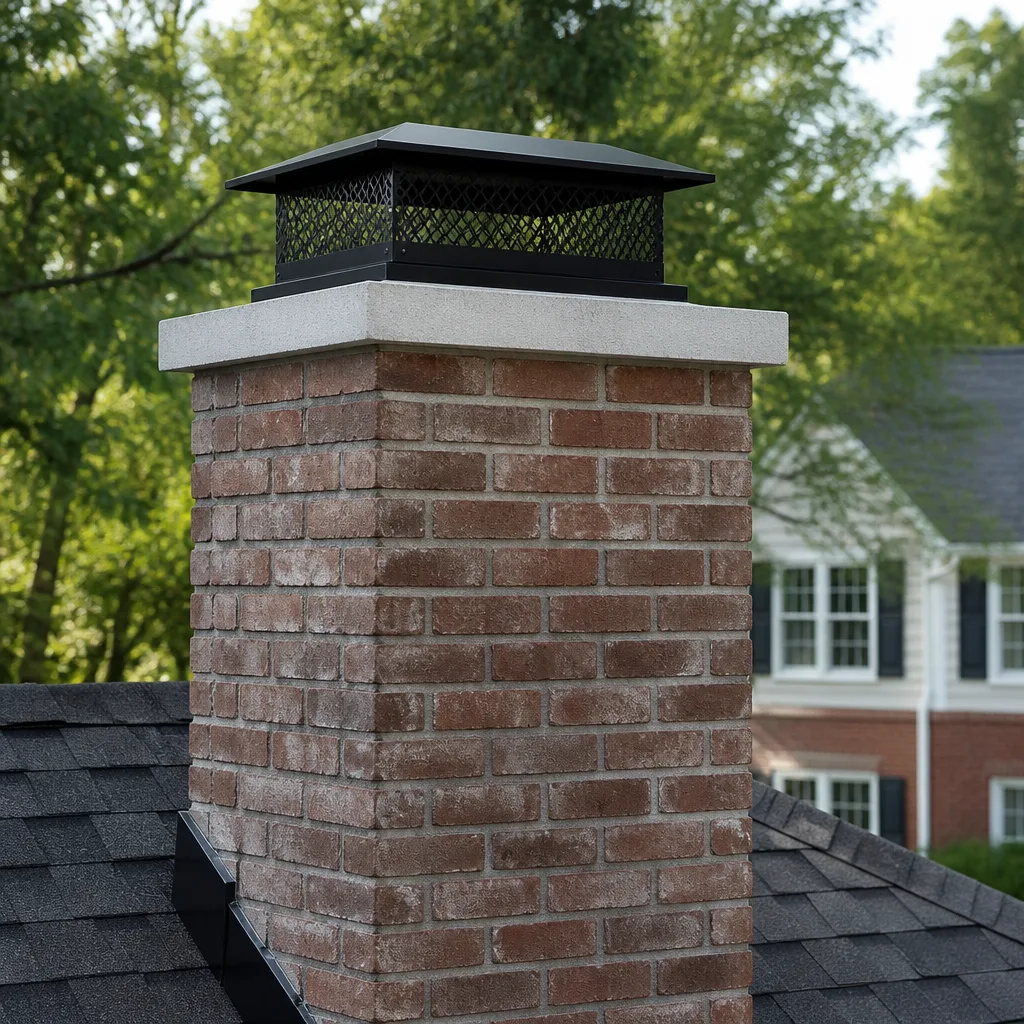 Caps & crowns
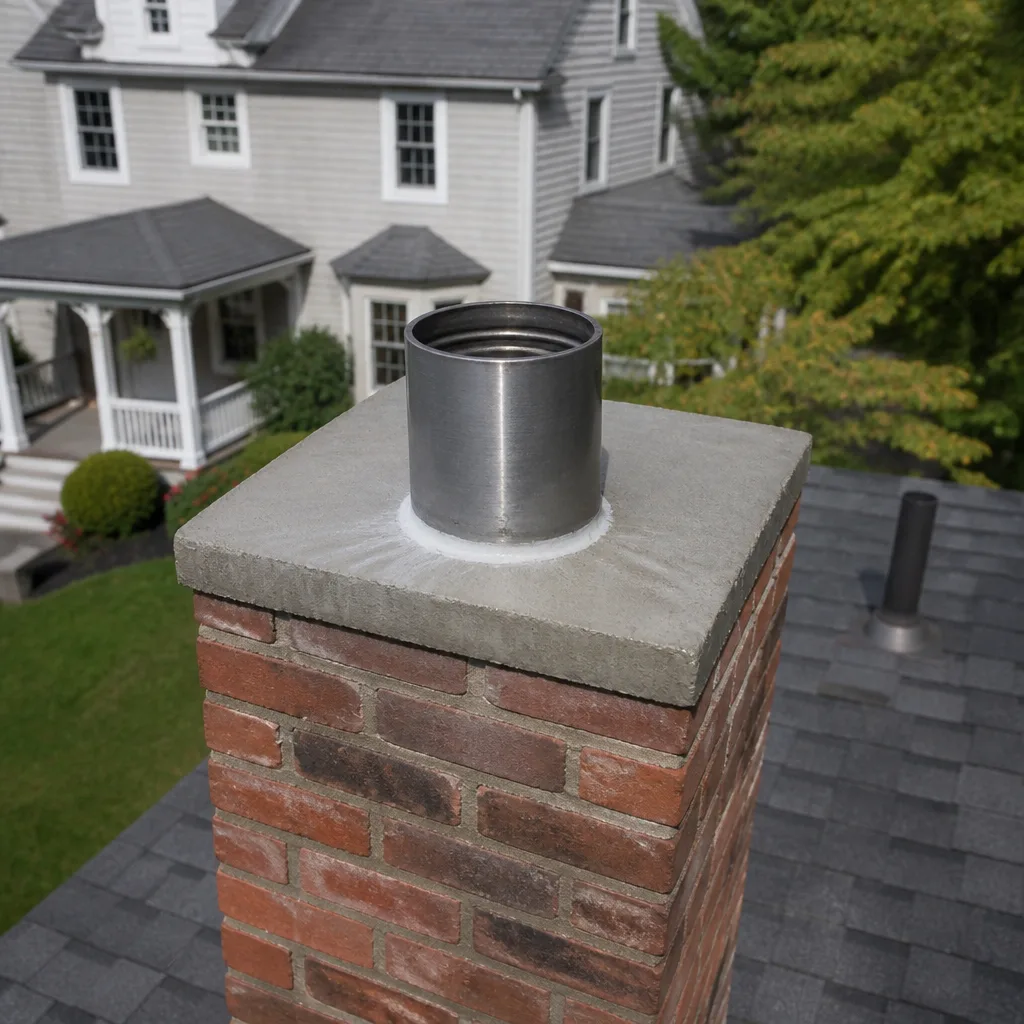 Flue relining
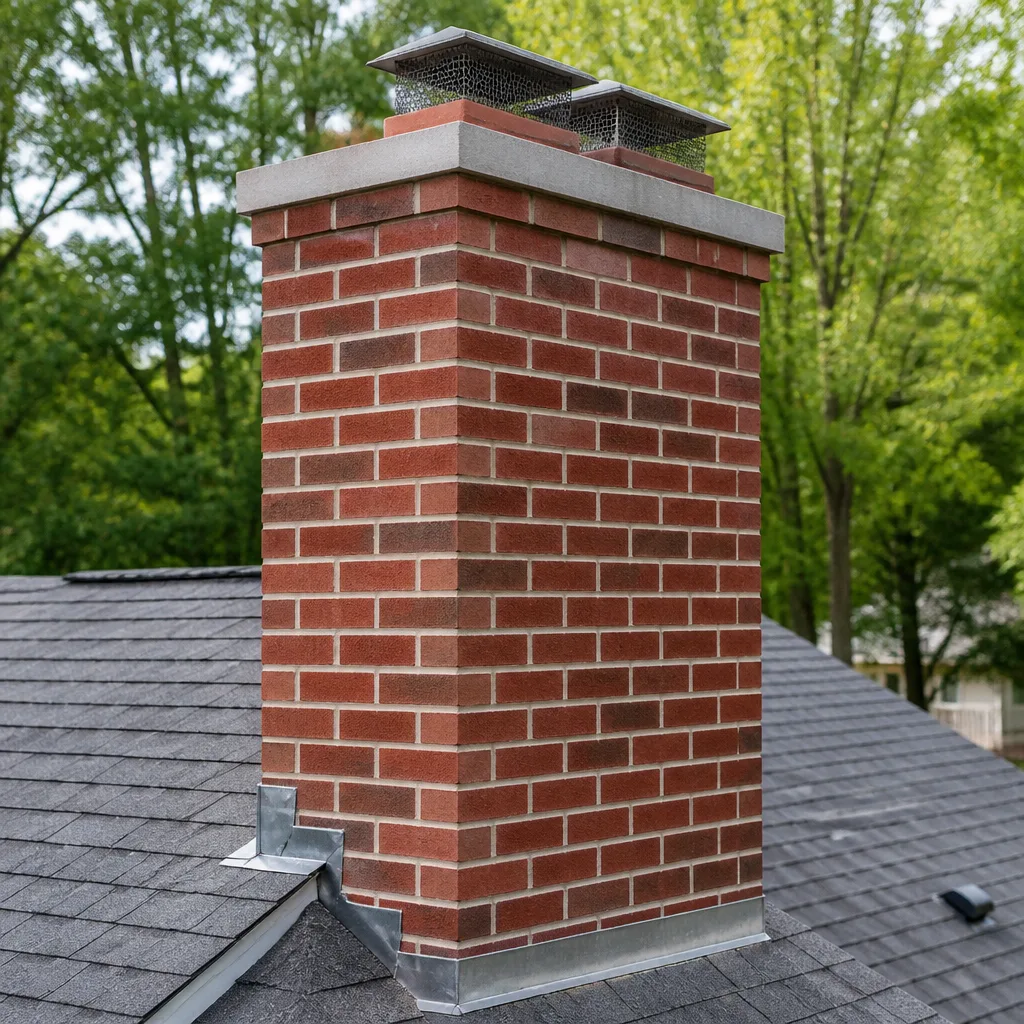 Masonry repair
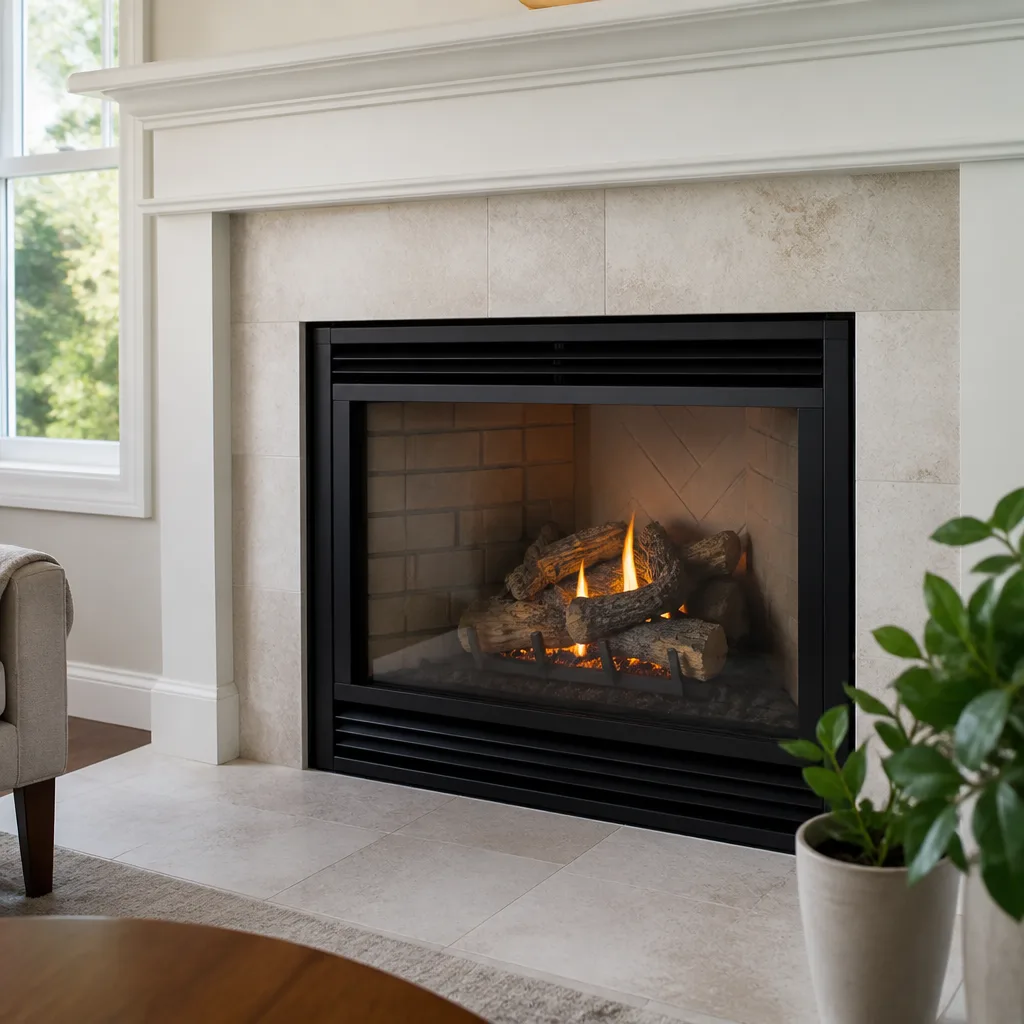 Gas fireplace service
Level 1 sweep and inspection to the NFPA 211 annual standard - flue, crown, cap, and flashing checked and photographed
Chimney sweep logs do not sweep chimneys. They loosen some creosote - which then falls where a brush and vacuum still have to collect it.
Chimney Cleaning Warning Signs: A Riverton Homeowner’s Reference Guide
A white stain running down your fireplace’s exterior brick isn’t a cosmetic problem. It’s efflorescence, which means water is actively moving through your masonry and evaporating on the surface. The stain is the receipt; the damage is happening inside the wall. That’s the thing about chimney problems: most of them announce themselves quietly, in smells, sounds, and residues you walk past every day without recognizing. In this guide, we’ll translate those observations into plain language, map each symptom to its likely cause, and show you which signs mean stop using the fireplace today versus which mean book a visit soon. If you live in Riverton, you’ll recognize plenty of this.
Styles & brands we work with
- Sweep & inspection
- Caps & crowns
- Flue relining
- Masonry repair
- Gas fireplace service
Quick Answer
The core chimney cleaning warning signs are a strong creosote or sulfur smell, smoke rolling back into the room, dark or oily flue deposits, a ticking or whooshing sound, water staining on the masonry, and any scratch or nesting material near the flue cap. Three signs require stopping fireplace use immediately: smoke filling the room, a strong chemical or burning smell with no fire, and evidence of animals in the flue. Everything else usually allows continued use until you can schedule a sweep and inspection.
Table of Contents
- The Symptom-to-Cause Reference Table
- Why Smoke Rolls Back Into the Room
- Reading Flue Deposits: Color, Texture, Urgency
- What Chimney Odors Actually Tell You
- Decoding Chimney and Fireplace Sounds
- Animal Intrusion: The Sign Homeowners Miss
- Water Stains, Efflorescence, and Masonry Decay
- Three Signs That Mean Stop Using the Fireplace
- Common Mistakes to Avoid
- When to Call a Professional
- Frequently Asked Questions
- The Bottom Line
The Symptom-to-Cause Reference Table
Most homeowners describe the symptom, not the cause. That’s normal. A smell in the living room doesn’t come with a label. This reference maps the common observations we hear in Riverton to the underlying conditions they usually point to, so you can describe what you’re seeing more precisely when you call.
- Sharply sour or campfire smell, strongest in summer: creosote buildup in the flue reacting to heat and humidity.
- Rotten egg or sulfur smell: often combustion byproducts mixing with moisture, or a gas appliance venting issue. Stop using and call.
- Musty, damp, basement-like smell: water intrusion through the crown, flashing, or masonry.
- Ticking or pinging sound: metal liner or flue components expanding and contracting with heat.
- Whooshing or roaring when the fire is lit: strong draft, sometimes a sign of a flue that’s too large for the firebox or a fire burning hotter than the flue was sized for.
- Dripping sound with no rain: condensation collecting in the flue, common when a liner is cracked or a cap is missing.
- White powder or crusty stain on exterior brick: efflorescence, meaning water is moving through masonry.
- Dark, glossy, tar-like coating inside the firebox or flue: stage-three creosote. This is the most hazardous deposit level.
- Fluffy black soot or brownish flake: earlier-stage creosote, usually cleanable with a standard sweep.
- Scratches, droppings, nesting material, or a faint ammonia smell near the cap: animal intrusion.
What makes this list useful is that none of these signs require you to climb onto the roof to notice. They surface inside the home, at the firebox, on the exterior wall, or in the room where the fireplace lives. If you’re already noticing two or three, that’s your cue to book a chimney sweep and get an honest assessment.
Why Smoke Rolls Back Into the Room (It Isn’t Always a Draft Problem)
Most people assume smoke rollback means the chimney isn’t drawing well, and sometimes that’s true. But in our experience, rollback has five distinct causes, and only one of them is a simple draft issue. Treating rollback as purely a draft problem can lead to a repair that doesn’t actually solve it.
- Blocked or partially blocked flue. Creosote buildup, a bird nest, or a collapsed liner section narrows the passage. The smoke has nowhere to go but back into the room.
- Negative pressure in the home. Modern homes are tight. Bathroom fans, kitchen hoods, and second-floor exhaust systems can pull air down the chimney faster than the fire can push smoke up.
- Firebox too large for the flue. A fireplace opening sized for a bigger flue won’t vent properly with the one it has. This is common in older homes where the firebox was enlarged during a remodel without adjusting the flue.
- Cold flue. A chimney that hasn’t been used all season starts cold, and cold air sinks. The first fire of the year often smokes until the flue warms up.
- Oversized or poorly placed cap. The wrong cap can restrict airflow or create turbulence that pushes smoke back down.
Here’s how to start telling them apart. If the rollback happens every time, regardless of weather, you’re likely looking at cause one or three. If it only happens when the kitchen fan is running or the clothes dryer is on, that points to negative pressure. If it only happens on the first fire of the season and clears once the chimney warms, that’s a cold flue. If the smoke comes back even with a fully warmed, well-burning fire and no exhaust fans running, that’s when a chimney repair assessment makes sense.
Whichever cause fits, don’t keep burning through it. Repeated rollback coats the room in soot, accelerates creosote buildup, and can push carbon monoxide into living space if the flue is compromised.
Reading Flue Deposits: Color, Texture, and Cleaning Urgency
Chimney deposits aren’t all the same, and they don’t all carry the same risk. The color and texture of what’s coating the inside of your flue tells you how complete the combustion has been and how soon you need a sweep.
- Light gray or brownish flake: stage-one creosote. This is normal for seasonal wood burning and cleans up easily with a standard sweep.
- Dark brown or black, crusty and brittle: stage-two creosote. Cleanable but stubborn, and often accompanied by glazed patches that need mechanical removal.
- Glossy, tar-like, hard coating: stage-three creosote. This is the most flammable deposit and the one most associated with chimney fires. It typically needs specialized removal, not a routine sweep.
- Black soot with no crust: often indicates a gas fireplace or a wood fire burning with insufficient air. Less of a creosote risk, but still worth documenting.
- White or chalky deposits inside the flue: moisture mixing with combustion byproducts, often from burning unseasoned wood or from water entering through a failing crown.
Combustion quality is the underlying variable. Wet wood, smoldering fires, and a fire that’s choked back with the damper partially closed all push deposits toward the darker, harder end of the spectrum. If you notice the deposits inside your firebox look glossy and hard, stop using the fireplace and schedule a sweep. Don’t try to burn it off by running hot fires. That’s exactly the kind of move that turns a buildup into a chimney fire.
For a full inspection that documents what’s actually in the flue before any recommendation gets made, our Chimney Sweep Riverton team provides a standalone inspection service. You get a written report without a commitment to repairs on the same visit.
What Chimney Odors Actually Tell You
Chimney smells fall into three rough categories: creosote, sulfur, and musty. Each points at a different problem, and the timing tells you a lot about what’s going on.
Creosote smell. The classic campfire smell that’s strongest in summer, when heat and humidity off-gas the creosote residue in the flue. It’s not dangerous in itself, but it means the flue has deposit buildup that should be swept before the next burning season.
Sulfur or rotten-egg smell. This warrants immediate attention. In a wood-burning system, sulfur odors can come from combustion byproducts mixing with moisture. In a home with a gas appliance venting nearby, it can point at a venting problem that has nothing to do with the fireplace itself. If you smell sulfur, stop using the fireplace and call for an assessment.
Musty smell. Water. Musty odors inside the firebox or in the room around the chimney mean moisture is getting in somewhere: a missing cap, failing crown, cracked flashing, or a liner that’s no longer sealed. The musty smell is typically the earliest sign, arriving well before any visible water stain appears on the ceiling or wall.
An important timing clue: a smell that’s only noticeable when the fireplace isn’t in use usually means deposits or moisture. A smell that appears when the fire is burning points at a drafting or venting issue. In Riverton’s dry summers and cold winters, that seasonal swing is especially noticeable, and homeowners often describe the smell differently in July than in January.
Decoding Chimney and Fireplace Sounds
Chimneys aren’t silent, and most of what you hear is normal. But a few specific sounds are worth understanding, because the difference between a benign tick and a concerning whoosh comes down to timing and repetition.
- Ticking or pinging. Usually metal components expanding as they warm. Common with a metal liner and not a concern if it happens only during warm-up and cool-down.
- Persistent ticking when the fireplace is cold. Less common. Can indicate a liner that’s loose and moving, or a damaged component shifting.
- Whooshing when the fire is lit. Strong draft. Normal in some systems, but if it’s new and sudden, it can indicate a change in the flue or a partially blocked passage that’s forcing air through a smaller opening.
- Roaring that’s out of proportion to the fire. Worth paying attention to, especially if the fire itself looks normal. A roaring sound can mean air is being pulled from another part of the house, sometimes a sign of a compromised flue.
- Dripping. Condensation, typically from a missing cap or a crack in the liner that’s letting water in. Not rain-dependent.
- Rattling or scraping during wind. Often a loose cap or a component that’s come free. Worth a look before the next fire.
The pattern matters more than any single sound. A tick that shows up only during warm-up is different from a tick that’s there every time you sit in the room. If you’re hearing something that doesn’t match the fire’s rhythm, that’s worth a call.
Animal Intrusion: The Sign Homeowners Consistently Miss
Birds, squirrels, and raccoons don’t need a large opening. An uncapped or inadequately capped flue is an open invitation, and animal intrusion is one of the most commonly misread warnings on this whole list.
Homeowners often attribute the signs to other causes. A faint scratching in the wall gets blamed on the furnace. Droppings in the firebox are written off as something that got tracked in. A strange smell in the room is blamed on the weather. Meanwhile, the actual problem is a nest or an animal sitting on top of the damper, and the flue is blocked at the worst possible point.
Here’s what makes animal intrusion a safety issue and not just an inconvenience. A blocked flue doesn’t vent. When you light a fire in a chimney with a nest in the flue, the smoke has nowhere to go but back into the room. More seriously, the flue is the path that carries carbon monoxide out of the house. If that path is blocked, CO can accumulate in the living space, and the smell of smoke may not be there to warn you. That’s the specific danger with a blocked flue: the risk can be present without the obvious smell.
Signs to watch for:
- Scratches or claw marks on the inside of the firebox or near the damper.
- Droppings or nesting material on the smoke shelf or damper.
- A faint ammonia smell, which can point to wildlife.
- Sounds of movement, especially near dawn or dusk.
- A sudden change in the fireplace’s draft, from strong to weak.
If any of these show up, stop using the fireplace until the flue has been checked. A properly fitted cap installed by a professional is the standing prevention, and it’s part of what we install here in Riverton using Gelco, Olympia Chimney, and Famco caps, sized to the actual flue rather than pulled off a hardware store shelf.
Water Stains, Efflorescence, and Masonry Decay
Water is the single most destructive force on a chimney, and the signs of it arriving are easy to misread. The white crusty stain on exterior brick is the clearest one. That’s efflorescence, the visible result of water moving through masonry, dissolving salts, and evaporating on the surface. The stain is the visible sign; the damage is happening inside the brick.
Look for these water-related signs:
- White, chalky staining on exterior chimney brick.
- Rust stains on the firebox or damper.
- Peeling paint or flaking drywall on the interior wall the chimney runs through.
- A musty smell in the room, especially after rain.
- Visible water in the firebox after a storm.
- Spalling brick, where the face of the brick flakes off.
- Deteriorated mortar joints, especially at the crown.
The crown and the cap are the two most common entry points for water. The crown, that sloped concrete or masonry top of the chimney, sheds water away from the flue. When it cracks, water runs into the masonry from above. The cap covers the flue itself. When it’s missing or deteriorated, rain goes straight down the flue. Either way, the damage is progressive, and the longer it goes on, the more of the chimney it takes with it.
Fixing a cracked crown or fitting a proper cap is far less expensive than rebuilding masonry that’s been quietly absorbing water for several seasons. That’s part of why we treat chimney cap and crown work as a core service rather than an accessory.
Three Signs That Mean Stop Using the Fireplace Immediately
Most warning signs give you time. A few don’t. These three mean stopping fireplace use now, before scheduling the visit, because they carry real safety risk.
- Smoke consistently rolling back into the room when a fire is lit. Not the first-fire-of-the-season warm-up puff. Persistent rollback with a warm flue and no exhaust fans running means the flue isn’t venting, and carbon monoxide can be entering the room alongside the smoke. Open windows, put the fire out, and call.
- A strong chemical or burning smell with no fire burning. Sulfur, rotten egg, or an acrid burning smell in the room when the fireplace is cold is typically a sign of combustion byproducts escaping through a compromised flue, or an issue with a nearby gas appliance vent. Suspend use, verify your carbon monoxide detectors are working, and call.
- Evidence of animal intrusion in the flue. Scratch marks, droppings, a blocked damper, or movement sounds. A blocked flue is a CO risk, not just a smoke problem. Don’t test it with a fire. Get the flue cleared and inspected first.
Everything else on the list we’ve covered – creosote odors, deposit changes, water staining, tick sounds, musty smells – usually allows continued use until a scheduled service. Even stage-two creosote, while stubborn, doesn’t require the same urgency as a blocked flue. That said, “can wait a couple of weeks” isn’t the same as “can wait another season.” If you’re seeing several minor signs at once, book the sweep sooner rather than later.
Common Mistakes to Avoid
- Burning through a smell to “clear it out.” A strong smell is the flue telling you there’s deposit buildup or moisture. Running hot fires to burn it off is how some chimney fires start. Sweep the flue instead.
- Treating efflorescence as a masonry blemish. The white stain is the surface sign; the water problem is behind it. Painting over it traps moisture and speeds the decay.
- Skipping the sweep because the fire burned fine last year. Deposits accumulate whether or not you notice them, and the flue doesn’t announce the buildup. A modest creosote layer at the start of the season can become a real risk by mid-winter.
- Assuming the cap is fine because you haven’t seen a problem. Caps crack, shift, and rust, especially in a place like Riverton where the temperature swings hard between seasons. A cap that was fine two years ago may not be fine now.
- Using an off-the-shelf cap. A generic cap that doesn’t match the flue’s actual dimensions can restrict airflow or fail to seal. Sizing matters for both draft and water protection.
- Assuming a blocked flue will be obvious. A nest on the damper doesn’t always announce itself with smoke. If you hear scratching or see droppings, assume the flue is compromised until proven otherwise.
- Skipping the inspection because the sweep “looked fine.” A sweep cleans what’s reachable. An inspection documents the rest, including the liner, crown, and masonry. A sweep without an inspection is half a service, and a fireplace repair decision made without one is a guess.
When to Call a Professional
Call right away if you notice any of the three immediate-stop signs: persistent smoke rollback with a fire lit, a strong sulfur or chemical smell with no fire burning, or evidence of animal intrusion in the flue. Any of these means stopping use and getting a professional on site before the next fire.
Call to schedule a sweep and inspection if you’re seeing the slower signals: a campfire smell in summer, white staining on exterior brick, darker or glossier deposits than you’ve seen before, musty odors after rain, ticking or dripping sounds, or if it’s been a full season without a sweep. Since we can’t inspect from your living room, the honest answer is that a documented inspection is the only reliable way to confirm what’s actually in the flue.
Chimney Sweep Riverton offers free estimates in Riverton. Call (833) 468-5704. We answer 24/7, with fast dispatch from 7am to 7pm, Sunday through Friday. Our technicians have up to 9 years of experience, and every inspection includes a written report you can review before any repair conversation.
Frequently Asked Questions
Once a year for a home with regular wood-burning use, and more often if you burn frequently or notice deposit buildup. Gas fireplaces still need annual inspection even though they don’t produce creosote, because the vent system can develop corrosion or blockages separately. If you’ve had a chimney fire, animal intrusion, or a long stretch without a sweep, don’t wait for the annual calendar to come around.
It’s not a fire risk in the same way as creosote, but it is a water-intrusion sign that will get worse if ignored. Musty smells typically indicate moisture coming in through a compromised cap, crown, or flashing. Over time, that moisture damages masonry and can reach the liner. A sweep and inspection can identify the entry point.
Yes, in most cases. Light gray or brownish flake deposits are normal stage-one creosote and don’t require stopping use. Dark, glossy, or tar-like deposits are the ones that warrant stopping use until a sweep. If you can’t tell which one you’re seeing, that ambiguity itself is a good reason to schedule an inspection. Call (833) 468-5704 to book one.
Creosote smells like a campfire, strongest when the fireplace isn’t in use, and it points to deposit buildup. Sulfur or rotten egg smells are a combustion or venting concern and require stopping use. Musty smells are water intrusion. Each points at a different fix, and mixing them up leads to repairs that don’t solve the problem.
Yes, a properly fitted cap is the standing prevention for birds, squirrels, and raccoons. A generic cap that doesn’t fit the flue correctly can leave gaps or fail to seat properly. We stock and fit Gelco, Olympia Chimney, and Famco caps sized to the actual flue, which is part of why we don’t just pull one off a shelf.
No. Droppings, nesting material, or a damper that feels blocked means the flue isn’t venting properly. That’s a carbon monoxide risk, not just a smoke nuisance. Stop using the fireplace until the flue has been cleared and inspected. Call (833) 468-5704 to schedule.
The Bottom Line
Most chimney problems don’t arrive as emergencies. They arrive as a smell, a sound, a stain, or a small change in how the fireplace behaves. The trick is knowing what those signs mean, and which ones require stopping use versus scheduling a visit. Creosote smells, water stains, and darkening deposits are the “book a sweep” category. Smoke rollback, sulfur odors with no fire, and animal intrusion are the “stop now” category.
The verification step – a sweep and an inspection that documents what’s actually in the flue – is what turns a guess into a plan. Nothing gets recommended here without evidence you can see for yourself, and it’s always fine to say “we’ll come back next season” when the flue can safely wait. Whether you’re due for a standard chimney sweep or looking at a chimney repair situation, the same starting point applies: get eyes on the flue, get a written report, and go from there. When resurfacing is on the table, HeatShield ceramic resurfacing can restore a compromised liner without a full reline, and we’ll tell you honestly which one your flue actually needs. For relining, DuraFlex flex liner systems are what we install.
Call (833) 468-5704 for a free estimate. We answer 24/7, with fast dispatch from 7am to 7pm, Sunday through Friday. If you’re in Riverton and seeing a sign on this list, that’s the right moment to pick up the phone.
Written by the team at Chimney Sweep Riverton.
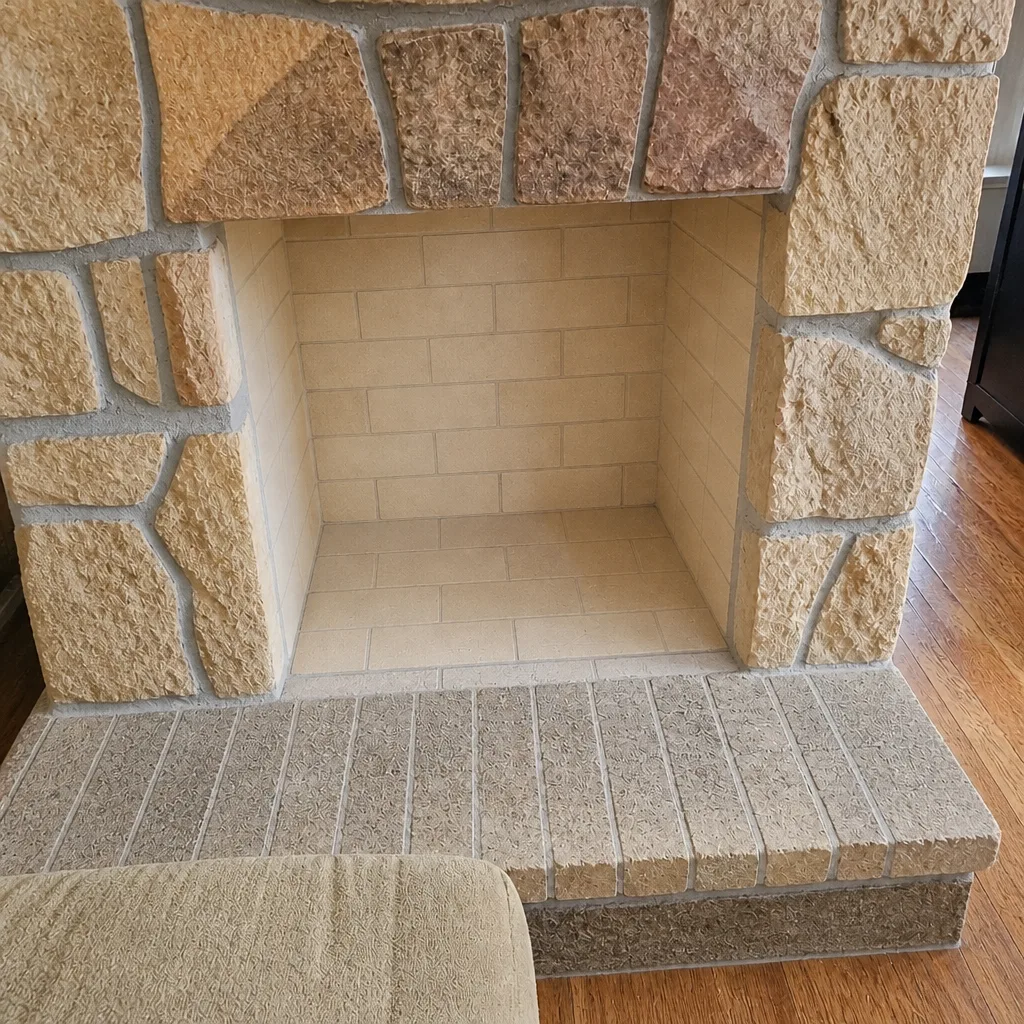
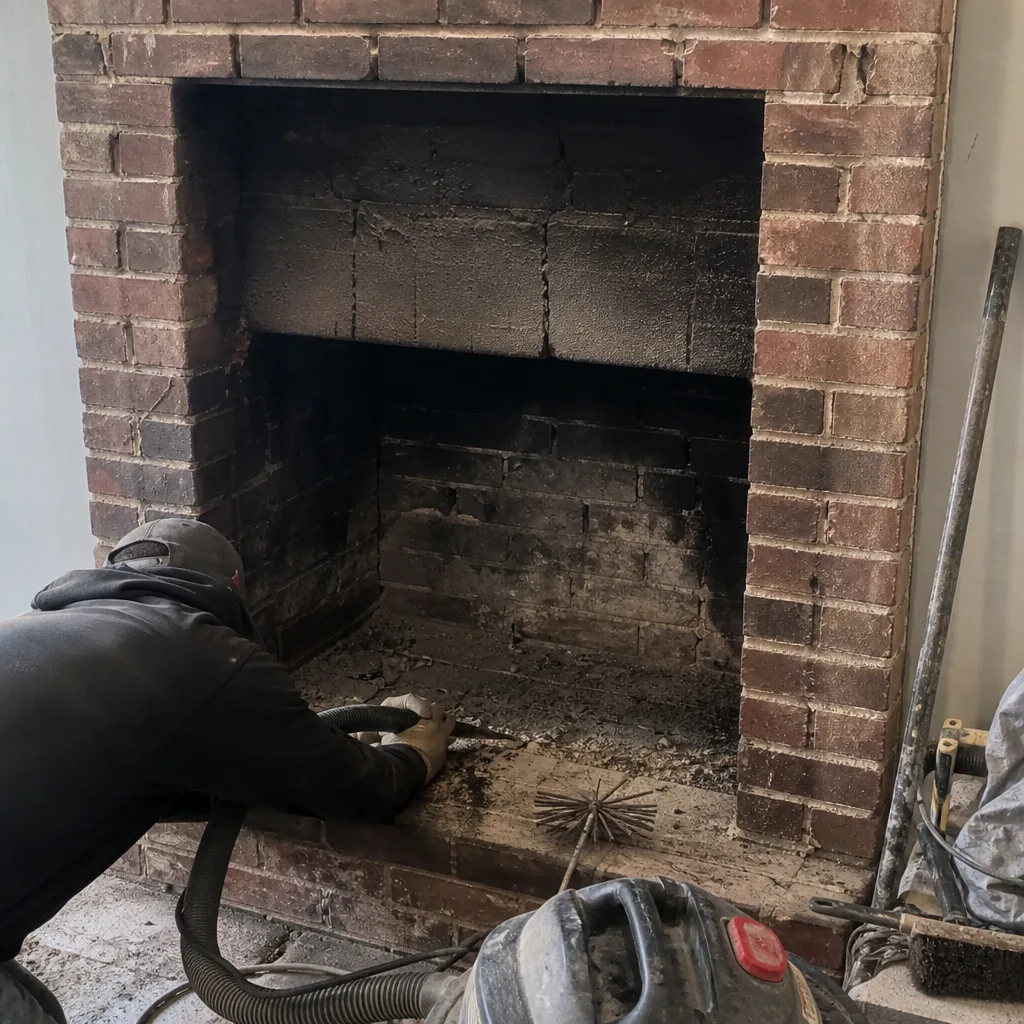
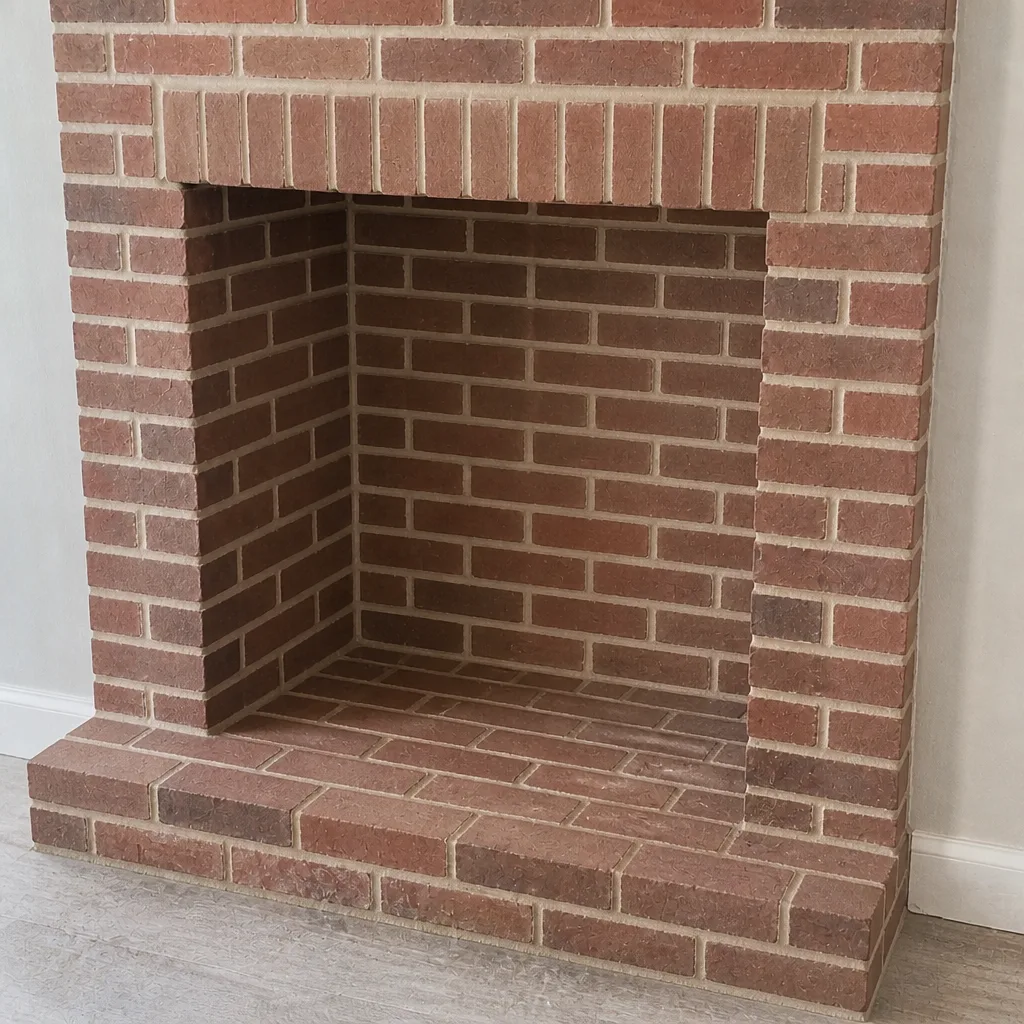
See the difference
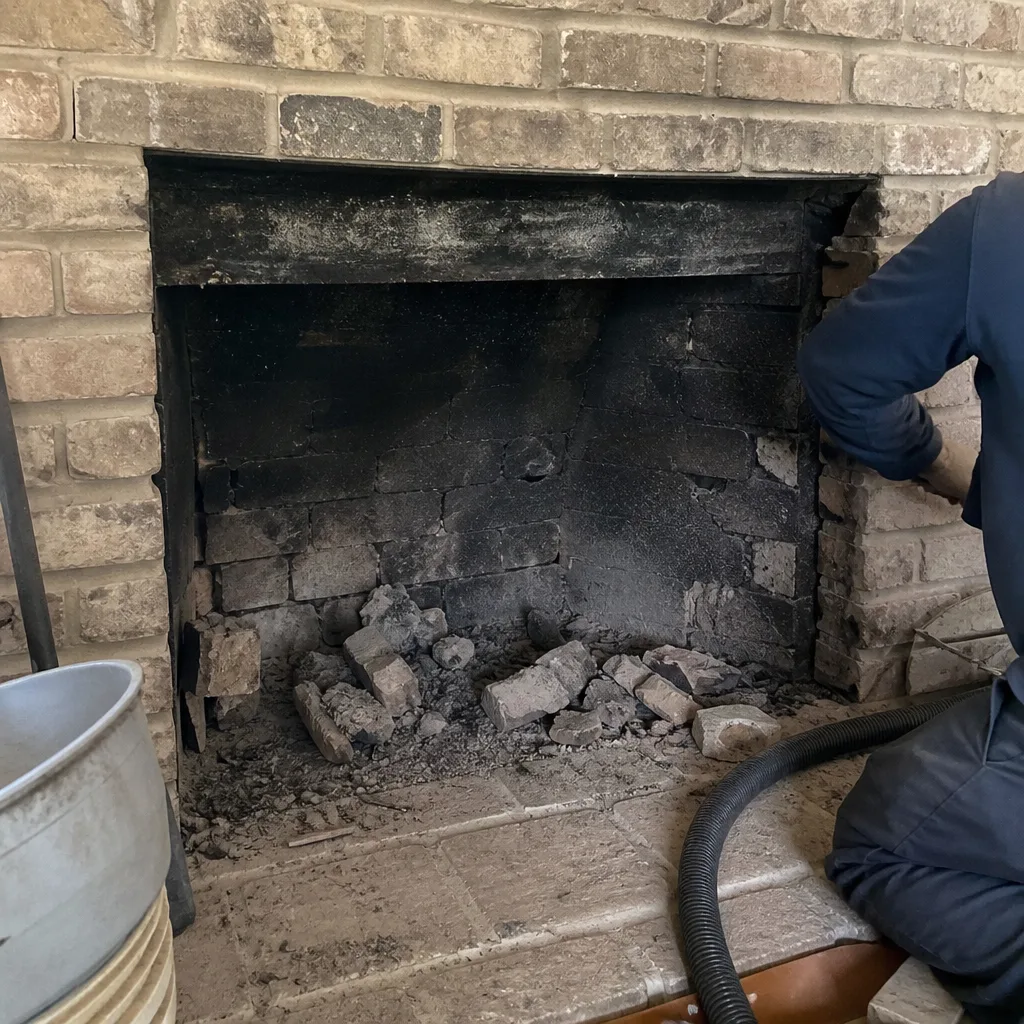 Before
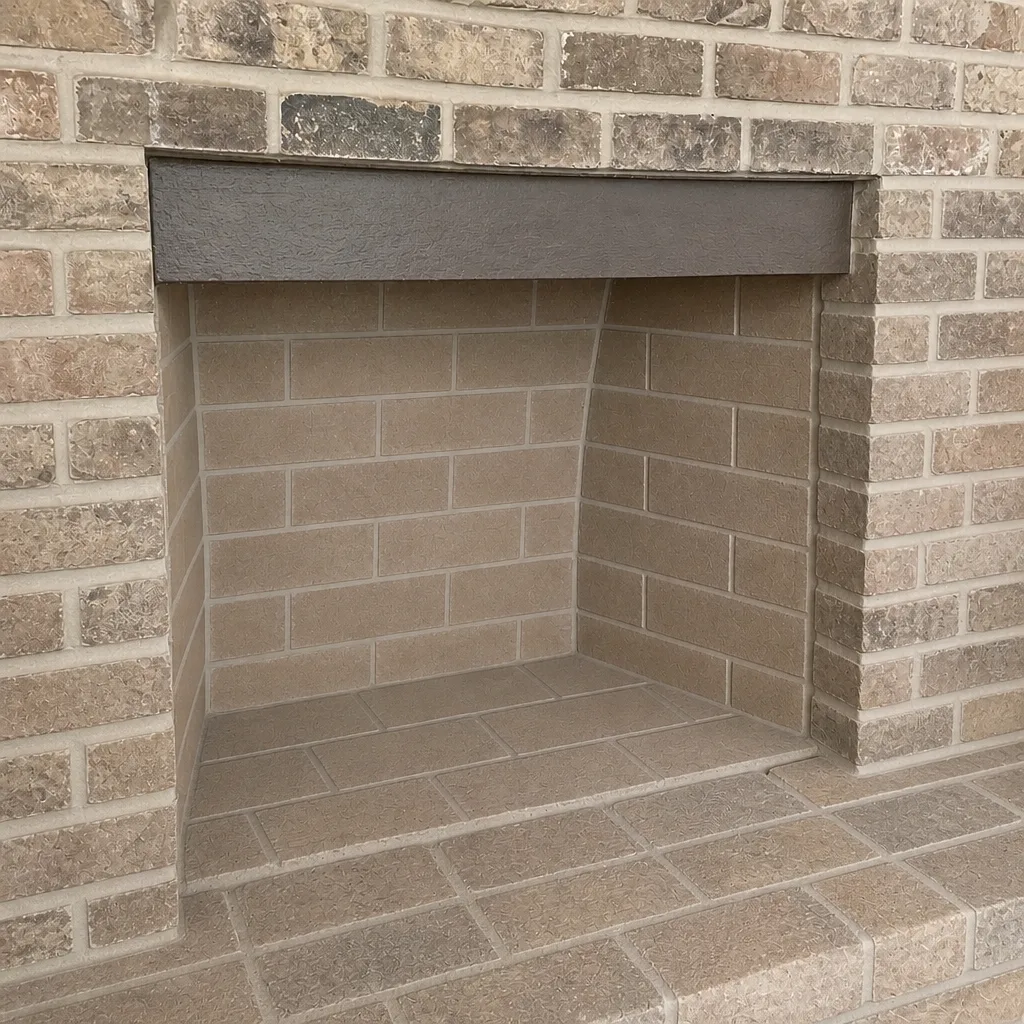 After
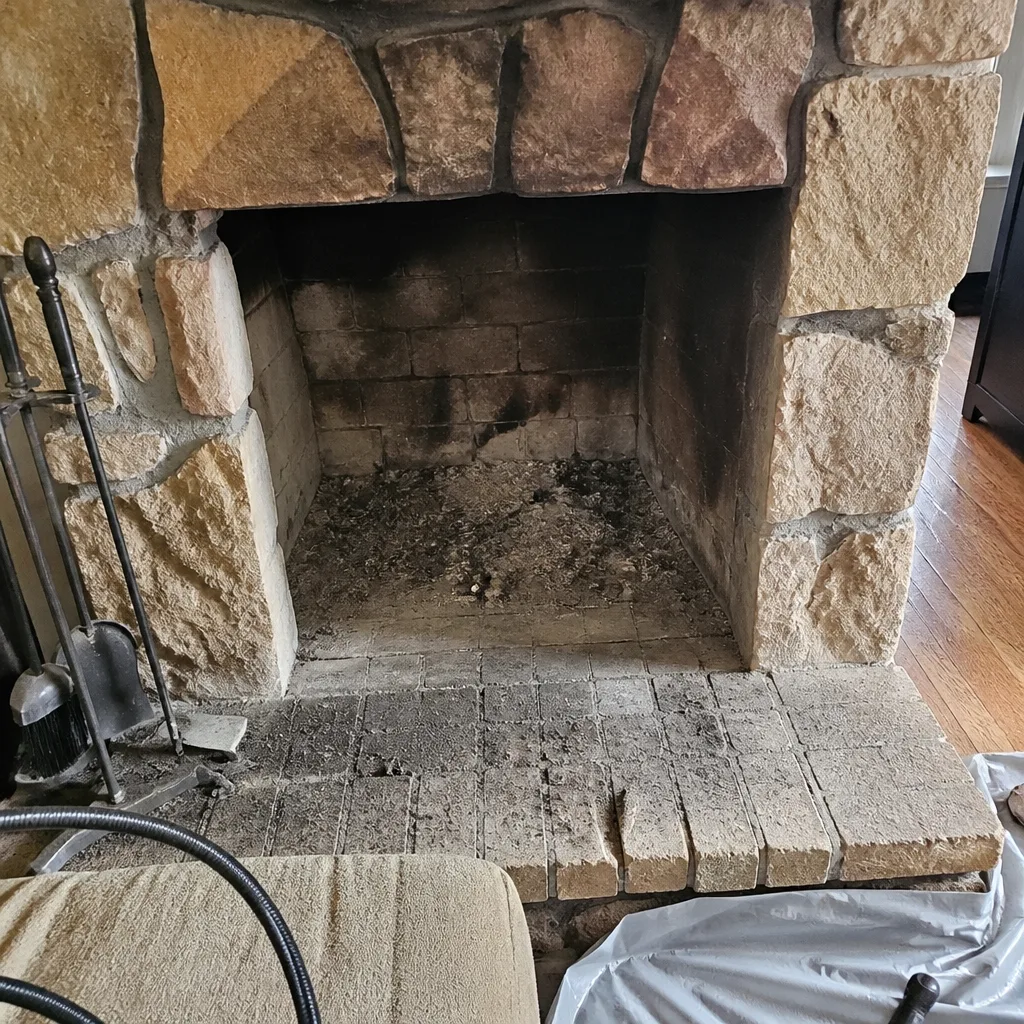 Before
 After
 Before
 After