
Last updated November 24, 2026
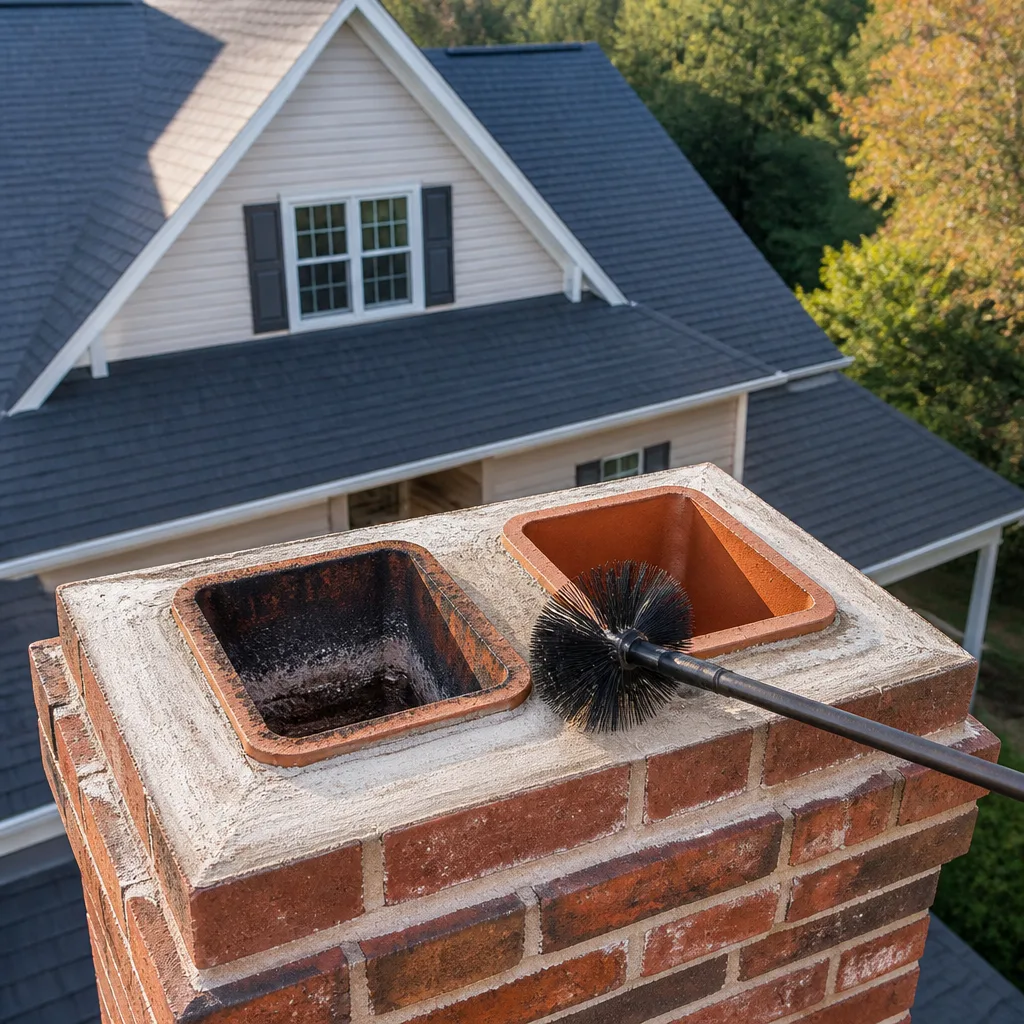 Sweep & inspection
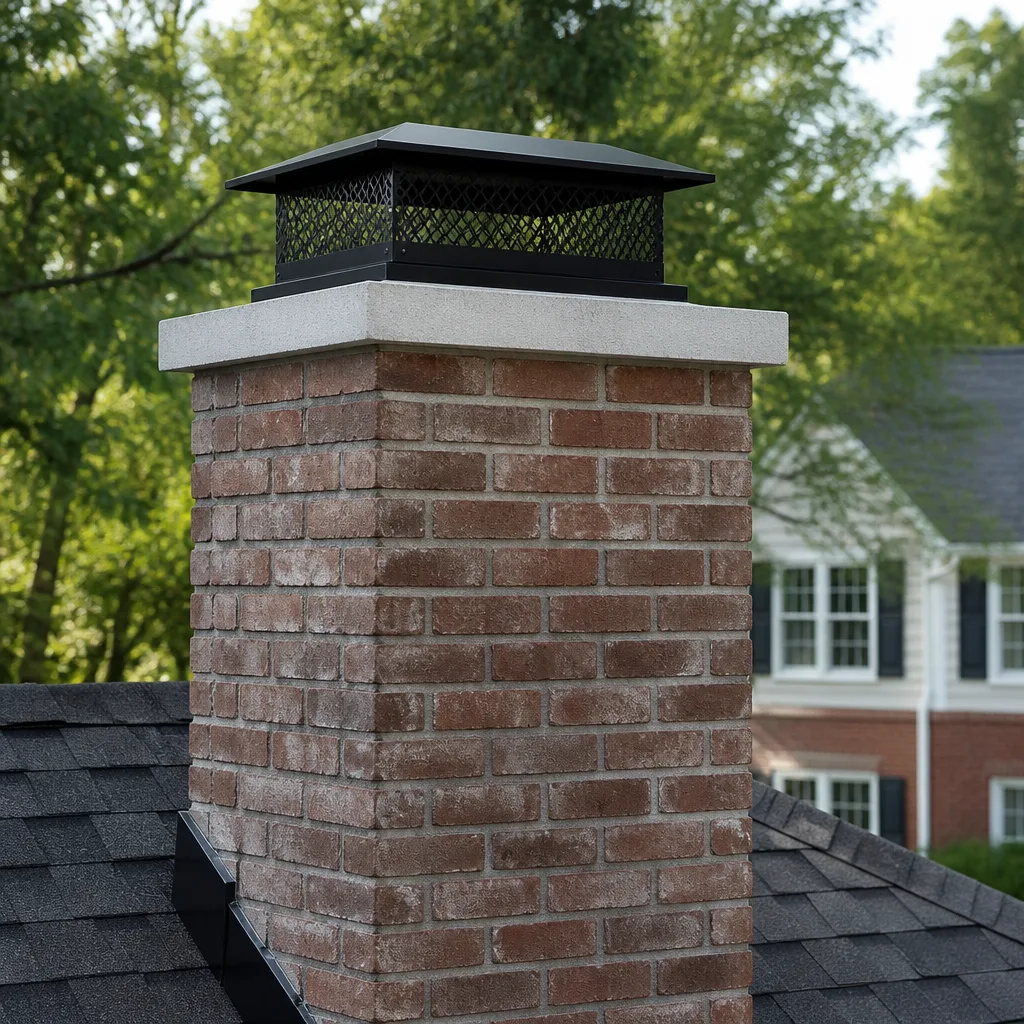 Caps & crowns
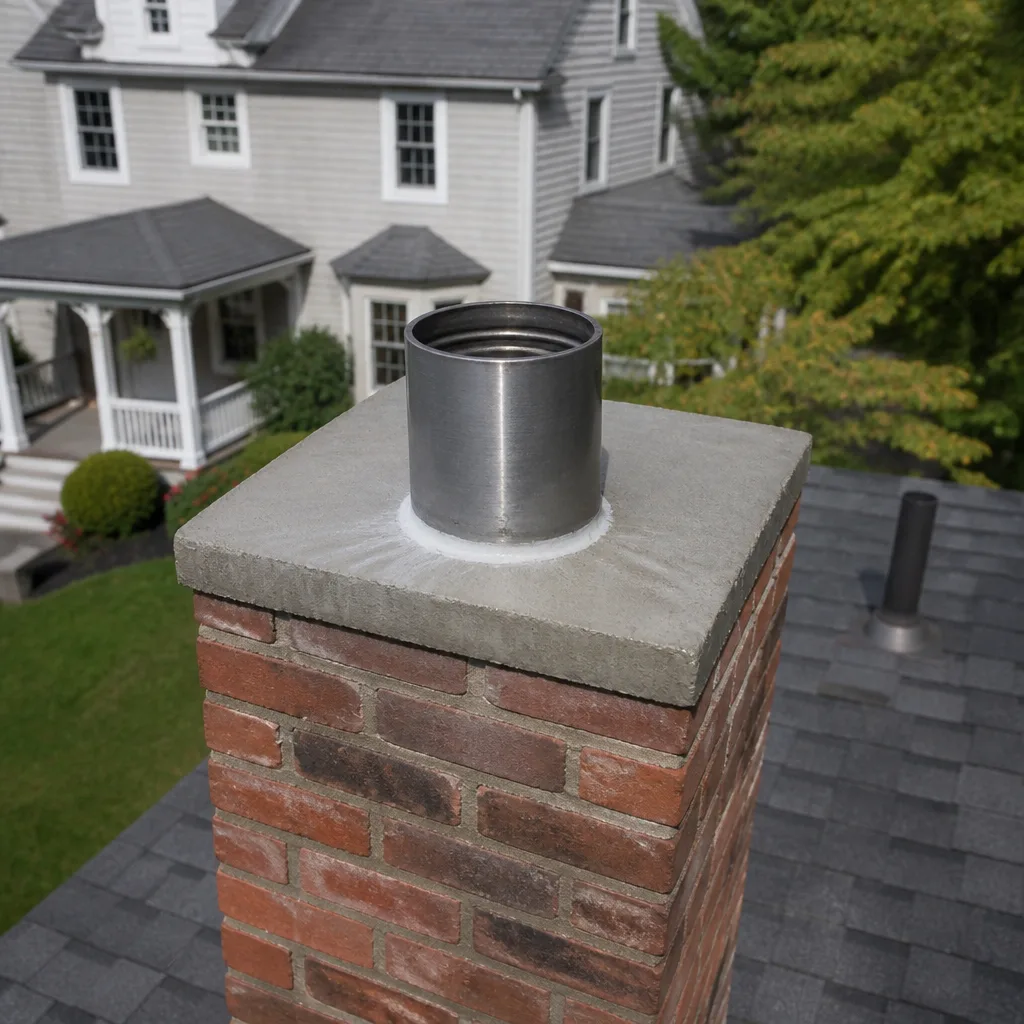 Flue relining
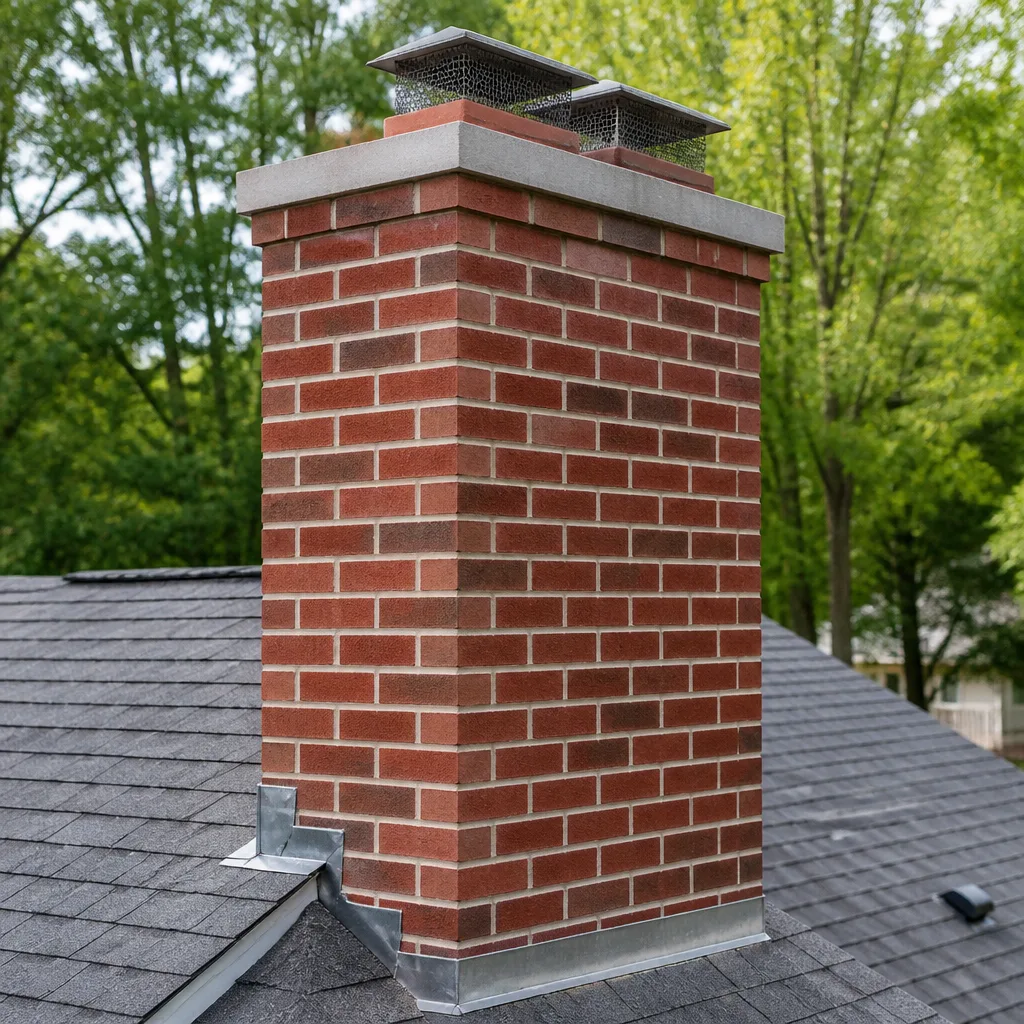 Masonry repair
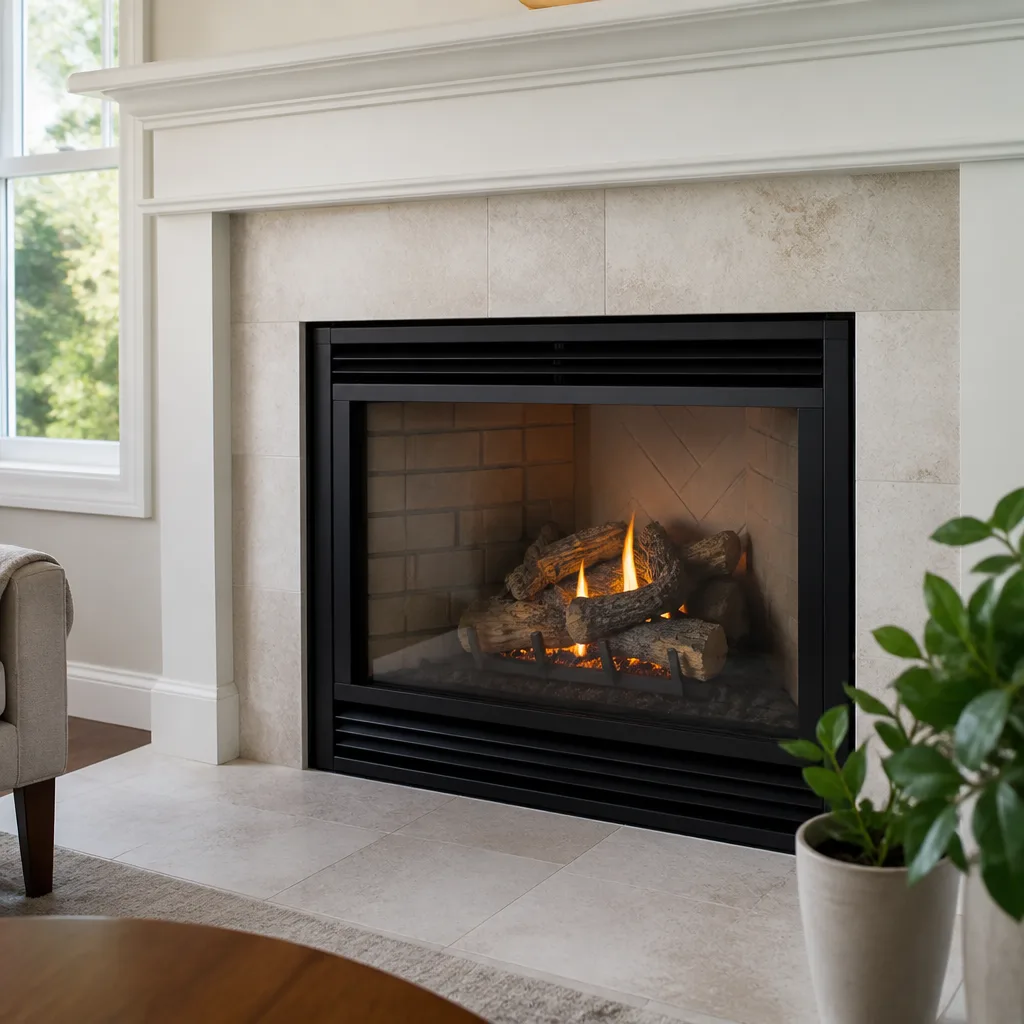 Gas fireplace service
Level 1 sweep and inspection to the NFPA 211 annual standard - flue, crown, cap, and flashing checked and photographed
Chimney sweep logs do not sweep chimneys. They loosen some creosote - which then falls where a brush and vacuum still have to collect it.
Chimney Sweep Maintenance Schedule: What to Do and When
Most chimney advice you’ll read online is built around a single annual sweep. That standard works for a household burning an occasional fire on cold nights, and it quietly fails everyone else. If you burn more than two cords of wood in a season, sweep more often than the calendar suggests. Riverton sits in a valley where winter inversions trap smoke, temperatures swing hard between day and night, and masonry takes a beating from repeated freezing and thawing. A schedule built on real burn habits and local weather keeps your chimney safer than a date circled on the wall. This guide gives you that calendar, month by month, with the tasks you can handle and the ones that need a technician.
Quick Answer
Chimney maintenance in Riverton follows a three-visit rhythm: an inspection and sweep in September before the first fire, a creosote and draft check in January once you’ve burned enough wood to matter, and a cap, crown, and masonry review in April after the freeze-thaw season ends. Between professional visits, you manage the damper, the fireplace gasket, and the firebox. The right interval for your home depends on how much you burn, not on the date.
Styles & brands we work with
- Sweep & inspection
- Caps & crowns
- Flue relining
- Masonry repair
- Gas fireplace service
Table of Contents
- Why Annual Is the Floor, Not the Ceiling
- The Three-Visit Riverton Chimney Calendar
- Burn Frequency Thresholds: When a Mid-Season Sweep Is Due
- Why Spring Is the Right Repair Window in Utah
- Between Visits: Damper, Gasket, and Firebox Tasks
- Fuel Choice and Creosote: What You Burn Shapes Your Schedule
- How to Log Chimney Use So Your Technician Can Help
- Common Mistakes to Avoid
Why Annual Is the Floor, Not the Ceiling
The annual inspection standard was written for average use: a few fires a week through the cold months, one fireplace, wood that’s mostly dry. Plenty of Riverton homes don’t fit that profile. Some burn nightly from November through February. Some heat a whole floor with a wood insert. Some burn mostly pine and cottonwood because that’s what’s available locally. Every one of those habits changes how fast creosote builds inside the flue.
Creosote is the residue left when wood smoke cools against flue walls. It starts as a soft, flaky soot you can brush away and hardens into a glazed, tar-like layer that’s harder to remove and burns hotter when it ignites. The thicker that layer gets, the closer your chimney moves toward a chimney fire. A chimney fire can crack clay tile, warp a metal liner, and let heat reach framing. Carbon monoxide is a separate risk: a blocked or restricted flue sends combustion gases back into the house instead of up and out.
That’s why we treat the annual visit as the minimum, not the ceiling. Our technicians have up to 9 years of experience, and what they look at on a September inspection is not just “does this need cleaning” but “how has this household actually used this chimney.” A family burning three cords a season needs a different interval than a weekend-fire household two streets away. If you want the baseline cleaning done and documented, a chimney sweep is the right first step, but the inspection is what tells you when to come back.
The inspection is half the service
A sweep without an inspection leaves you guessing. We document what we find, send you the report, and tell you plainly when a problem can safely wait until next season. That matters for one reason: most homeowners’ real hesitation is being told they need expensive liner or masonry work they can’t verify. We don’t recommend anything you can’t see for yourself. If the flue is sound, we say so.
The Three-Visit Riverton Chimney Calendar
Three touchpoints carry a wood-burning chimney through a Riverton year. Each one has a job. Missing any of them shifts work onto the next visit and shortens the life of the system.
- September: pre-season inspection and sweep. Before the first fire of the season, we sweep out last year’s creosote, inspect the flue, firebox, damper, cap, and crown, and run a camera check where the flue allows it. You get a written condition report with photos. September is early enough that any repair can be scheduled before the cold sets in.
- January: mid-season creosote and draft check. Once you’ve burned enough wood to build meaningful residue, a mid-season check catches glazed creosote before it thickens and confirms the draft is still pulling. It’s also when we catch a firebox crack or a failing gasket while the fireplace is still in heavy use.
- April: post-season cap, crown, and masonry check. After freeze-thaw cycles have done their work on the chimney’s exterior, we look for spalling brick, cracked mortar joints, a cracked crown, and a damaged or missing cap. Spring is when damage is easiest to see and cheapest to fix before the next heating season.
What each visit includes
- September: full sweep, flue and firebox inspection, camera inspection and photo report where applicable, written findings.
- January: creosote check, draft verification, firebox and gasket review, on-the-spot recommendation on whether a mid-season sweep is due.
- April: exterior masonry review, crown and cap inspection, water-intrusion check, repair recommendation with options.
Homeowners in Riverton with a gas fireplace follow a lighter version of the same rhythm: an annual inspection with a visual flue check, plus a spring look at the cap and crown. Gas chimneys collect less creosote but still need their venting checked and still take water damage at the same points.
The Inspection Sets Your Interval
A September sweep is not the same visit for every house. The report you get at the end of it tells you what your actual schedule should be for the next twelve months. A home with a light, dry-wood burn pattern may be fine back on a yearly cycle. A home burning heavy or burning wet wood may get a recommendation for a January visit and an earlier sweep the following fall. What we never do is hand you a fixed plan before we’ve looked at the flue. The inspection comes first because the interval depends on what it finds.
This is also where the standalone inspection service matters. You can book an inspection without committing to a repair or a sweep on the same visit, which keeps the recommendation honest. If you’re in Riverton and you’ve recently bought an older home and don’t know its history, that inspection is the place to start.
Burn Frequency Thresholds: When a Mid-Season Sweep Is Due
Calendars are a rough guide. Burn volume tells you the truth. You should trigger a mid-season sweep based on how much wood has gone through the firebox, not on a date on the wall. Our rule of thumb: once you’ve burned roughly one cord of wood, or you’re running fires most nights for six to eight weeks, it’s time to check creosote levels. If your flue shows a thick soft layer or any glazing, sweep now rather than waiting for the January visit.
For a Riverton household burning two cords or more per season, that often means two or three professional checks between September and April. That’s not upselling. It’s what the creosote buildup actually requires when there’s more smoke going up the flue per week than the annual standard was designed around.
Signs a mid-season sweep can’t wait
- Smoke rolling into the room when you open the damper, or a fire that struggles to draw.
- A strong, sharp smell of creosote in the room, even when the fireplace is cold.
- A dropping draft that used to be strong.
- Visible black, glazed buildup on the flue walls when you look up with a light.
- The firebox or damper showing soot flakes falling back down.
Any of these is a reason to call rather than tough it out. The safety risk isn’t abstract. A restricted flue sends carbon monoxide into the living space, and glazed creosote near ignition temperatures is a chimney fire waiting for the next hot burn. We’d rather check a flue in January and find nothing wrong than hear about a fire in February.
Why Spring Is the Right Repair Window in Utah
Chimney masonry ages on a weather clock, and in this part of Utah the clock runs from the first hard freeze to the last thaw. Water soaks into brick and mortar, freezes overnight, expands, and pushes the masonry apart. The next thaw lets more water in. Repeat that cycle across a winter and you get spalling: brick faces flaking off, mortar joints crumbling, a crown cracking at the edges. The damage is cumulative and it accelerates once it starts.
April and May are when that damage shows most clearly. It’s also when repairs go in under the best conditions: masonry work needs moderate temperatures to cure properly, and a crown repair done in spring has the whole summer to set before the next freeze. Wait until fall and you’re racing the weather. Skip it entirely and the water that gets in next winter does more damage than the last one did.
The two most common points of water intrusion are the cap and the crown. A properly fitted cap keeps rain, snow, birds, and debris out of the flue. A cracked crown lets water drop straight into the masonry core. Cap and crown work isn’t cosmetic. It’s the first line of defense against water damage that destroys a chimney from the inside out. We stock and fit Gelco, Olympia, and Famco caps and covers, which lets us size and match the material to your actual chimney instead of pulling something off a hardware store shelf that nearly fits.
Spring repair checklist
- Walk the outside of the chimney after the last freeze and look for flaking brick, white staining, or missing mortar.
- Check the crown with binoculars for cracks at the edges or a crown that’s pulling away from the flue.
- Confirm the cap is intact, correctly sized, and not resting loose on the flue.
- Book the spring masonry review so any repair is scheduled before the next heating season.
Chimney repair in spring is not an emergency. Chimney repair in October, with a cold front coming, sometimes is. If a crack or a spalled joint is caught in April, most repairs can be planned calmly. If a structural repair is needed, we handle it through chimney repair rather than handing you off to another trade.
Between Visits: Damper, Gasket, and Firebox Tasks
Some maintenance belongs in your hands. These are the tasks homeowners can manage between professional visits without opening anything that needs a trained eye.
Damper
Open and close the damper with the fireplace cold, once a month through the burn season. It should move smoothly and seat fully. If it’s stiff, a small amount of graphite on the moving parts helps. If it won’t open all the way or won’t close tight, that’s a technician call, since a damper that stays partly open leaks heat up the flue all winter and a damper that sticks open during a fire lets too much air through.
Gasket
On a fireplace insert or a wood stove, the door gasket is what keeps the burn controlled. Run a hand around the closed door: if you feel air moving, the gasket is failing. A dollar bill test works too: close the door on it and try to pull it out. If it slides out with no drag, the seal is weak. A worn gasket makes the unit burn hotter than intended, which wastes wood and raises flue temperatures.
Firebox
Clear ash regularly and keep the firebox free of debris. Don’t burn trash, wrapping paper, or treated lumber. Inspect the firebox walls for hairline cracks in the masonry or the metal liner, and note any change in their width. If a crack widens between checks, stop using the fireplace and call. If the firebox needs work, fireplace repair covers it.
Creosote check (visual only)
With a strong light and the damper open, look up the flue from the firebox. You’re checking for visible buildup, not cleaning it. Never attempt to knock creosote loose from the firebox or by opening the chimney from the roof yourself. A chimney fire and carbon monoxide risk both turn on the condition of the flue, and the work belongs with a trained technician. Keep to what you can see and leave the rest.
Fuel Choice and Creosote: What You Burn Shapes Your Schedule
Creosote buildup is not a fixed fact of the chimney; it’s a response to how the fire burns. Wet wood is the biggest driver. Unseasoned wood burns cool, and a cool fire produces more creosote and less heat. Seasoned wood split, stacked, and dried for a full year before use burns hot with less residue. If you’re buying wood around Riverton, ask how long it’s been split and stacked, and check a fresh split for moisture with a meter before you commit to a winter’s supply.
Wood type matters for the same reason. Softwoods like pine burn hot and fast and throw more creosote than dense hardwoods. Cottonwood, which is common locally, burns fast and leaves more residue than denser wood. If your fuel is mostly softwood, plan on a shorter interval between sweeps than your neighbor burning hardwood. It’s one of the reasons a one-size-fits-all annual sweep under-serves a lot of Riverton homes.
Never burn trash, cardboard, or treated lumber. All of them produce residues that damage the flue or clog the cap. A fireplace is built for clean, dry firewood; keep it that way and the chimney protects you the way it’s designed to.
How to Log Chimney Use So Your Technician Can Help
A simple log changes the quality of your service interval recommendation, and it takes less effort than you’d think. Most chimneys are under-maintained because the technician walks in with no idea how the chimney has actually been used. A logbook solves that.
- Note each burn session: the date, roughly how many hours you burned, and what kind of wood.
- Track the wood supply: how much was delivered, whether it was seasoned, and when it was stacked.
- Record any behavior change: smoke into the room, a weak draft, a new smell, or a damper that suddenly sticks.
- Note the last professional service: date, what was done, and any recommended follow-up.
Bring the log to the September inspection. If we can see that you burned two and a half cords last season and switched a portion of your fuel to softwood, we can set a specific interval for your home instead of a generic one. That’s how a technician turns a logbook into a useful safety plan. Our inspection service is available as a standalone, so you can bring the log to a documented condition report without being pressured into a repair on the same visit.
If your home already needs liner work and you want to understand where a repair fits in the calendar, the full scope of what we cover is on our Chimney Sweep Riverton page. For a chimney that’s still structurally sound but has a deteriorating flue interior, HeatShield ceramic resurfacing restores the liner without the cost of a full reline. When the flue needs replacing outright, we work with DuraFlex flex liner systems. We tell you which one the flue actually needs after looking at it, not before.
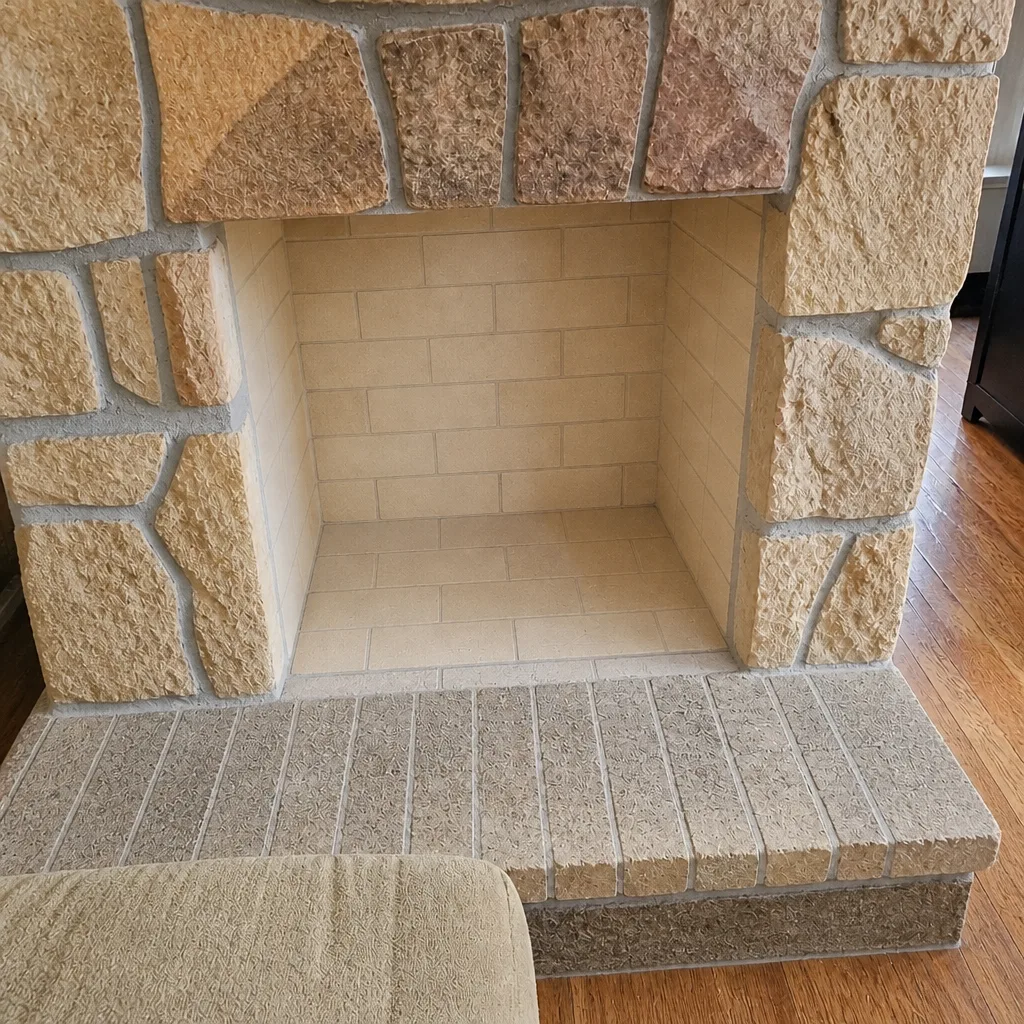
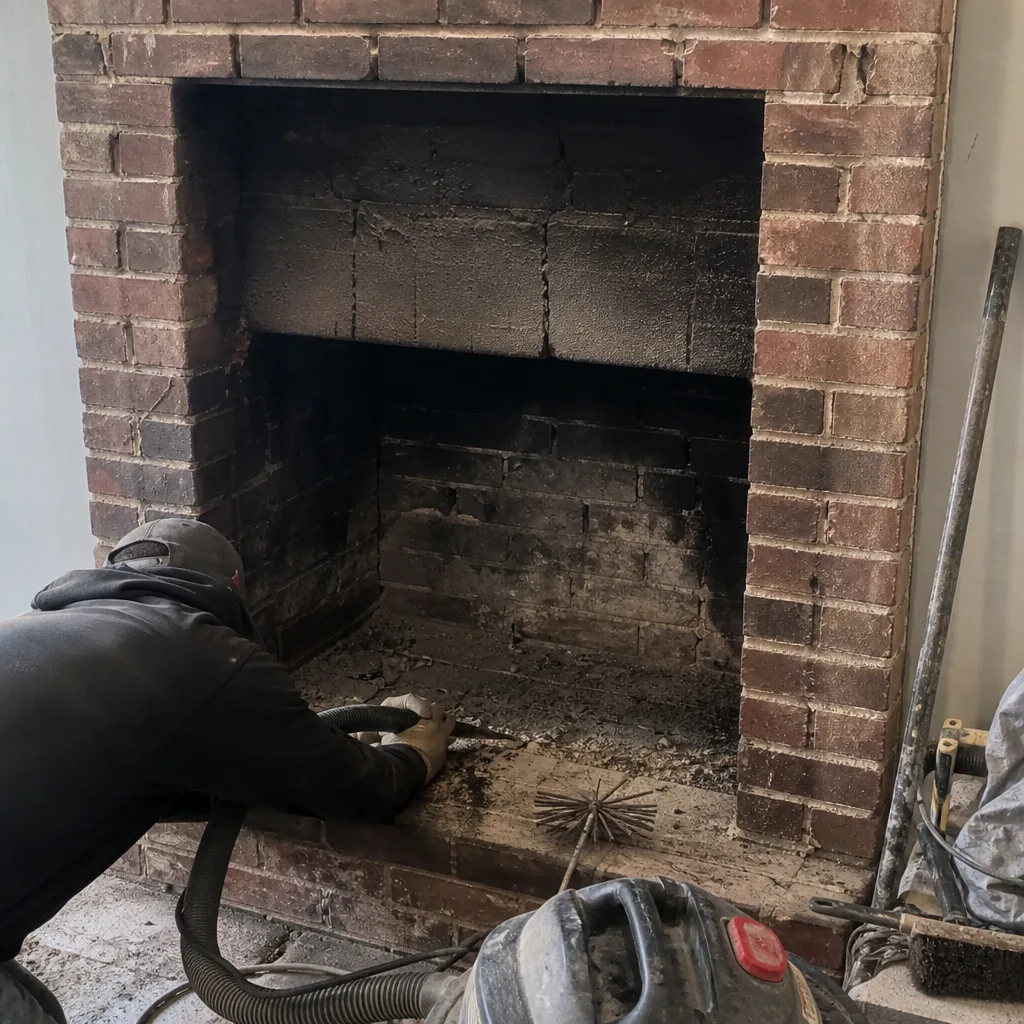
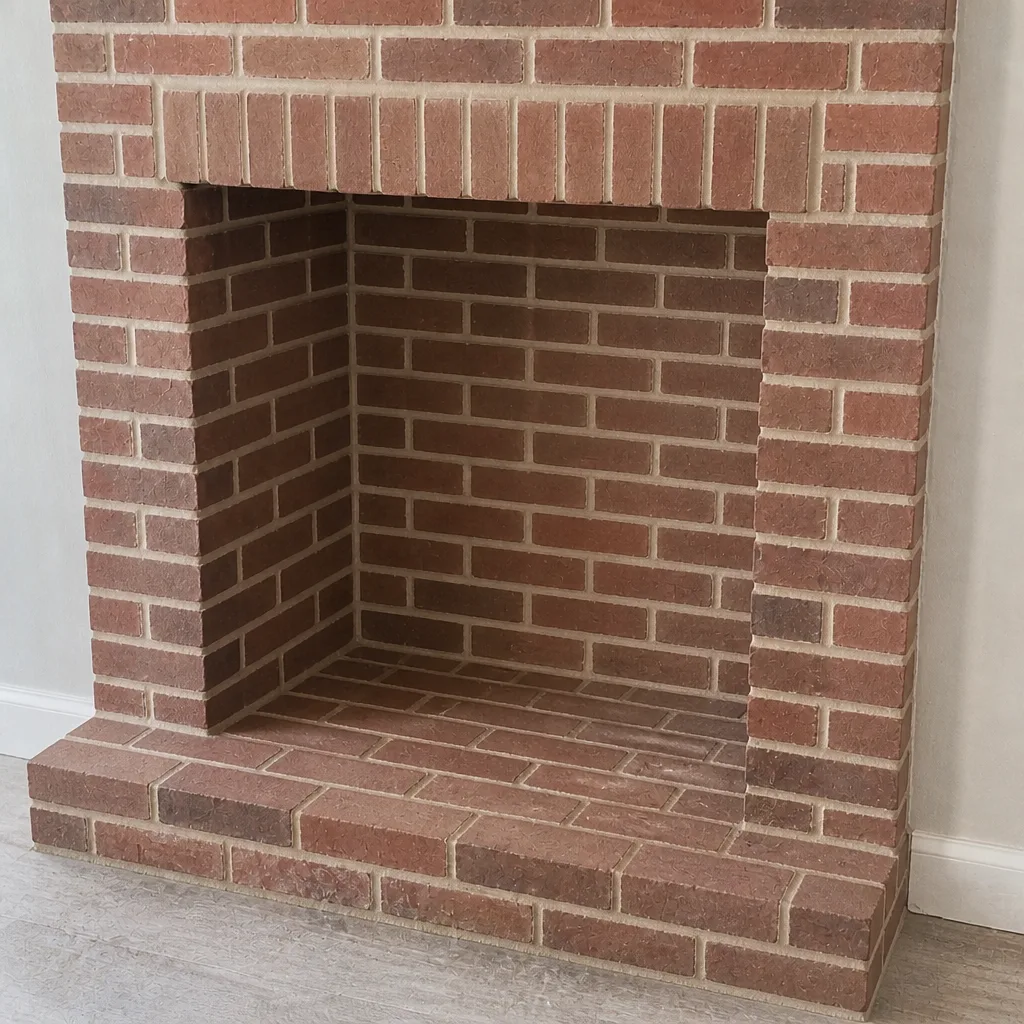
See the difference
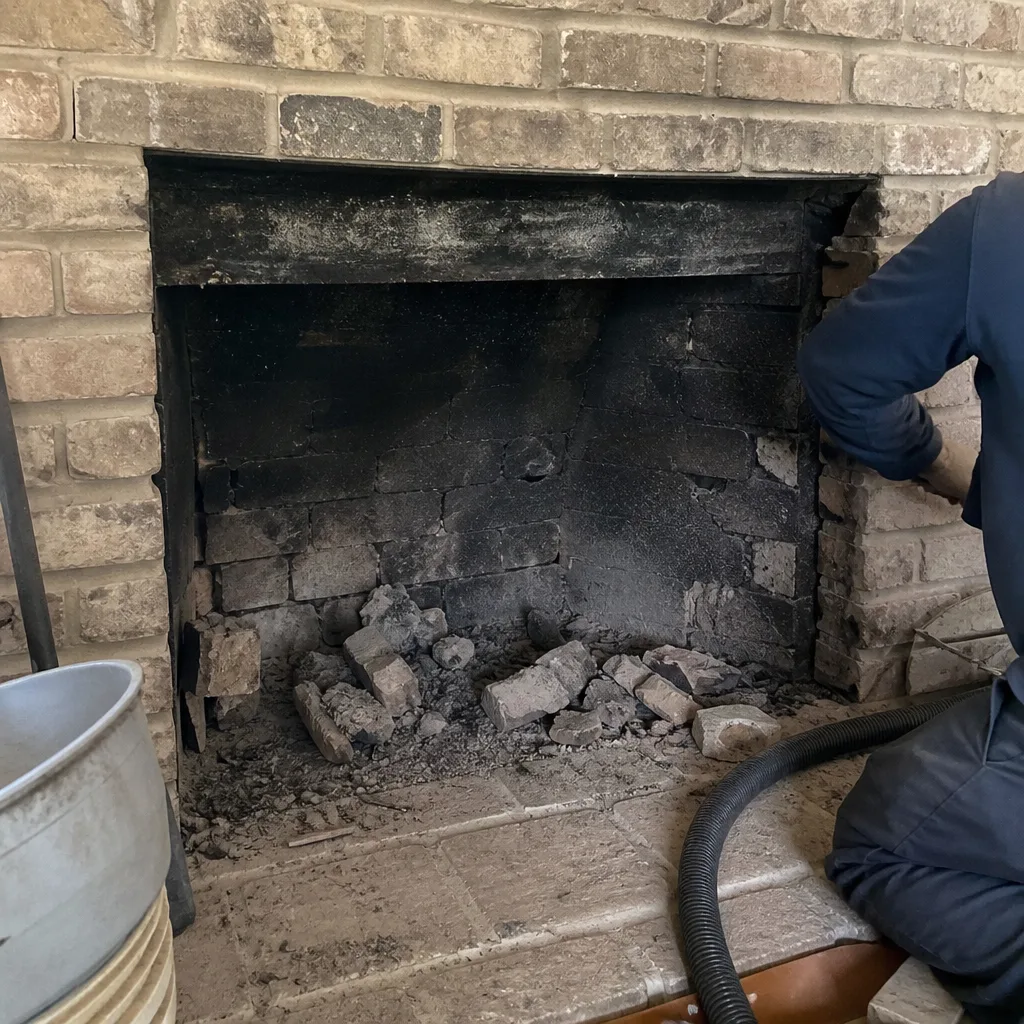 Before
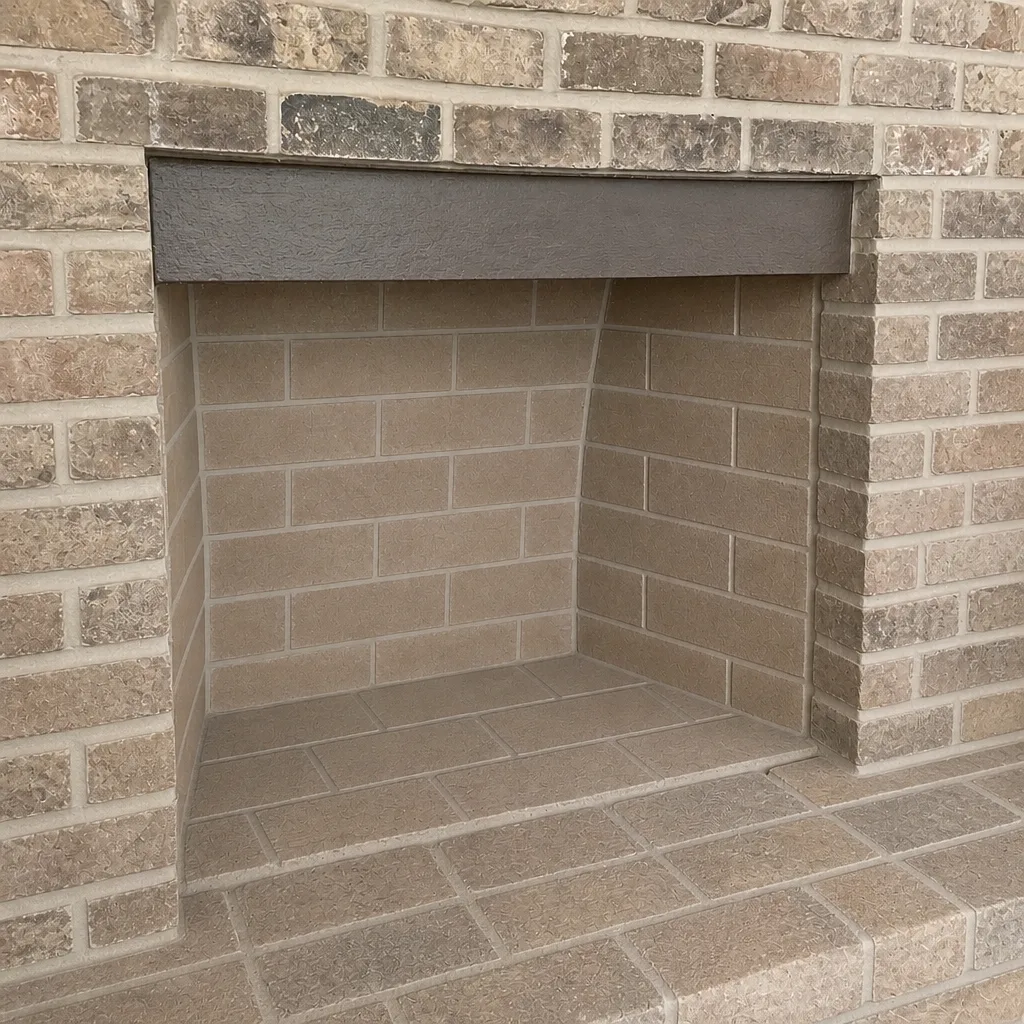 After
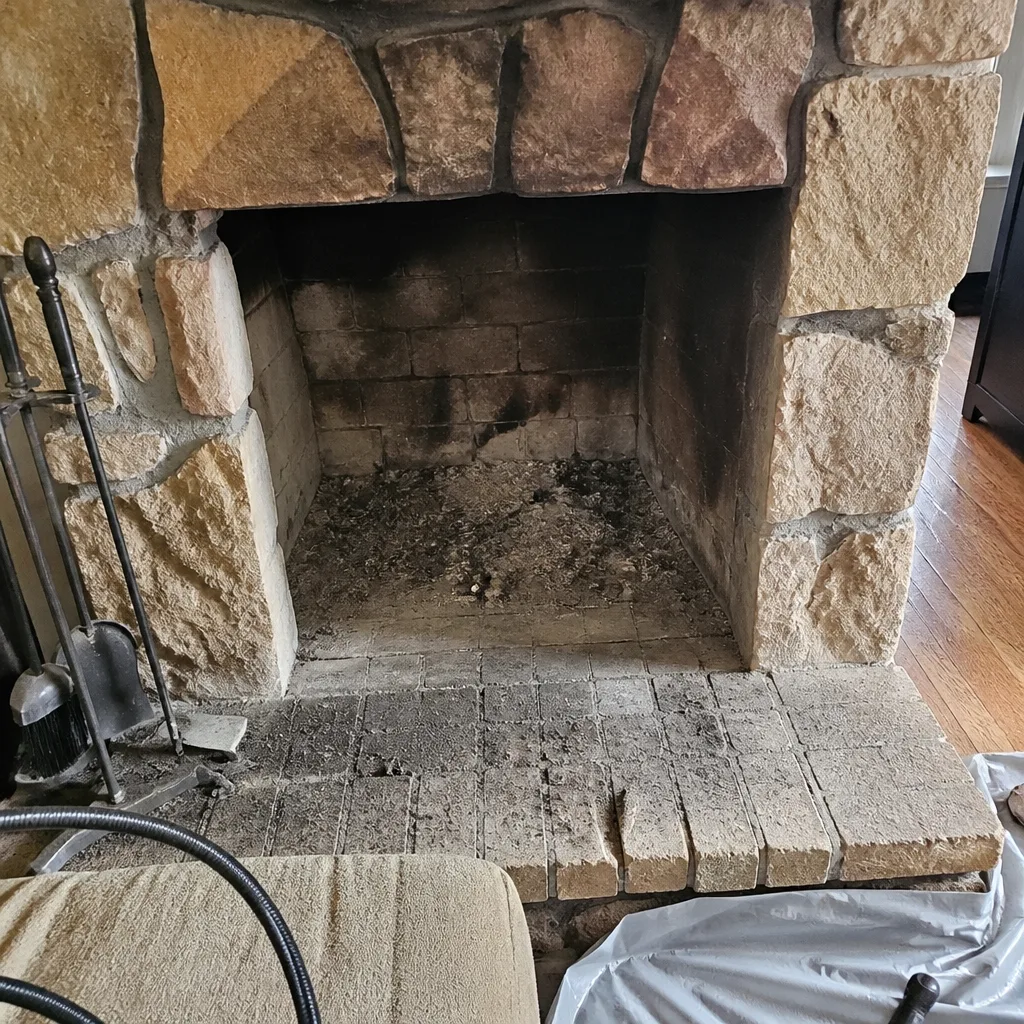 Before
 After
 Before
 After
Common Mistakes to Avoid
- Treating the annual sweep as the whole schedule. A sweep removes last year’s creosote; it doesn’t tell you your interval. Book the inspection every year and let it set the pacing for the rest of the season.
- Waiting for a problem before you schedule. A restricted draft or a chimney fire is the end result of deferred maintenance, not the start of it. By the time the smoke rolls in, the flue’s condition has been building for months.
- Skipping the spring masonry check. In Riverton’s freeze-thaw cycle, exterior damage is easiest to find in April and cheapest to fix before the next winter. Wait until fall and the repair window gets tight.
- Burning wet wood to stretch a supply. Unseasoned wood builds creosote faster than dry wood and heats less. You end up with a dirtier flue and a shorter burn season for the same money.
- Cleaning or opening the flue yourself. A chimney fire and carbon monoxide are not worth the risk of a homeowner going up the flue. Leave the working end of the chimney to a trained technician.
- Ignoring the cap because it “looks fine.” A loose or wrongly sized cap is a water-intrusion point. Check it in spring and have it corrected if it’s failing.
- Not telling the technician how you actually burn. A window into your burn habits, fuel type, and any behavior changes is what turns a routine visit into a real recommendation.
When to Call a Professional
Call a professional before the problem gets louder, not after. Scenarios that warrant a call: smoke or a sharp creosote smell rolling into the room, a fire that won’t draw, a visible widening crack in the firebox, a damper that won’t seat, a fireplace you’ve never had inspected, or a chimney you’ve recently bought with a house and don’t know the history of. A spring masonry review is also worth booking if you see flaking brick, a stained crown, or a loose cap. Chimney Sweep Riverton offers free estimates in Riverton and works from a documented condition report, so call (833) 468-5704 to book. We answer 24/7. Fast dispatch from 7am to 7pm, Sunday through Friday, and closed on Saturday.
Frequently Asked Questions
Most homes burning occasional fires should be swept once a year, but two or more cords a season typically calls for a mid-season check as well. The right interval depends on your burn volume and fuel, not just the calendar. Call (833) 468-5704 for an exact quote on a sweep and inspection, because the written estimate sets the final price.
Not always, and not without evidence. A camera inspection tells us whether the flue is intact, deteriorating, or damaged. When the liner interior is compromised but the structure is sound, HeatShield ceramic resurfacing can restore it. When it’s failed, a DuraFlex flex liner is the right path. We’ll show you what we saw and tell you honestly what the flue needs. Call (833) 468-5704 for a free estimate.
Skipping maintenance lets creosote thicken and lets small masonry problems grow into structural ones. Creosote buildup raises chimney fire risk, and water intrusion at the cap and crown damages brick and mortar from the inside. The next visit usually costs more than a scheduled one would have. Call (833) 468-5704 to get back on schedule.
Yes. Even light use builds some creosote and the cap and crown take weather damage regardless of burn volume. An annual inspection is what catches those problems before they become repairs. The inspection report documents what we find, and we tell you when work can safely wait. Call (833) 468-5704 to book.
You can manage the firebox, the damper, and the gasket, but the flue is a different matter. Brushing or opening the flue yourself risks a chimney fire or carbon monoxide exposure. A trained technician is the right person for the working end of the chimney. Call (833) 468-5704 for a free estimate on a sweep and inspection.
Spring, after the last freeze, is the right window. Masonry cures best in moderate temperatures and the repair gets the whole summer to set before the next winter. In Riverton, catching a repair in April or May means it goes in calmly rather than racing a cold front in October. Call (833) 468-5704 for a free estimate.
The Bottom Line
The annual sweep is a baseline, not a plan. A Riverton chimney needs three touchpoints a year: September inspection and sweep, a January creosote and draft check, and an April cap, crown, and masonry review. Between visits you manage the damper, gasket, and firebox. Your burn volume, fuel type, and a written usage log set the interval, not the date. Spring is when freeze-thaw damage is easiest to catch and cheapest to fix. And when something changes, call rather than waiting on the annual. Call (833) 468-5704 for a free estimate, and we’ll document what we find. We answer 24/7. Fast dispatch from 7am to 7pm, Sunday through Friday, and closed on Saturday.
Written by the team at Chimney Sweep Riverton.