
Last updated November 24, 2026
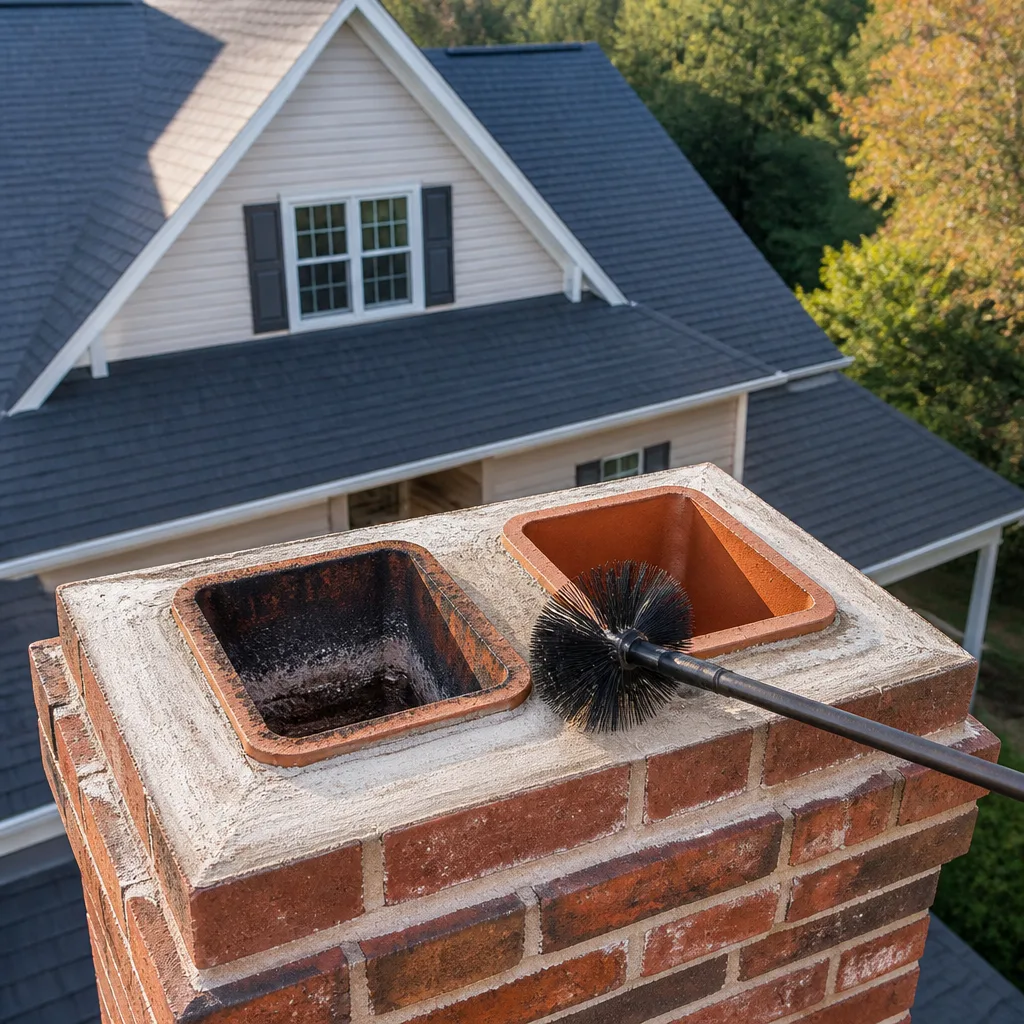 Sweep & inspection
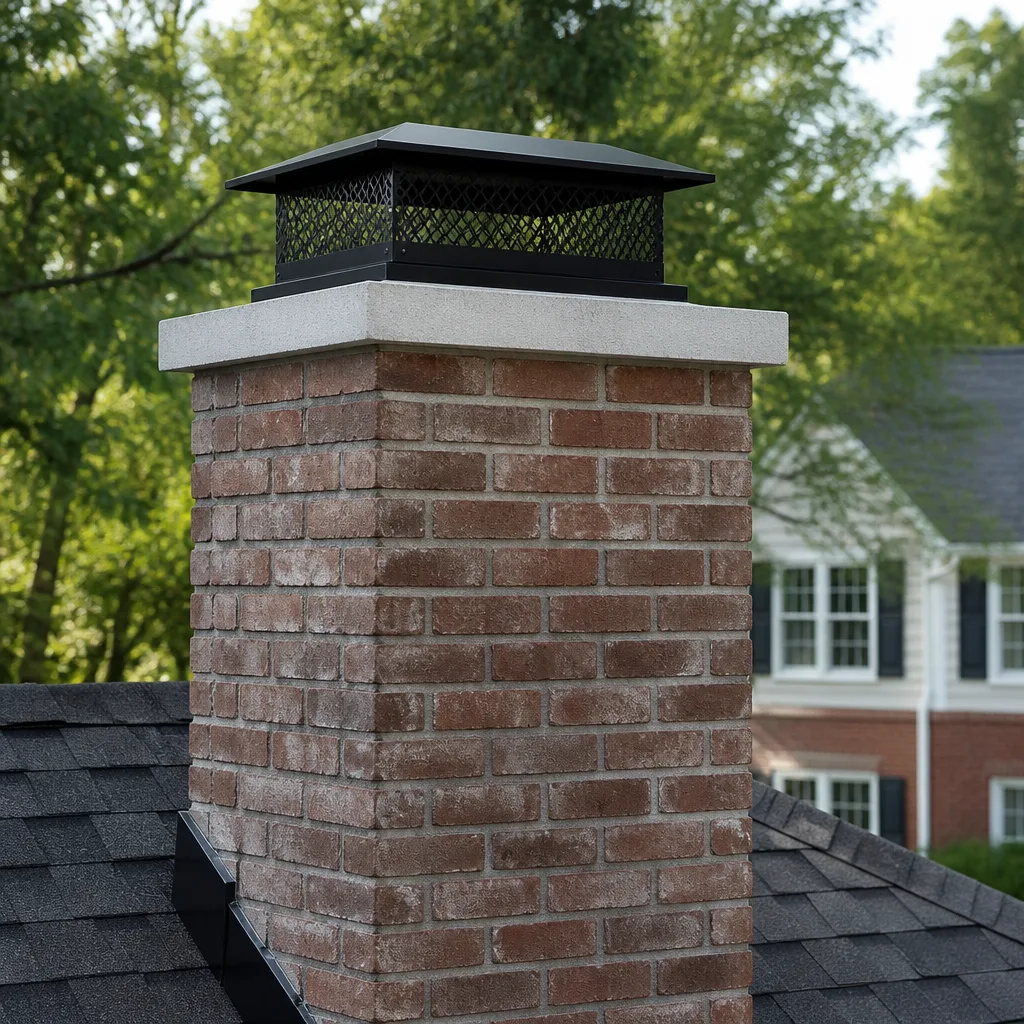 Caps & crowns
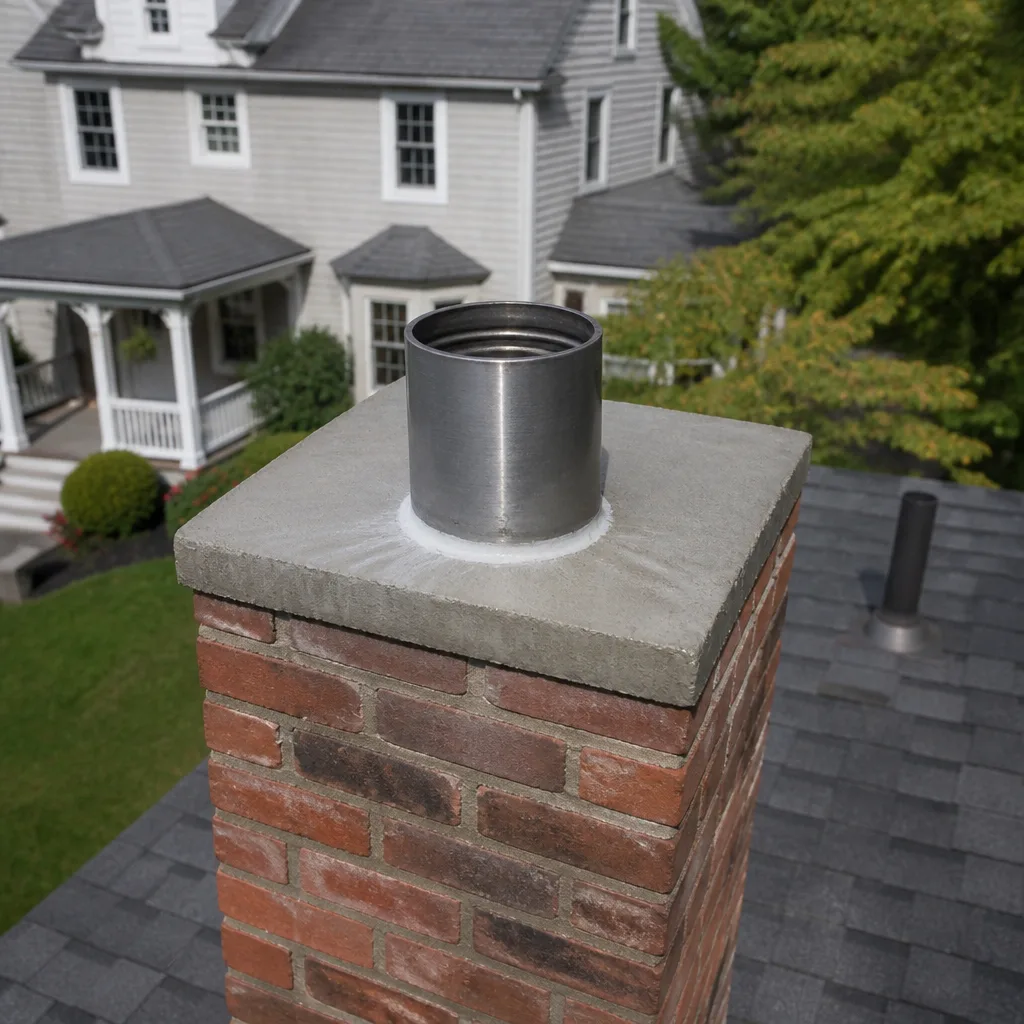 Flue relining
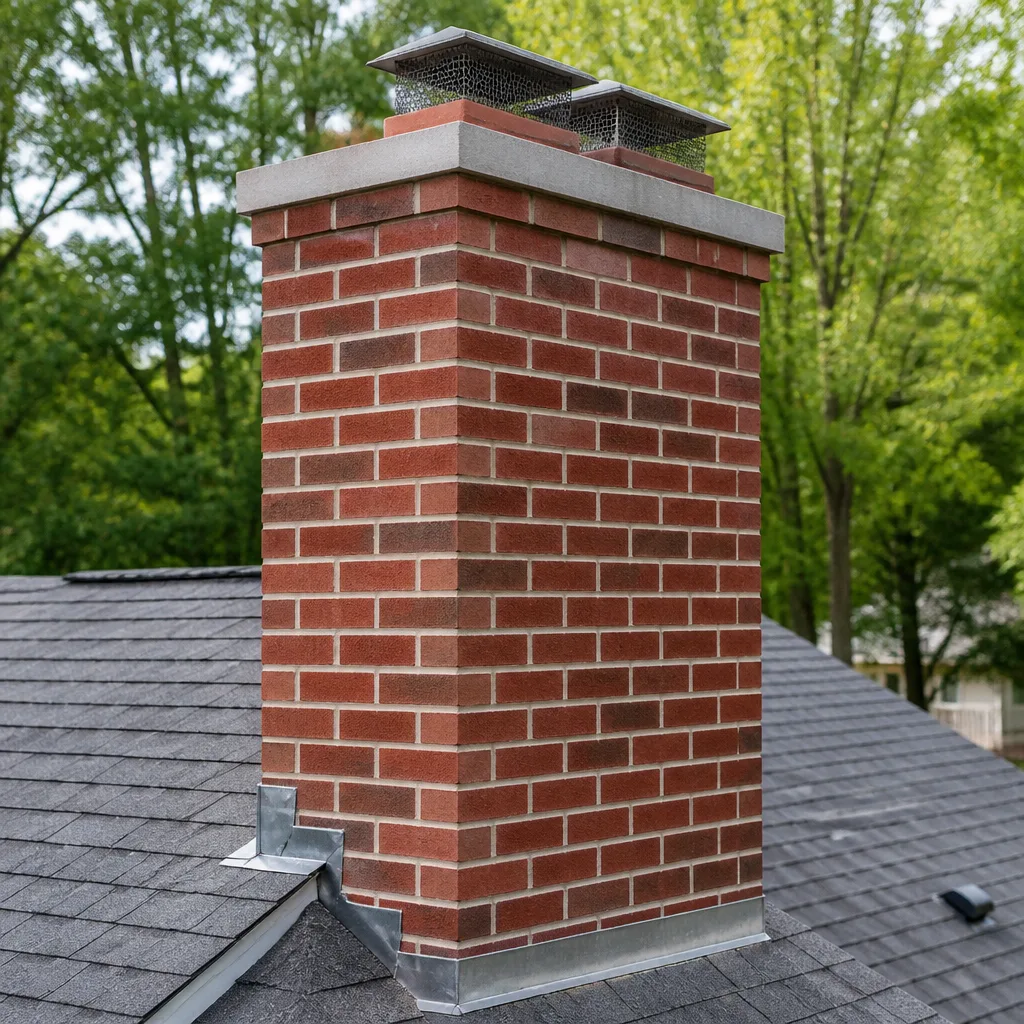 Masonry repair
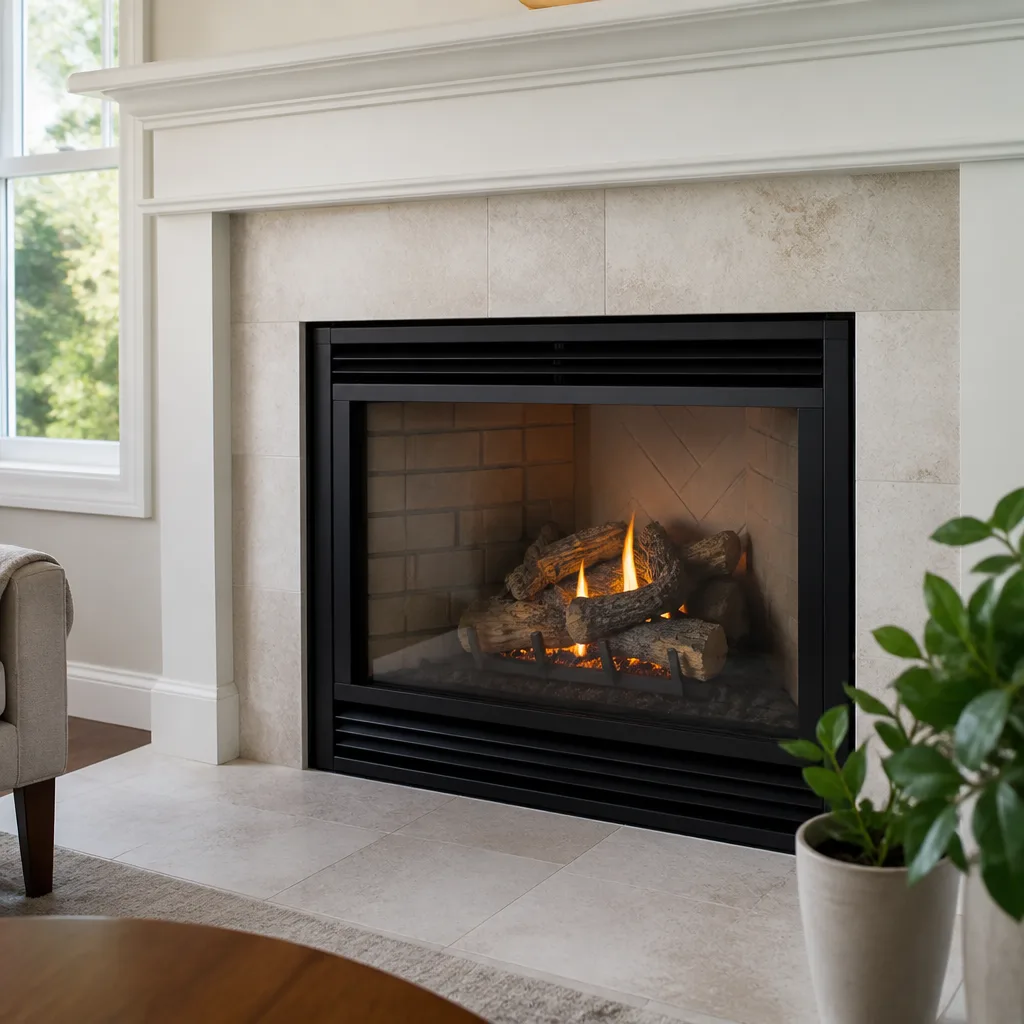 Gas fireplace service
Level 1 sweep and inspection to the NFPA 211 annual standard - flue, crown, cap, and flashing checked and photographed
Chimney sweep logs do not sweep chimneys. They loosen some creosote - which then falls where a brush and vacuum still have to collect it.
How to Hire a Chimney Cleaning Contractor in Riverton: A Step-by-Step Guide
CSIA certification is the floor, not the ceiling. That’s the part most homeowners get wrong. A certified sweep who doesn’t carry liability insurance and can’t hand you a written inspection report after the job is still a liability risk sitting on top of your house. Chimney work is different from hiring a plumber or an electrician because the work happens inside a vertical shaft you’ll probably never look down. Bad work is easy to hide in a flue. This guide gives you a filtering process for Riverton homeowners: the credentials to actually verify, what a real estimate includes, how to read a report, and why the lowest bid in chimney work tends to cost more by the second season.
Styles & brands we work with
- Sweep & inspection
- Caps & crowns
- Flue relining
- Masonry repair
- Gas fireplace service
Quick Answer
To hire a chimney cleaning contractor in Riverton, verify four things before you book: current CSIA certification you can look up, an active Utah business license, general liability insurance, and workers’ compensation coverage. Then insist on a written estimate that follows an in-person assessment or a camera scan, and a written report after the work is done. Skip any of those and you’re gambling on work you can’t inspect yourself. A chimney sweep backed by real documentation is what you’re actually shopping for, not just the lowest number on the phone.
Table of Contents
- Why chimney hiring is harder to vet than other trades
- The credentials to verify before you book
- General liability vs. workers’ comp: the distinction that matters
- What a legitimate estimate includes (and red flags)
- Questions that reveal whether they can finish the job
- How to read a post-service report
- Why the lowest bid costs more by season two
- Common mistakes to avoid
- When to call a professional
- Frequently asked questions
Why Chimney Hiring Is Harder to Vet Than Other Trades
You can watch a plumber sweat a joint. You can see a roofer lay shingles. Chimney work disappears the moment the technician climbs down. The flue interior, the smoke chamber, the crown, the flashing at the roofline: most of it is out of sight from the ground and out of mind until something goes wrong. That’s the structural problem with hiring in this trade. A contractor who does sloppy work in a flue can collect a check and be gone before the first cold snap in Riverton reveals what was missed.
The second issue is that chimney work looks simple from the outside. A sweep is a brush on a rod. How hard can it be? In practice, the sweep is the easy part. What separates a good contractor from a bad one is what they find, how they document it, and whether they can actually fix it. That’s why the hiring process here is less about comparing prices and more about verifying capability and accountability.
Riverton adds its own wrinkle. Homes here burn wood through long, cold winters, and a lot of the housing stock is older than the people living in it. Fireplaces that haven’t been serviced in years, flues that have been patched by previous owners, crowns that have cracked through freeze-thaw cycles: these are common conditions. A contractor who only sweeps and leaves is leaving problems behind. You need someone who can assess, document, and then carry the repair through to the end.
The good news is that a filtering process exists. If you follow the steps below, you’ll eliminate the risky contractors in about fifteen minutes of phone-and-website work before anyone shows up at your door in Riverton.
The Credentials to Verify Before You Book
Three credentials are non-negotiable. Verify all three before you schedule, not after. If a contractor dodges any of these, move on.
- CSIA certification, looked up by number. The Chimney Safety Institute of America maintains a public directory of certified sweeps. Ask for the certification number, then look it up yourself on the CSIA site. Don’t accept “we’re certified” as an answer. Certification expires, and a lapsed credential is not a credential. A legitimate contractor will give you the number without hesitation because they expect you to check.
- Active Utah business license. Utah requires businesses operating in the state to hold a current license. Ask for the license number and confirm it’s active. This is the baseline for a contractor being a legitimate business rather than a side job operating off a personal truck.
- General liability insurance. Ask for a certificate of insurance and confirm it’s current. This covers damage to your home if something goes wrong during the work: a dropped tool, a cracked flue tile, water intrusion from a poorly seated cap. Without it, you’re financing the repair yourself.
The Chimney Sweep Riverton standard is that we verify these on our end and can document them on request. When you vet any contractor in Riverton, use the same standard. The chimney inspection you’re paying for is only as useful as the person performing it, and the person performing it is only as accountable as their credentials allow.
General Liability vs. Workers’ Comp: The Distinction That Matters
Most homeowners conflate these two, and they protect against completely different things. General liability covers damage to your property and third-party injury on your property. Workers’ compensation covers injury to the contractor’s own employees while they’re working on your home. Both matter, and the second one is the one people forget to ask about.
- General liability pays out if the contractor cracks your flue liner, damages a cap, drops something from the roof onto a car, or leaves water damage behind. It’s the coverage that protects your home.
- Workers’ compensation pays out if a technician is injured on your property. Without it, an injured worker can pursue a claim against your homeowner’s policy, which is a scenario no homeowner wants to be in.
Ask for both, and ask for certificates for both. A contractor who carries general liability but not workers’ comp is running a lean operation, and lean operations sometimes mean an injured worker is looking to you for compensation. In our experience, the contractors who can produce both certificates without delay are the ones who also produce a real inspection report after the job. It’s the same professional discipline.
On any repair work beyond cleaning, insurance also matters because of the scope. A chimney repair involves masonry, flashing, crowns, and sometimes the full flue. That’s a lot of surface area for something to go wrong, and all of it needs to be covered. Don’t just take a contractor’s word that they’re insured. See the certificate.
What a Legitimate Estimate Includes (and Red Flags)
A legitimate estimate is written down, follows an in-person assessment or a camera scan of the flue, and separates the cleaning from any recommended repairs. Anything else is a guess dressed up as a quote. This is where most homeowners get tripped up: they call three companies, get three different numbers over the phone, pick the middle one, and never realize that none of those numbers meant anything.
Here’s what a real estimate includes:
- The scope in writing. What’s being cleaned, what’s being inspected, and what’s included. “Sweep the chimney” is not a scope. “Sweep the flue from the firebox to the cap, inspect the firebox, damper, smoke chamber, and crown, and provide a written report” is a scope.
- Line-itemized repair recommendations separated from the cleaning. Cleaning is a maintenance item. Repairs are a distinct decision. An honest estimate separates them so you can approve one without the other.
- The price for the cleaning on its own. You should be able to accept just the sweep and walk away from the rest, no pressure. If the estimate bundles cleaning and repairs into a single price, you can’t evaluate either one.
- A camera scan or an in-person look before the number is given. A flue can’t be quoted sight-unseen. A cracked tile at the top of a riverton flue looks identical to a clean one from the driveway. The camera is how anyone actually knows.
Red flags in an estimate
- A firm price given over the phone before anyone has seen the chimney. This is a red flag, not a convenience.
- A recommendation for a full reline on the first visit without the camera scan being shown to you.
- Any pressure to commit to repairs on the same visit as the cleaning. Getting a second opinion is normal and no reputable contractor will resist it.
- No written estimate at all, just a verbal number.
We include a camera inspection and a photo report with the sweep, so you can see what we see before you approve anything. If a contractor in Riverton can’t or won’t show you the inside of your own chimney, that’s your answer about how they work.
Questions That Reveal Whether They Can Finish the Job
Most cleaning uncovers something. Not always a major repair, but something: a cracked tile, a deteriorating smoke chamber, a cap that’s rusted through, a crown that’s separated from the flue. The question to ask any contractor isn’t just “can you clean this?” It’s “when you find a repair, can you do it?” If the answer is “we’ll refer you,” you’re about to spend two more weeks finding a second contractor and paying a second assessment fee.
Ask these questions before you book. The answers tell you whether you’re hiring a sweeper or a full-service chimney company.
- “What repairs do you handle in-house?” Look for sweeping, masonry repair, relining, resurfacing, and cap and crown installation. If any of those are missing from the answer, that’s a gap you’ll hit the moment the sweep uncovers a problem.
- “How do you handle a cracked flue liner?” A good answer distinguishes between two repair paths. Mechanical relining with a flexible stainless liner (we install DuraFlex systems) is the answer for a liner that’s failed throughout. HeatShield ceramic resurfacing is the answer for a liner that’s deteriorated in spots but structurally sound. A contractor who only knows one of those two paths will recommend it whether it fits or not.
- “How do you handle a damaged cap or crown?” Caps and crowns are the two most common points of water intrusion on a chimney. If a contractor can’t fit a properly sized cap, you’ll end up with an off-the-shelf hardware-store cap that doesn’t seal. We stock and fit Gelco, Olympia Chimney, and Famco caps and covers because sizing and material matching actually matter here.
- “Can you provide a documented inspection report even if I don’t buy any repairs?” A standalone inspection is a legitimate service. If a contractor only offers inspections as part of a repair sale, that’s a sign the inspection exists to support the sale, not to inform you.
- “What’s your process when the repair requires something outside your scope?” Everyone has limits. A contractor who names theirs upfront is being honest. A contractor who claims to do everything is worth a second look at their credentials.
The fireplace repair side of the work is where this question pays off most directly. A cracked firebox, a failing damper, a smoke chamber that needs parging: these are found during a sweep, and finding them without the ability to fix them just costs you time. In Riverton, where fireplaces run hard for months, that time matters.
How to Read a Post-Service Report
A written report is the receipt for the work. If a contractor leaves without one, you have no record of what was found, what was done, or what was recommended, and your next contractor starts from zero. A report is not a piece of paper that says “chimney swept.” It’s a document with specific sections, and missing sections tell you something about the quality of the work.
Here’s what a complete report should include:
- The flue condition. Tile integrity, the presence of creosote, glazing, or blockages, and the condition at the top and bottom of the flue. If the report doesn’t mention the flue interior at all, the inspection was superficial.
- The firebox and damper. Condition of the firebox masonry, operation of the damper, and any gaps or deterioration. These are the parts you’ll use every time you light a fire, and they should be evaluated every time.
- The smoke chamber. This is the sloped area above the damper and below the flue. It’s one of the most commonly neglected parts of a chimney and one of the most common places for a problem to hide. A report that skips it is missing a section that matters.
- The crown and cap. Condition of the crown (the concrete top of the chimney), the condition and fit of the cap, and the flashing at the roofline. These are the water-entry points, and skipping them is how a chimney ends up with masonry damage from the inside out.
- Photographs. Not required, but a strong signal. A contractor who shows you a photo of a cracked flue tile has nothing to hide. A contractor who only describes it in writing is asking you to trust them.
- Recommendations separated from findings. The findings are what the chimney looks like. The recommendations are what to do about it. A report that blends those two into a single pressure pitch is not a report. It’s a sales document.
What missing sections indicate
If the report has no flue section, the sweep didn’t look up. If it has no smoke chamber section, the inspector skipped the most commonly neglected area. If it has no crown or cap section, water intrusion was not evaluated. In each case, the missing section tells you the inspection was less thorough than it should have been, whatever the technician said at the door. Since we started documenting our inspections, the missing sections have become the fastest way for us to see where other contractors cut corners. They’ll be the same signal for you.
Why the Lowest Bid Costs More by Season Two
The lowest bid in chimney work is usually low for one of three reasons: the work isn’t as thorough as the higher bid, the inspection isn’t happening at all, or the repair recommendations are being deferred so they can be brought back as a surprise. All three of those defer a cost rather than remove it. The cost comes back, usually within a season or two, and usually larger.
Here’s what that looks like in practice. A “quick sweep” that skips the inspection leaves a cracked flue tile undetected. That tile allows moisture into the masonry. Masonry that stays wet through a Riverton winter goes through freeze-thaw cycles that widen hairline cracks into real gaps. What would have been a spot resurfacing with a product like HeatShield becomes a full reline. What would have been a reline becomes a rebuild of the upper chimney. Each of those steps is more expensive than the one before it.
The same pattern plays out with the crown and cap. A cheap sweep that doesn’t check the crown leaves a hairline crack in the concrete. Water enters. The crack widens through the winter. By the second season, the crown has separated from the flue and water is running down the inside of the chimney. That’s not a sweep problem. That’s a masonry repair that would have been a five-minute crown check.
A comparison worth thinking about
- Bottom-of-market sweep: lower price, narrower scope, no flue inspection, no camera, no written report, no repair capability. You’ll spend the savings on a second assessment within two seasons.
- Full-service sweep: higher price, complete scope, camera inspection, written report with photos, full repair capability, honest recommendations about what can wait. You’ll spend less over two seasons and know exactly where your chimney stands.
The savings from a cheap sweep are real. They’re just deferred. In our experience, that deferred cost lands on the second-season homeowner, not the first. Which is why the right comparison isn’t the two bids. It’s the two bids plus what each one costs you over the next two years.
Common Mistakes to Avoid
- Accepting a phone quote without an in-person assessment. A flue can’t be priced from a phone call. Any quote given sight-unseen is a placeholder that will expand on the visit. Get the number after someone has looked.
- Skipping the workers’ comp question. General liability is the one everyone asks about. Workers’ comp is the one that protects you from an injured technician’s claim against your homeowner’s policy. Ask for both certificates.
- Booking a sweep without booking an inspection. A sweep without an inspection is half a service. You’ll know the chimney is clean, but you won’t know what’s wrong with it. Insist on both every time.
- Approving a reline without seeing the camera footage. A reline is one of the most expensive repairs in the trade. In Riverton, that decision deserves a camera scan you’ve seen yourself. If a contractor recommends relining on the first visit without showing you the scan, get a second opinion.
- Choosing a contractor who can only sweep. Whatever the cleaning uncovers, you’ll need someone to fix it. A contractor who refers everything out is not saving you money, just adding a second visit to the process.
- Ignoring the crown and cap because the sweep is the “main” service. The crown and cap are the two most common points of water intrusion in any chimney. A service that doesn’t check them isn’t complete, even if the flue is spotless.
- Not keeping the report. Your next contractor needs it. Your homeowner’s insurance may need it. You’ll need it if you ever sell the house. File it.
When to Call a Professional
You need a professional chimney contractor when any of these are true: you burn wood regularly and haven’t had a sweep in over a year, you’ve recently bought a home with a fireplace and don’t know its service history, you’ve noticed a strong creosote smell or visible soot on the firebox, your damper doesn’t operate smoothly, you’ve seen water inside the firebox or stains on the chimney exterior, or you’ve been told by any inspector that repairs are needed. Call a professional if the chimney smells like smoke when there’s no fire going, if you’ve had a chimney fire (even a small one), or if the cap is missing or damaged.
If you’re unsure, an inspection is the cheapest way to find out. Chimney Sweep Riverton offers free estimates in Riverton. Call (833) 468-5704. We answer 24/7. Fast dispatch from 7am to 7pm, Sunday through Friday. The estimate sets the price and nothing is recommended without a camera scan you can see for yourself.
Frequently Asked Questions
Once a year for most homes that burn wood regularly, and more often if you burn a lot of softwood or green wood. Gas fireplaces need an annual inspection even when no sweeping is required. The sweep interval depends on how much you burn, not on the calendar alone. If you’re not sure, an inspection will tell you. Call (833) 468-5704 for a free estimate.
A standard sweep in the Riverton area is typically estimated per job based on the flue configuration and access, not on a flat advertised rate. The written estimate you receive after an assessment sets the price. We don’t quote over the phone because a flue can’t be priced sight-unseen. Call (833) 468-5704 for a free estimate.
Not always. A liner only needs replacing when the existing one has failed across its length or has sustained damage that resurfacing can’t address. In our experience, a large share of “you need a reline” recommendations are premature when the flue hasn’t actually been inspected. HeatShield ceramic resurfacing can restore a compromised liner without a full reline in many cases. We’ll tell you honestly which one your flue actually needs, based on a camera scan you can see.
Creosote accumulates, and creosote is the fuel for a chimney fire. Separately, undetected cracks and gaps in the flue allow carbon monoxide into the home. Neither risk is visible from outside, which is why annual inspection is the standard. Skipping maintenance doesn’t cause a problem today; it means the problems that already exist go unseen until they become urgent. Nothing gets recommended without camera evidence, and we’ll tell you plainly when work can safely wait.
We handle the full lifecycle, so a second contractor shouldn’t be necessary. That includes sweeping, inspection, masonry repair, relining with DuraFlex, resurfacing with HeatShield, and cap or crown installation. Carrying the work through one contractor means one assessment, one estimate, and one point of contact. It’s how we work, and it’s the standard to look for anywhere in Riverton.
Ask for the camera scan to be shown to you, and ask for a written report with photos. Our inspection service is a standalone offering; you can order it without committing to any repair. Nothing is recommended without camera evidence you can see for yourself, and we’ll tell you plainly when work can safely wait. Call (833) 468-5704 for a free estimate.
The Bottom Line
Hiring a chimney contractor in Riverton comes down to four checks: CSIA certification you can look up, an active Utah business license, general liability insurance, and workers’ comp coverage. Everything else builds on those four. After that, the job is about documentation. A legitimate estimate follows an in-person assessment or a camera scan. A legitimate report covers the flue, firebox, smoke chamber, crown, and cap. A legitimate contractor can carry the work through to the end, so the repair that surfaces during the sweep doesn’t send you hunting for a second company. The lowest bid rarely reflects the lowest cost. In chimney work, the price you don’t pay now is the price you pay later, usually in a cold Riverton winter, usually with a bigger number attached. A sweep is booked and the estimate is set per job in writing. The right filter saves you that whole cycle.
Chimney Sweep Riverton sweeps, inspects, repairs, relines, resurfaces, and caps, so the chimney is covered from the firebox to the cap. Call (833) 468-5704 for a free estimate. We answer 24/7. Fast dispatch from 7am to 7pm, Sunday through Friday.
Written by the team at Chimney Sweep Riverton.
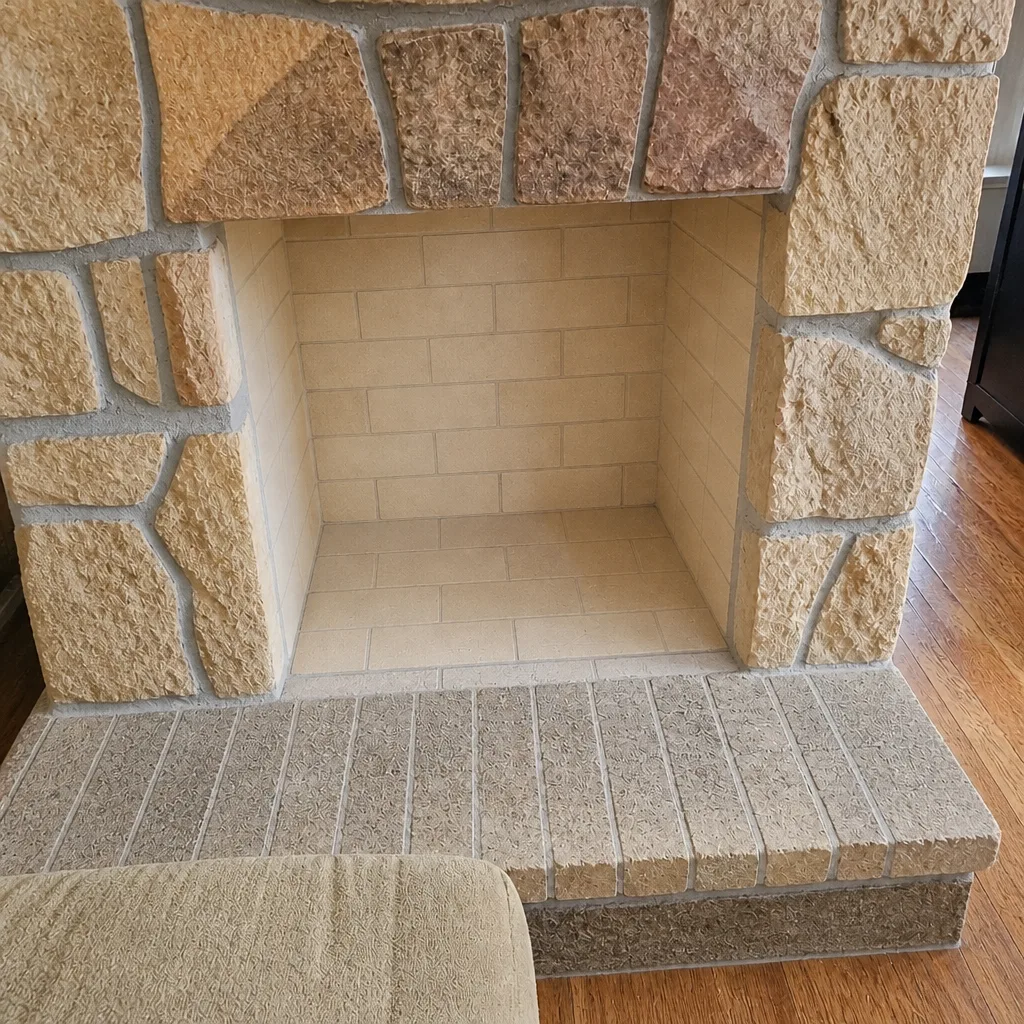
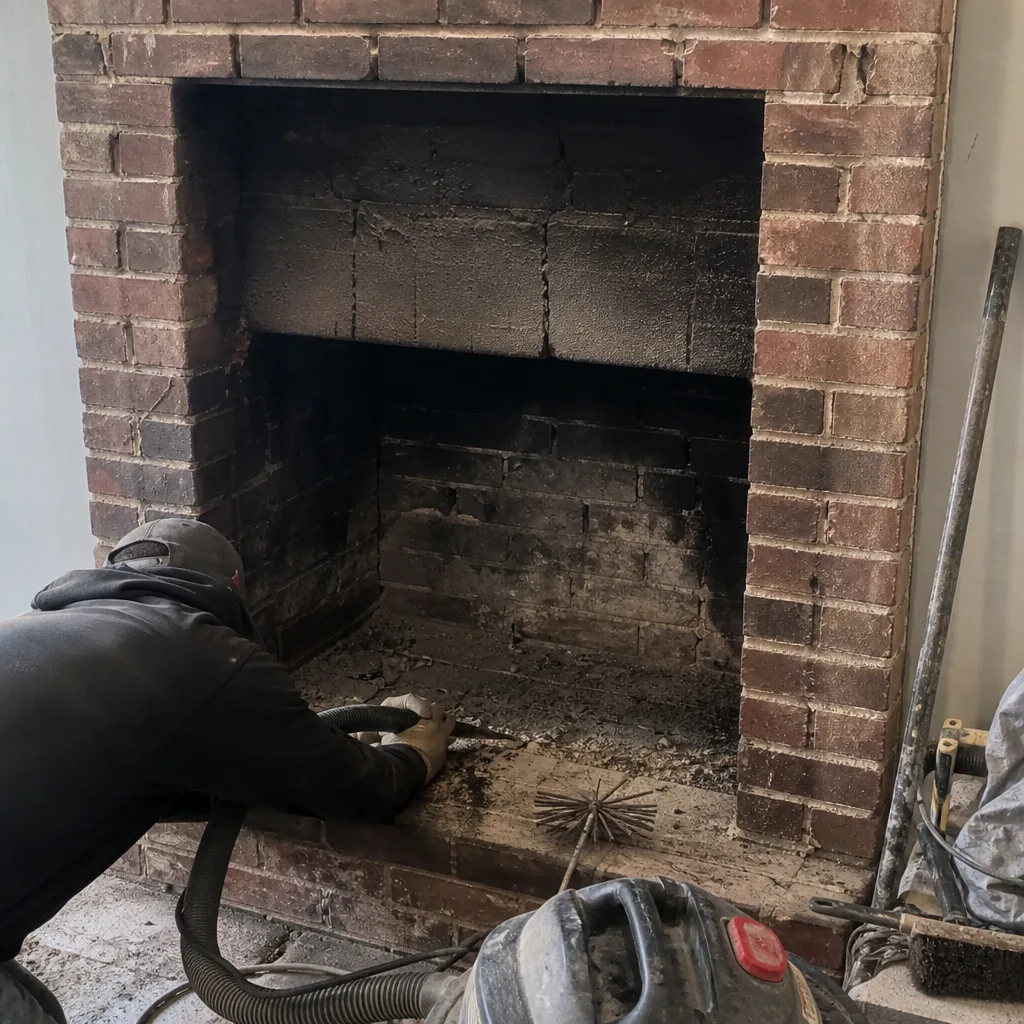
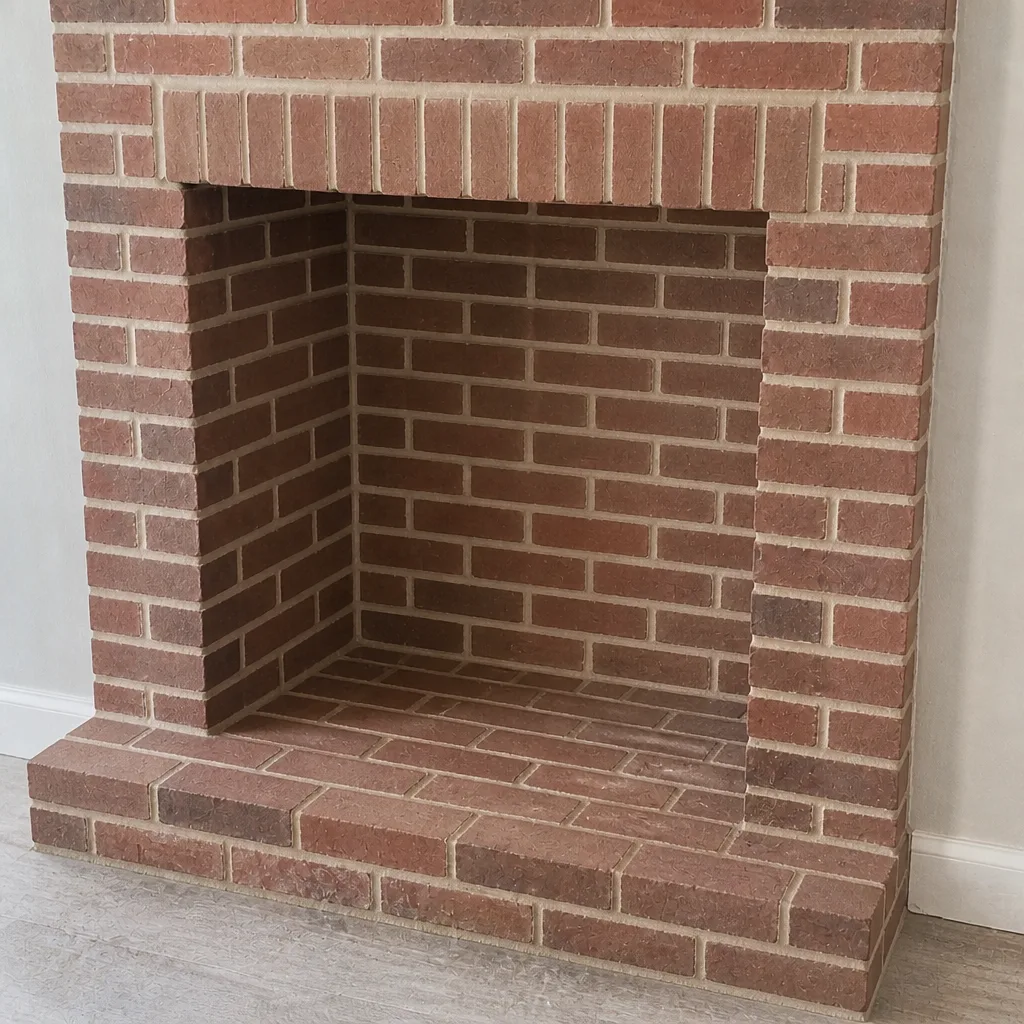
See the difference
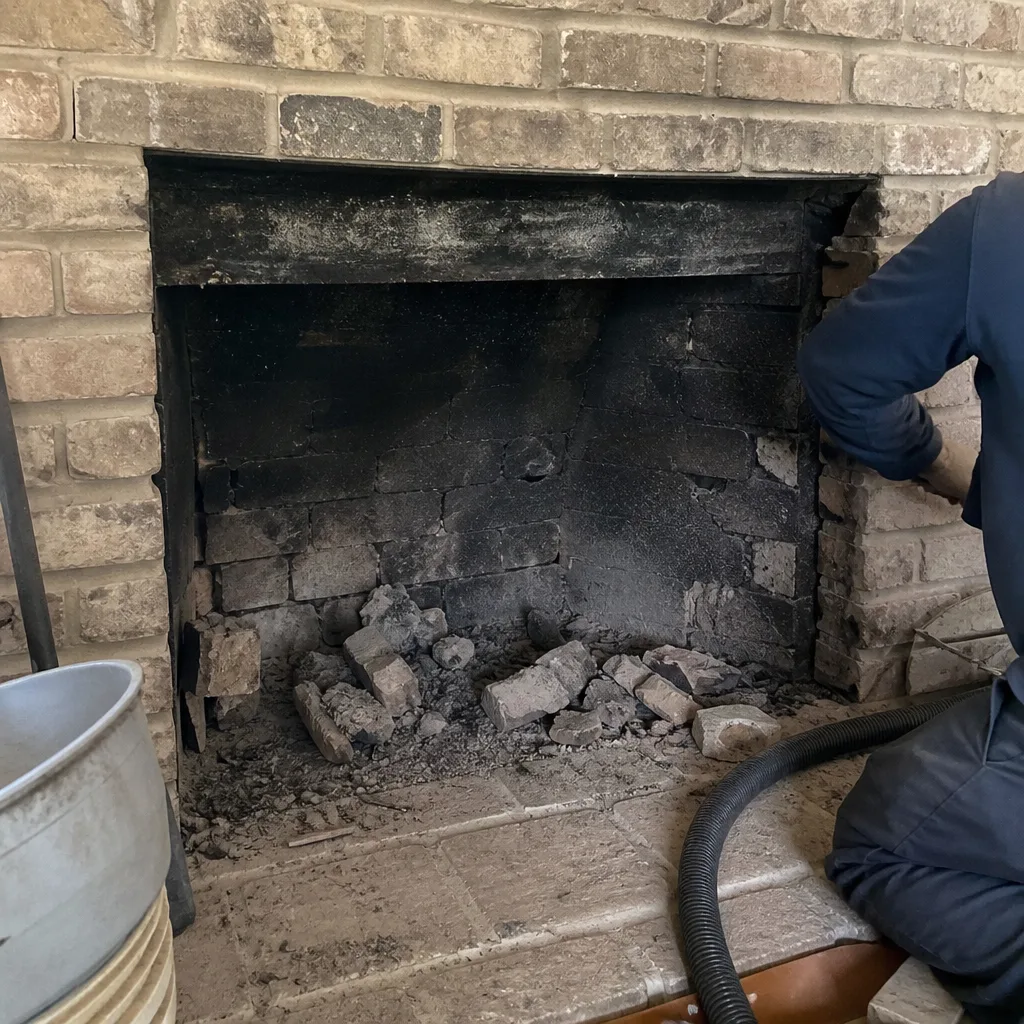 Before
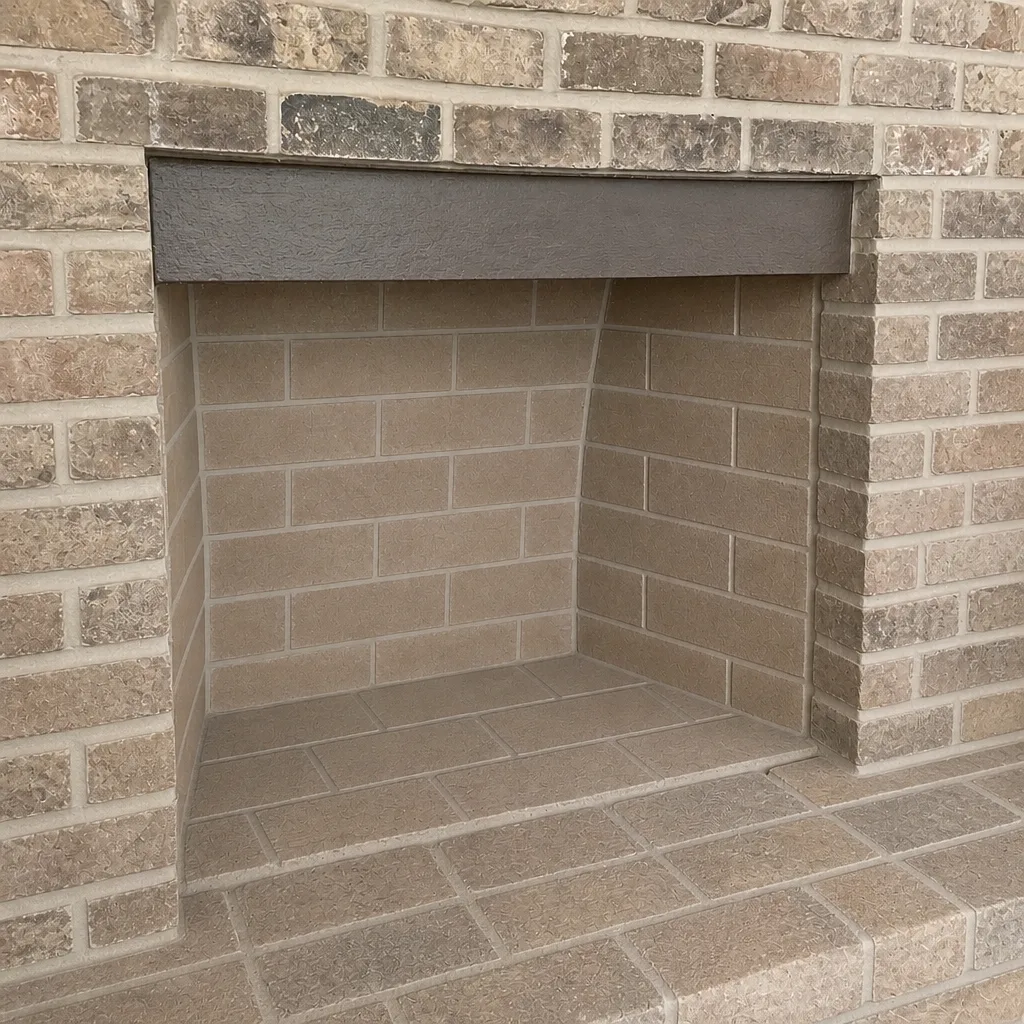 After
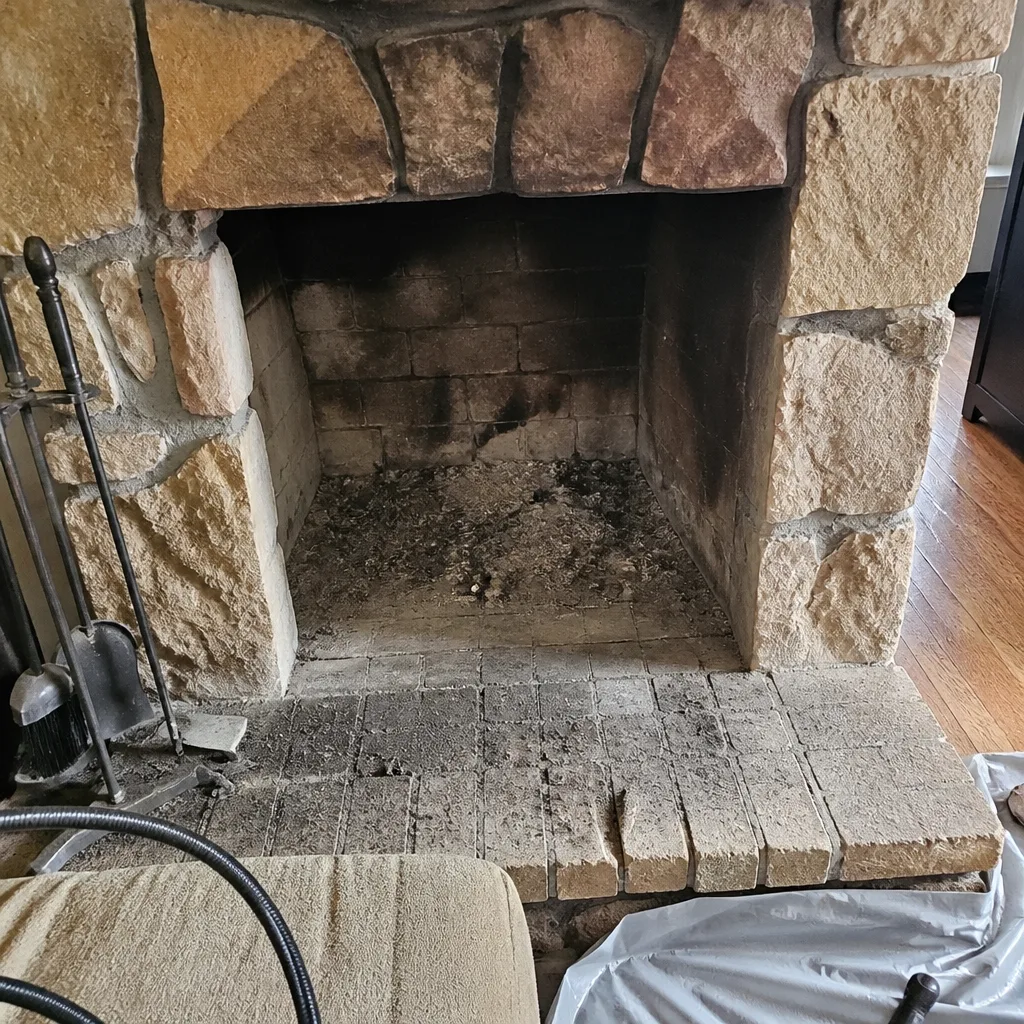 Before
 After
 Before
 After