
Last updated November 24, 2026
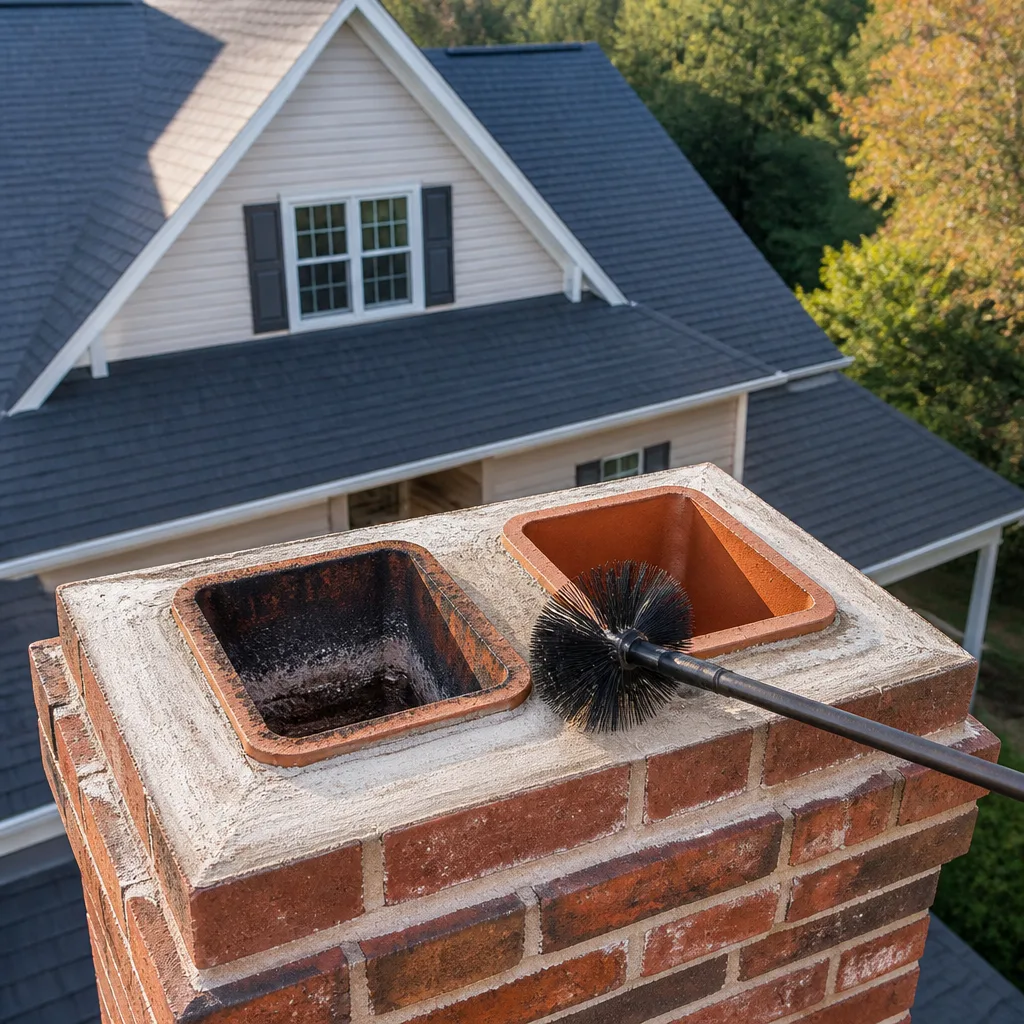 Sweep & inspection
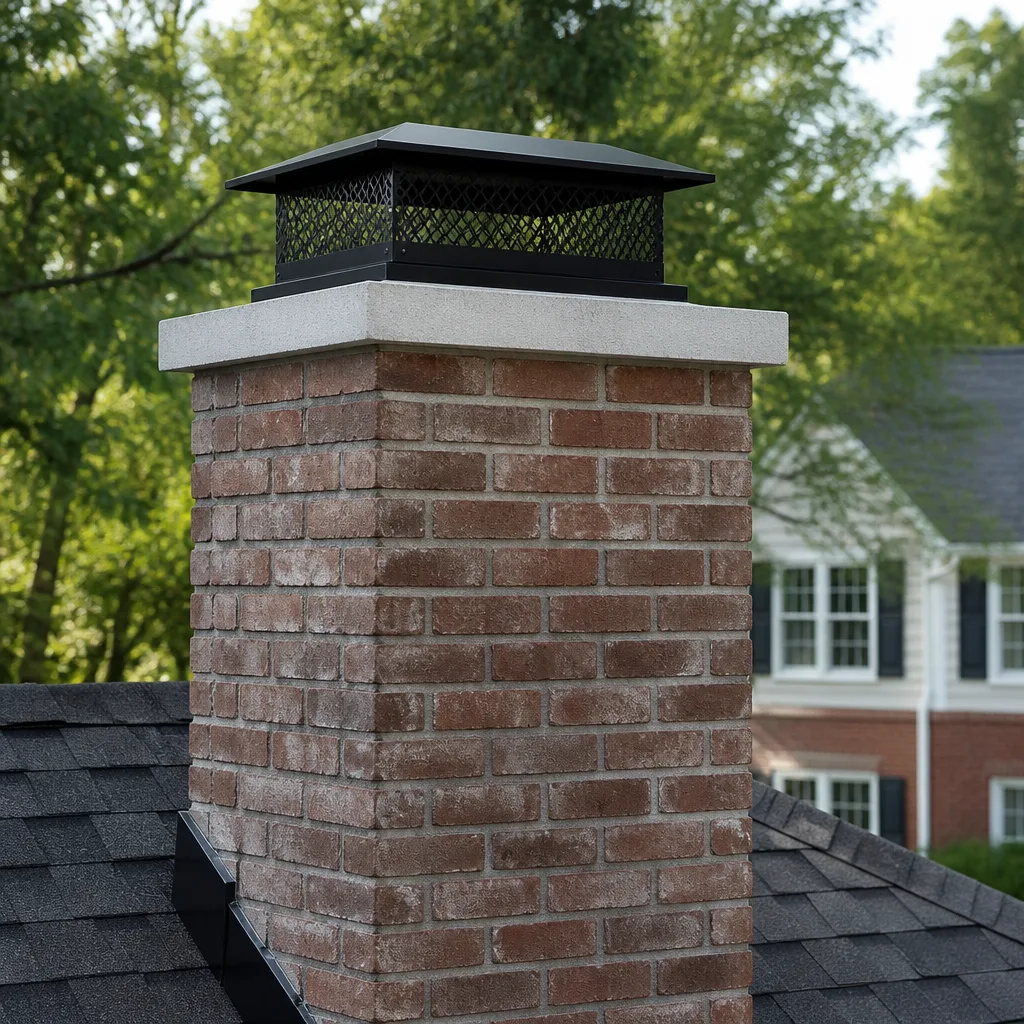 Caps & crowns
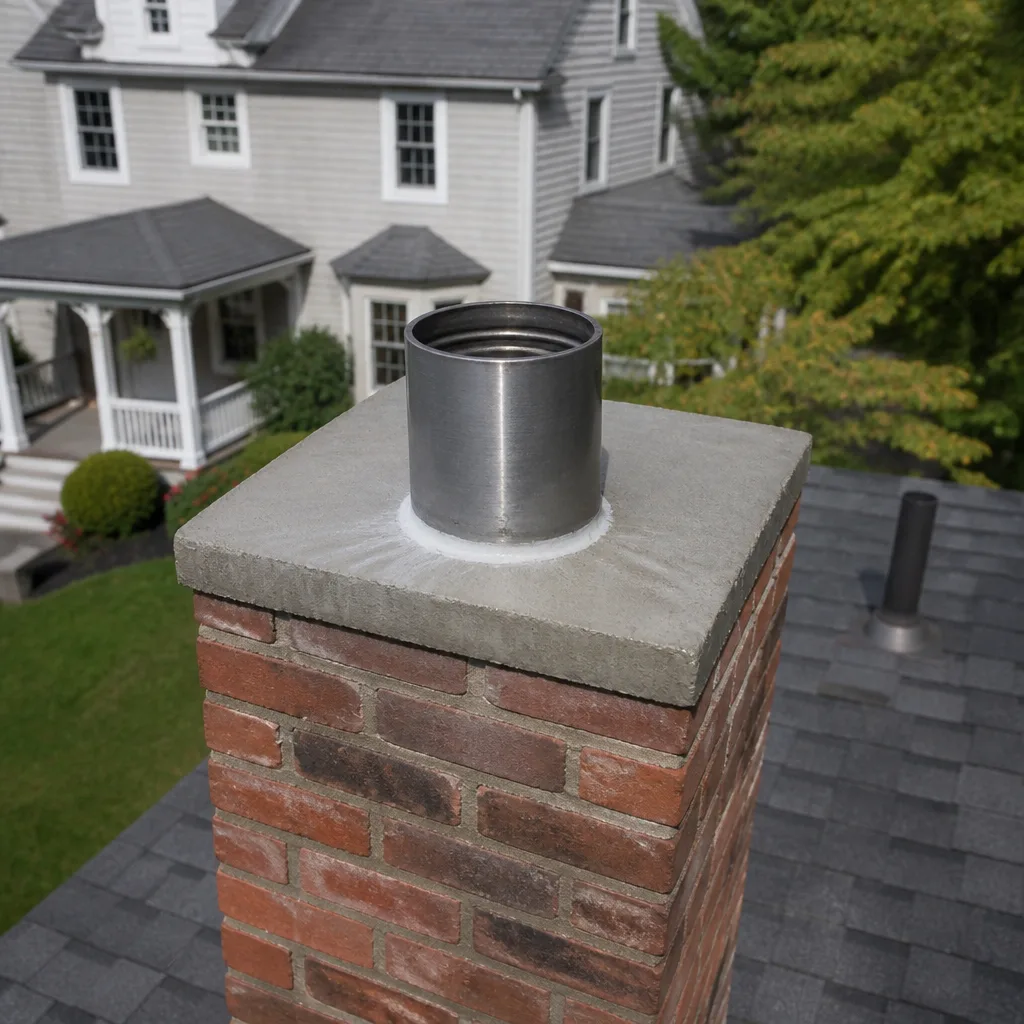 Flue relining
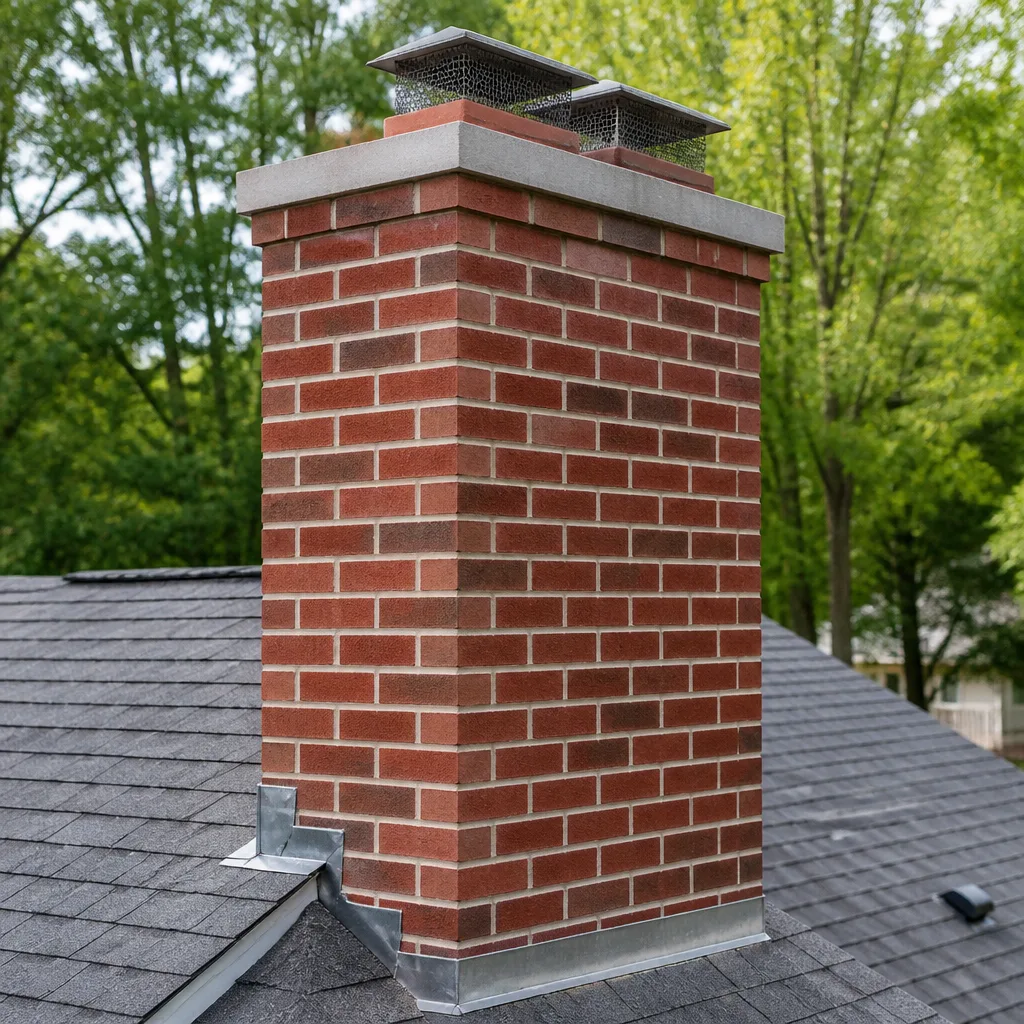 Masonry repair
 Gas fireplace service
Level 1 sweep and inspection to the NFPA 211 annual standard - flue, crown, cap, and flashing checked and photographed
Chimney sweep logs do not sweep chimneys. They loosen some creosote - which then falls where a brush and vacuum still have to collect it.
Seasonal Chimney Cleaning Care for Riverton: Year-Round Homeowner’s Guide
Most Riverton homeowners treat chimney care as a single October task: sweep it, forget it, repeat next fall. That’s the wrong calendar. Chimney systems in northern Utah don’t fail in winter. They begin failing in March and April, when freeze-thaw cycling pushes moisture into hairline cracks and widens them a fraction at a time. The crack isn’t visible from the ground. It only announces itself as a problem when smoke or carbon monoxide finds it on the first cold night in September. In this guide we’ll walk you through the four distinct stress periods a Riverton chimney actually goes through each year, the tasks each window demands, and how to assess damage before it becomes a repair bill.
Quick Answer
Chimney care in Riverton is a four-season job, not a fall errand. Spring is the season to catch and repair freeze-thaw masonry damage before it spalls, summer is when a closed damp flue silently corrodes its liner, fall is when cleaning and inspection need to happen in the right order, and winter requires a quick mid-season visual check from the firebox. Sweeping once a year is the minimum, but only year-round inspection catches the damage that actually costs money.
Styles & brands we work with
- Sweep & inspection
- Caps & crowns
- Flue relining
- Masonry repair
- Gas fireplace service
Table of Contents
- Why Riverton’s Climate Creates Four Chimney Stress Periods
- Spring: Catching Freeze-Thaw Damage Before It Spalls
- Summer: The Damp, Closed Flue Problem
- Fall: The Right Order for Cleaning and Inspection
- The First Fire as a Diagnostic Test
- Winter: The Mid-Season Check From the Firebox
- Caps and Crowns: The Year-Round Water Defense
- A Riverton Chimney Care Calendar
Why Riverton’s Climate Creates Four Chimney Stress Periods
Riverton sits in the Salt Lake Valley, and the valley’s weather pattern is unusually hard on masonry. Winters are cold enough to freeze moisture inside brick and mortar, warm enough in the afternoons to thaw it, and dry enough in summer to pull that moisture back out at a different rate than the masonry wants. That repeated cycle is what chimney professionals call freeze-thaw cycling, and it doesn’t stop in December.
The four periods break down roughly like this:
- January through April: freeze-thaw cycling widens existing cracks and pores in mortar, brick, and the chimney crown. Damage accumulates quietly.
- May through August: monsoon moisture and humid weather combine with a flue that isn’t being used, creating a closed, damp environment inside the chimney.
- September through November: the transition from not burning to burning, which is when cracks that formed in spring first leak smoke, and when creosote gets its first chance to ignite.
- December through February: peak burning season, when small problems become visible symptoms and the masonry goes through its hardest freeze-thaw cycles of the year.
If you only sweep in October, you’re servicing one of those four periods. The other three are when the actual structural damage is happening. That’s why we treat chimney sweep visits and inspection visits as related but separate events, and why we encourage Riverton homeowners to think in terms of a calendar rather than an annual chore.
Spring: Catching Freeze-Thaw Damage Before It Spalls
Spring is when a Riverton chimney takes more structural damage than in any other season, and it’s also the season when that damage is easiest to miss. By the time the last hard freeze passes in April, the masonry has gone through months of water expanding inside it and then draining back out. Each cycle widens cracks by a fraction. By the third or fourth spring, a hairline crack in mortar has become a spalling brick face.
What to look for from the ground
- Brick faces flaking or crumbling: the outer surface of a brick separating from its core is the classic sign of freeze-thaw damage.
- White chalky deposits: efflorescence, which is mineral salts pushed to the surface by moisture moving through the brick.
- Crumbling mortar joints: mortar should be firm beneath a fingernail. If it flakes, the joint is failing.
- Crown cracks: the concrete cap at the top of the chimney should be intact with a slight slope. Horizontal or angled cracks are water entry points.
- Rust streaks on the firebox or damper: evidence that water is coming down the flue, not just sitting on the masonry exterior.
The spring assessment
A proper spring assessment has to include the flue interior, not just the outside of the chimney. Freeze-thaw cracks form on the inside face of the flue as well as the outside, and those interior cracks are what allow heat and carbon monoxide to escape into the wall cavity during the next burning season. When we inspect a Riverton chimney in spring, we look at the flue interior with a camera. That’s not a sales tactic. It’s the only way to see whether a crack you can’t see from the outside has compromised the liner.
For flues with moderate deterioration that doesn’t yet warrant replacement, HeatShield ceramic resurfacing can restore the interior surface and seal cracks. It’s a repair path that sits between “nothing needed” and “full reline,” and not every chimney company carries it. We use HeatShield because it lets us recommend the lightest correct repair rather than the heaviest one.
Spring is also the best window to reseal or rebuild a crown. Doing it during the dry months gives the material time to cure properly before the next freeze.
Summer: The Damp, Closed Flue Problem
A chimney that isn’t being used is not an idle chimney. In Riverton, summer means monsoonal moisture moving through the valley, often arriving as short heavy rain bursts after weeks of dry heat. If the chimney cap is missing, damaged, or mis-sized, that rain runs down the flue. And in a closed chimney with the damper shut, it has nowhere to go but into the liner surface, where it sits.
Why a closed damp flue is hard on a liner
Creosote that was left on the flue walls from the previous winter doesn’t disappear when the chimney cools down. Some creosote types absorb moisture and become acidic. Over a summer, that acidic, wet residue sits against the liner material for weeks at a time without the drying effect of a hot fire. On a clay tile liner, the corrosion shows up as glazing and pitting. On a metal liner, it shows up as rust.
This is one of the most overlooked causes of premature liner failure in Utah. A homeowner who can’t remember the last sweep gets a failing liner not because they burned too much, but because they didn’t sweep before shutting the chimney down for the summer.
Summer tasks that actually matter
- Get the flue swept at the end of burning season, not the start of the next. Removing creosote in spring means nothing is sitting against the liner during the damp months.
- Verify the cap is intact and properly sized. A cap that rattles loose or has a rusted screen lets water and animals in. We fit Gelco, Olympia Chimney, and Famco caps sized to the actual flue opening rather than a one-size hardware-store cover.
- Check the crown and the flashing. These are the two most common entry points for water at the top of the chimney, and both are far easier to repair in warm dry weather than in a cold snap.
- Leave the damper cracked slightly if your system allows it, to let a small amount of air move through the flue and reduce moisture retention. Check with your technician first if your fireplace has a sealed combustion design.
- Look up the flue on a dry day. A flashlight up the flue from the firebox will show you rust streaks, white mineral staining, or dark tarry deposits. Those are the markers that something needs attention before fall.
Summer is also when chimney repair gets done without weather pressure. Masonry work in Riverton moves faster in July than in November, and the repair has time to settle before it has to survive a freeze.
Fall: The Right Order for Cleaning and Inspection
Most homeowners book one visit in the fall and assume the technician will figure out what needs doing. The order matters here, and it changes the outcome.
Inspection before cleaning, then cleaning, then inspection again
If a chimney has significant creosote buildup, an inspection done first can be hard to interpret because the flue walls are coated. If it’s cleaned first without an initial inspection, the technician loses the chance to document what the buildup pattern was telling them: where creosote concentrated, whether it’s the glazed hard type that signals a hot-burning habit, whether the chimney’s draft is poor at the top or the bottom.
Our fall visit runs in three stages:
- Initial inspection: document the firebox, damper, smoke chamber, flue interior, cap, crown, and masonry exterior before we touch anything. This is the baseline condition report.
- Sweep: remove creosote and soot with the right method for the deposit type. Hard glazed creosote needs a different approach than soft soot.
- Post-sweep inspection: confirm the flue walls are clear and any damage the deposit was hiding is now visible and photographed.
This order is why we offer inspection as a standalone service. A homeowner can book a documented condition report without being committed to any repair on the same visit. We’d rather you take the report, think about it, and call us when you’re ready than be talked into work you can’t verify.
What a proper fall inspection should include
- Visual and camera inspection of the full flue length
- Firebox and damper operation check
- Smoke chamber condition
- Chimney cap and crown condition, from the roof
- Masonry and mortar joint check, exterior
- Photo documentation of anything flagged
Fall is also the right time to prepare for the first fire. If you have a wood-burning fireplace, dry seasoned wood makes a measurable difference to creosote formation, and Riverton’s dry late-summer air means wood you split in spring will be ready by October if it’s been covered the whole time.
For gas fireplaces, fall is when fireplace repair needs become apparent: a sluggish pilot, a burner that lights unevenly, or a log set that shows soot staining. Gas systems still need the flue checked because the byproducts of gas combustion are corrosive and need proper venting.
The First Fire as a Diagnostic Test
The first fire of the season is free diagnostic information if you know what you’re watching for. A properly functioning chimney behaves in a predictable way in the first twenty minutes. Anything that deviates from that is telling you something needs looking at.
What a healthy first fire looks like
- Smoke rises smoothly from the fire, drawn up the flue without hesitation
- No smoke roll-out from the firebox into the room
- The smell in the room is woodsmoke, not tarry or chemical
- The glass stays relatively clear (on a glass-front unit) for a steady burn
- No creosote odor that lingers after the fire is out
Warning signs in the first twenty minutes
- Slow start or smoky start: a chimney that takes ten minutes to establish draft may have a cold flue, blocked cap, or creosote-narrowed passage
- Smoke backing into the room: a draft problem or a blockage. Stop the fire and get the chimney inspected.
- Rumbling or roaring sound: a chimney fire sounds like a freight train. Shut off the air supply, get everyone out, and call 911.
- Puffing or pulsing draft: warm air pulsing back down the flue. It can be flue geometry or a pressure imbalance.
- Tarry smell coming from wall vents or under the floor: smoke is escaping the flue into the structure. Stop burning and get it inspected.
- Uneven burn or hot spot on the chimney exterior: heat escaping where it shouldn’t be.
A first fire that goes poorly isn’t a sign the fireplace is unusable. It’s the earliest possible warning that something needs a look, and it’s free information that would otherwise only show up as a worse problem later. Write down what you observe. Specific symptoms make the inspection visit far more productive.
Winter: The Mid-Season Check From the Firebox
You can’t inspect a Riverton chimney from the ground in January, but you can check it from the firebox. This is a two-minute visual that catches active problems before they get worse.
The mid-season check
- Shine a flashlight up the flue. You’re looking for new damage, dark streaks that weren’t there in the fall, or any obvious obstruction.
- Look at the damper and firebox walls. New rust, white staining, or crumbling mortar around the firebox is worth writing down.
- Check the firebox for creosote accumulation on the walls or smoke shelf. A thin, crusty black coating is normal. A thick, sticky, or glossy coating means you’re burning too damp or too cool and it’s time for a sweep.
- Note the glass condition on a glass-front unit. A sudden change in soot pattern means the combustion is changing.
- Smell the chimney on a cold morning before you light a fire. A strong creosote odor is usually a sign that there’s enough buildup to schedule a sweep before the next seasonal window.
If any of those checks produce a new finding, don’t wait until fall. A winter inspection is the diagnostic visit that determines whether it’s a “watch it” or a “fix it now.” Chimney safety in winter isn’t a mystery: it’s a matter of catching active problems while they’re still small enough to fix without rebuilding.
A note on mid-winter masonry
Riverton winters go through regular freeze-thaw cycles, not just sustained cold. If your chimney’s exterior has any existing cracks, they get wider in winter. You can’t do exterior masonry work in a hard freeze, but you can stop the damage from continuing by repairing what’s visible during a thaw window, and by scheduling the full repair for the first dry stretch in spring.
Caps and Crowns: The Year-Round Water Defense
Every seasonal problem in this guide has one thing in common: water entering the masonry. The chimney cap and crown are the first line of defense, and they’re also the components most often missing, mis-sized, or damaged in Riverton homes.
A properly fitted chimney cap does three things at once:
- Keeps rain out of the flue so summer dampness can’t drive liner corrosion
- Keeps animals out so you’re not dealing with a blocked flue in autumn
- Keeps sparks in so the chimney can vent safely while burning
The crown is the concrete surface at the very top of the chimney. A well-built crown is intact, slightly sloped away from the flue, and sealed at the joint between the flue tile and the crown. A crown that has cracked lets water into the top of the masonry, where freeze-thaw can shatter brick faces from the inside within a season or two.
This is why we fit Chimney Sweep Riverton caps from Gelco, Olympia Chimney, and Famco rather than a generic cover from the hardware store. Sizing and material matching matter. A cap that doesn’t fit properly doesn’t defend the chimney. Full chimney cap and crown installation belongs in the same yearly plan as the sweep, not in a separate category of “cosmetic” work.
A Riverton Chimney Care Calendar
Here’s the plan we recommend for most Riverton homes, mapped to a typical calendar year:
- March-April: Spring assessment. Camera inspection of the flue interior, exterior masonry check, crown inspection. Address any freeze-thaw damage while the weather is warm enough to cure masonry. Get the flue swept if last winter’s burning season left heavy deposits.
- May-June: Verify the cap and crown are intact. Repair flashing and any roof-level entry points. This is the best window for masonry repair because it has the longest cure time before the next freeze.
- July-August: Check the flue interior for summer damage (rust streaks, white staining, dark deposits). Confirm the damper operates and the firebox is dry. If the liner shows damage from damp exposure, plan the repair before fall.
- September-October: The fall visit: initial inspection, sweep, post-sweep inspection with photo report. Get any recommended repairs scheduled before the first cold night.
- November-December: First fire diagnostic. Watch the twenty-minute window. Note anything unusual.
- January-February: Mid-season firebox check. Note new damage. Book a winter inspection if anything has changed.
Homes with higher burn rates, older housing stock, or a chimney that’s shown any sign of past damage should move to twice-a-year inspection: once in spring and once in fall. Homes with gas fireplaces need less frequent sweeping but still need an annual inspection because gas venting has its own corrosion risks. Homes that haven’t been serviced in a few years should start with a full inspection before committing to any repair, so the plan is based on the actual condition rather than someone’s guess.
Our technicians have up to 9 years of experience across the full chimney lifecycle, and we work with DuraFlex, HeatShield, Gelco, Olympia Chimney, Famco, and Copperfield components so the repair you get matches the actual condition of your chimney rather than a one-size approach.
Common Mistakes to Avoid
- Treating chimney care as a single October event. Most of the structural damage in a Riverton chimney happens between March and April and between June and August. Skipping a spring and summer check means you’re not servicing the seasons when the damage occurs.
- Sweeping before inspecting. If you clean before documenting, you lose the information about what the buildup pattern was telling you. Inspection first, then sweep, then post-sweep inspection, so the report is honest about what was actually found.
- Leaving creosote on the flue all summer. Wet creosote sitting against the liner in a closed damp flue is what causes a lot of premature liner failures in Utah. Sweep at the end of burning season, not just before the next one.
- Using a hardware-store cap that doesn’t fit. An improperly sized cap either lets water around the edge or restricts draft. Getting the correct cap from a brand like Gelco, Olympia Chimney, or Famco sized to your actual flue opening is worth the small extra cost.
- Ignoring the crown until it fails. A cracked crown is invisible from the ground and lets water into the top of the masonry all winter. Every spring assessment should include a crown inspection.
- Skipping the first-fire check. The first fire of the season is a free diagnostic for your chimney. Watching for the twenty-minute warning signs is how you catch problems before they become expensive.
- Waiting for a chimney fire to book a sweep. A chimney fire is the loudest possible warning that the schedule slipped. Sweep on schedule so the fire never has fuel to burn.
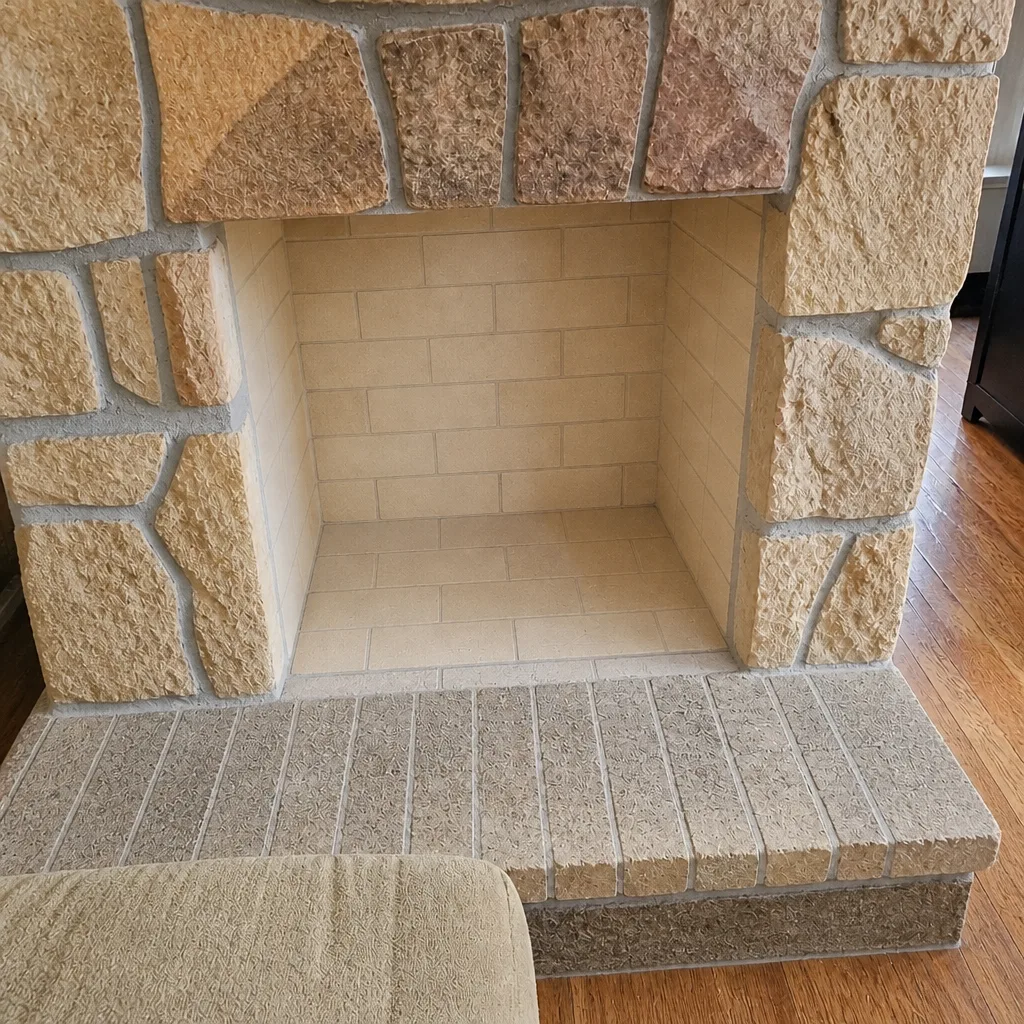
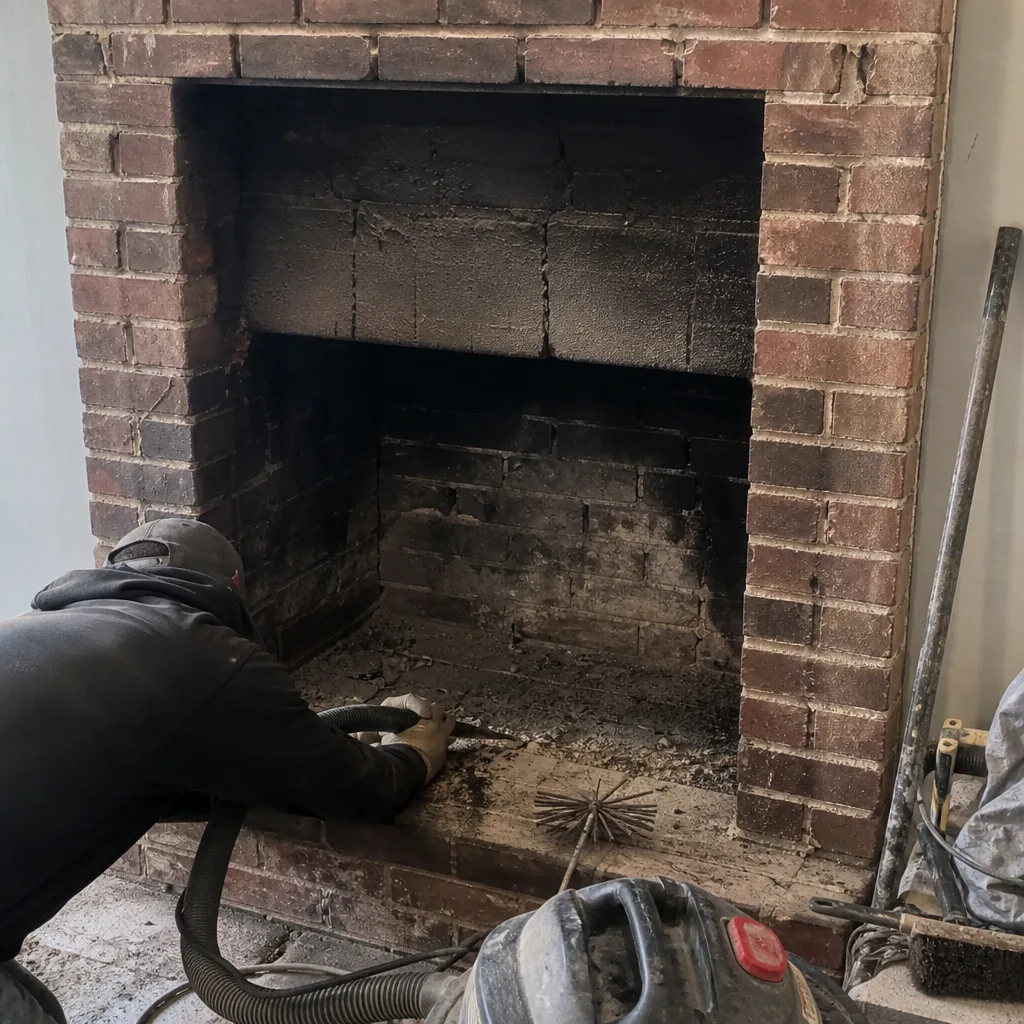
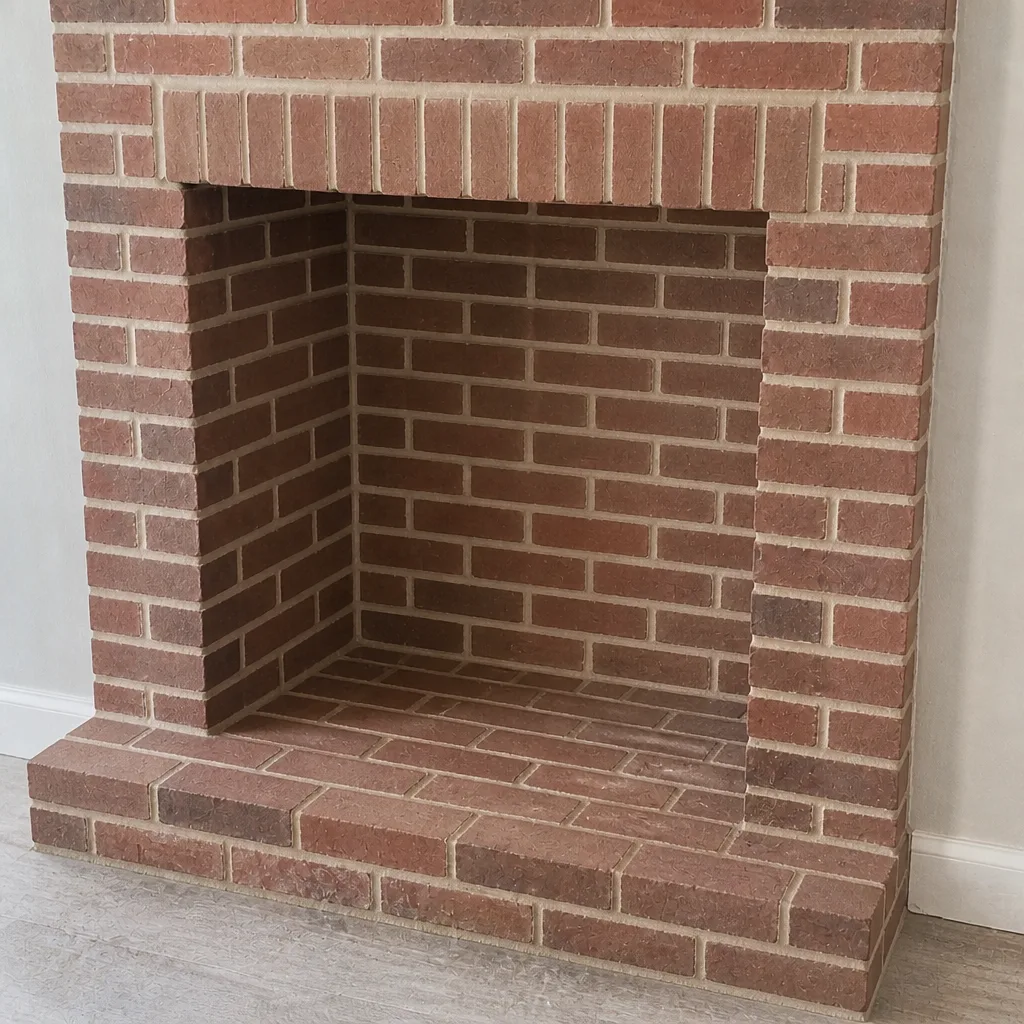
See the difference
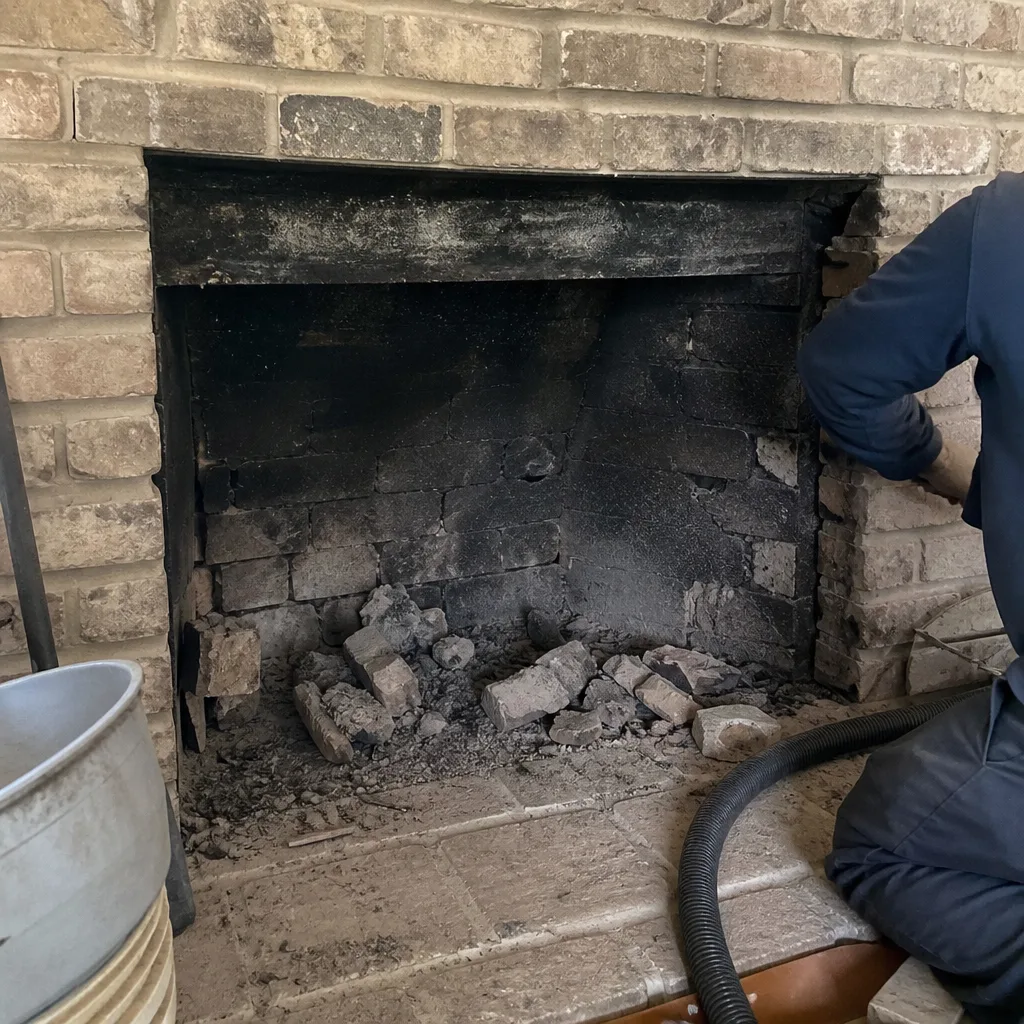 Before
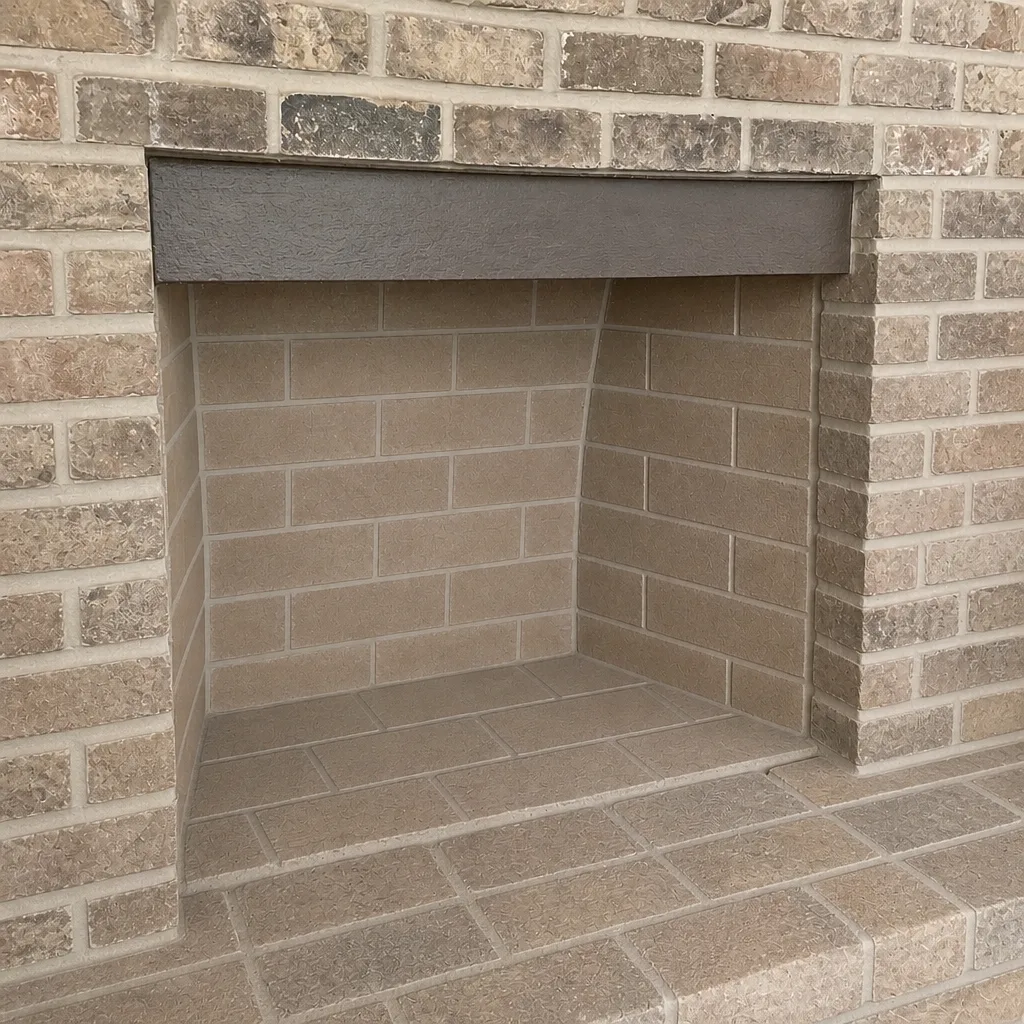 After
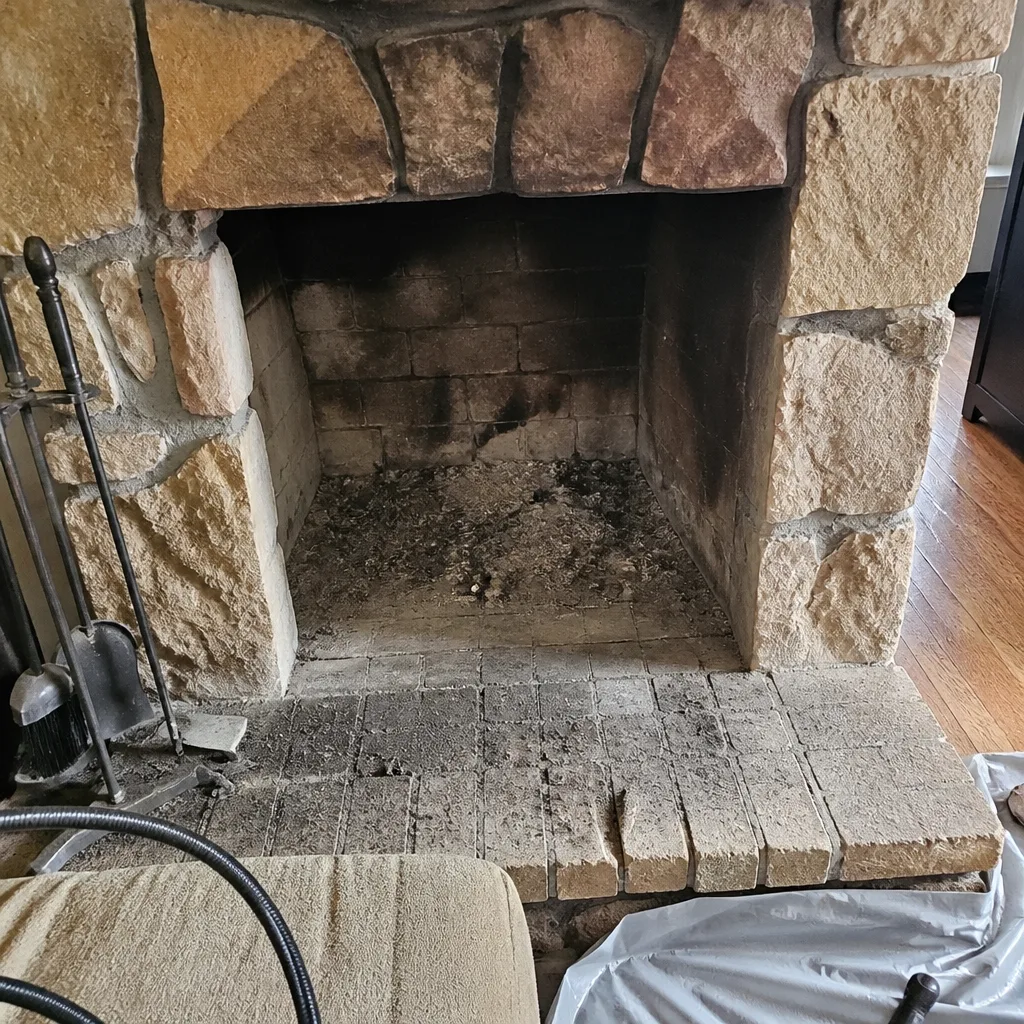 Before
 After
 Before
 After
When to Call a Professional
Some chimney work is a homeowner’s visual check, and some needs a trained technician with the right tools. Call a professional when you see spalling brick, crumbling mortar, a cracked crown, or white staining on masonry. Call when the first fire of the season produces smoke roll-out, draft problems, or a tarry smell in the house. Call when you’re buying a home with an older chimney and you don’t have a documented inspection. Call when a repair was quoted and you want a second opinion before committing to a full reline. Call any time you smell creosote on a cold morning before lighting the fireplace. Chimney Sweep Riverton offers free estimates in Riverton. Call (833) 468-5704. We answer 24/7. Fast dispatch from 7am to 7pm, Sunday through Friday.
Frequently Asked Questions
Once a year is the minimum for most Riverton wood-burning fireplaces, and it should happen at the end of the burning season rather than the start of the next one, so creosote doesn’t sit against the liner through the summer. Homes with heavy use, older housing stock, or a prior repair should be swept and inspected twice a year. Gas fireplaces need an annual inspection even when the flue doesn’t need a sweep. Call (833) 468-5704 for an exact quote on your chimney, and estimates are free.
For structural damage, yes. Riverton’s spring freeze-thaw cycles push moisture into existing cracks and widen them a fraction per cycle, and by summer those cracks have grown enough that they’re not just cosmetic. Winter is harder on the chimney during use, but the damage that costs money accumulates in spring. A spring inspection catches it while it’s still a repair rather than a rebuild. Call (833) 468-5704 to book a spring assessment, and estimates are free.
Sometimes it can be resurfaced. HeatShield ceramic resurfacing restores a deteriorated flue interior without a full reline when the damage is moderate. Full relining with DuraFlex flex liner systems is the right answer when the existing liner has failed structurally or is the wrong size for the appliance. The two repair paths exist because flues don’t all have the same problem, and the honest answer to “which one do I need” depends on what the camera shows. We’ll tell you which one your flue actually needs and show you the photo evidence. Call (833) 468-5704 to schedule an inspection, and estimates are free.
The chimney accumulates creosote, moisture damage compounds, and the first sign of a problem becomes a chimney fire, a carbon monoxide leak, or a masonry repair that has escalated into a rebuild. The specific risk is different in each season: freeze-thaw damage in spring, liner corrosion in summer, creosote ignition in fall and winter. Skipping a year doesn’t cancel the risk, it defers it into a worse outcome. Call (833) 468-5704 before the next burning season starts, and estimates are free.
Yes, from the firebox with a flashlight. The mid-season check we describe (flue interior, damper, firebox walls, glass soot pattern, cold-morning smell) is safe and useful, and it’s how homeowners catch active problems before they escalate. Do not get on the roof to check the cap or crown yourself, and do not try to sweep the flue on your own. Those jobs need training, tools, and safe access. Call (833) 468-5704 to book the professional check, and estimates are free.
Yes, but the calendar is different. Gas fireplaces don’t produce the same creosote as wood, so the sweep interval is longer, but the flue still needs an annual inspection for corrosion and venting problems. The byproducts of gas combustion are acidic and the vent has to be clear. We inspect gas fireplaces and gas venting on the same calendar as wood-burning systems, with the tasks adjusted for what the appliance actually produces. Call (833) 468-5704 to schedule a gas fireplace inspection, and estimates are free.
The Bottom Line
Riverton’s climate doesn’t give a chimney a single seasonal stress period to plan around. It gives four. Spring freeze-thaw cycling widens cracks and makes them structural. Summer dampness in a closed flue corrodes the liner from the inside out. Fall is where cleaning and inspection need to happen in the right order for the report to be meaningful. Winter is where the first fire and a quick firebox check catch active problems before they escalate. The homeowners who get long service life out of their chimney are the ones who plan the year in four windows, not one. A sweep in October is the minimum, not the whole story.
If you’d like a Riverton-specific plan for your own chimney, start with an inspection and a photo report. Then call (833) 468-5704 for a free estimate on anything the inspection surfaces. We answer 24/7. Fast dispatch from 7am to 7pm, Sunday through Friday.
Written by the team at Chimney Sweep Riverton.