
Last updated November 24, 2026
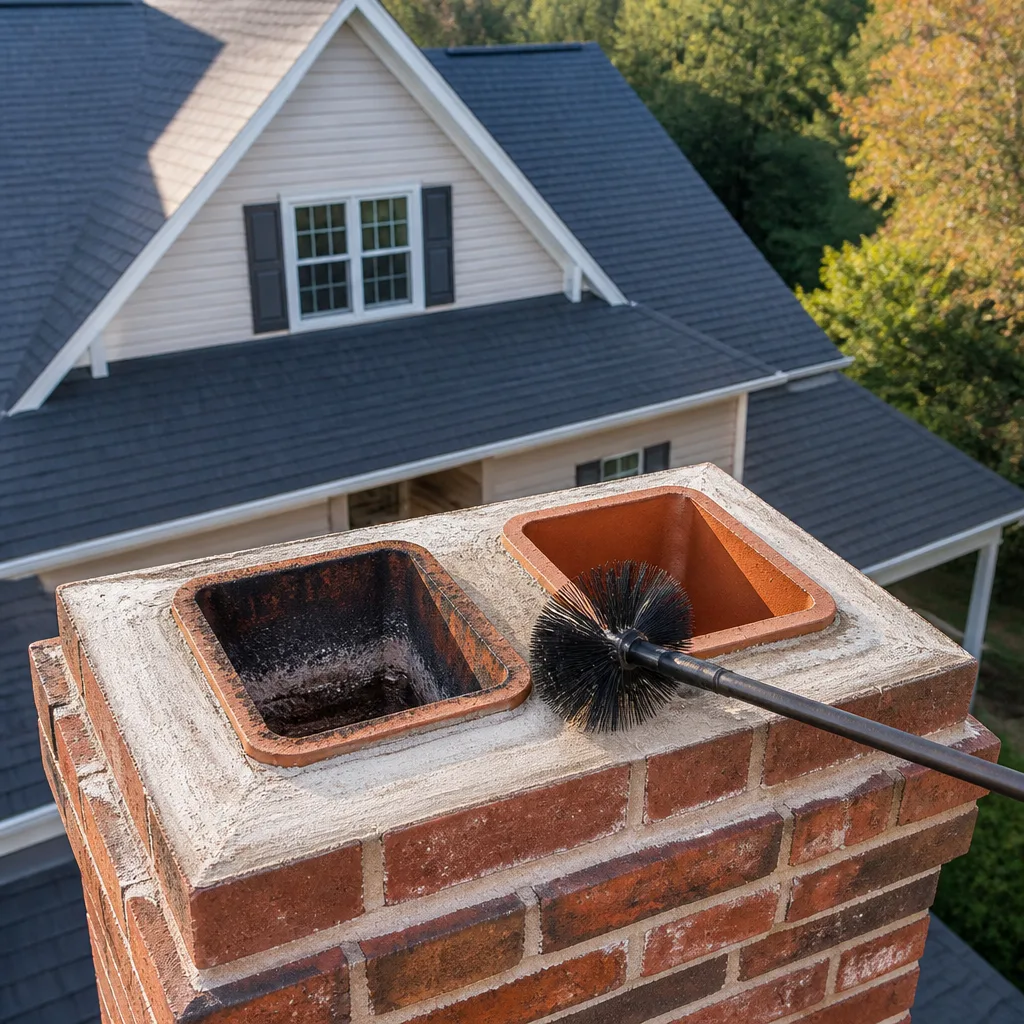 Sweep & inspection
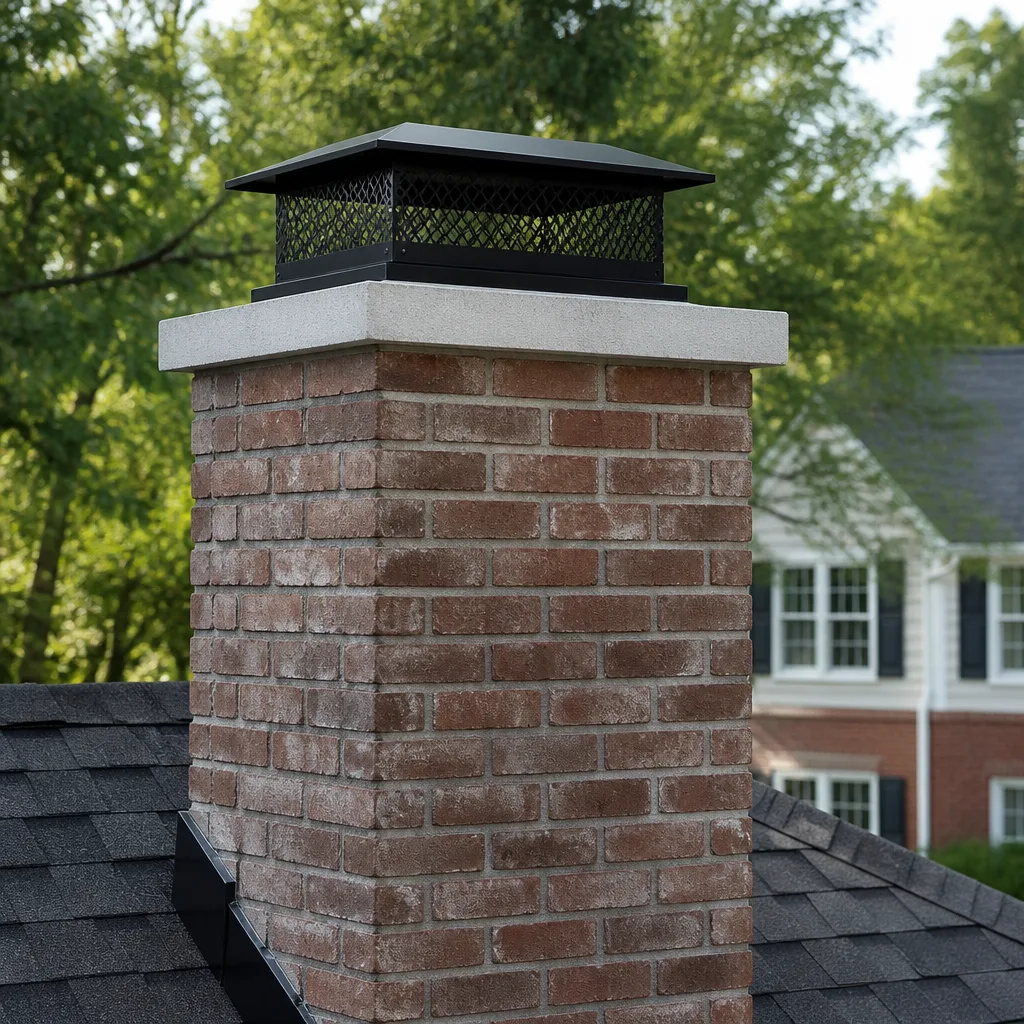 Caps & crowns
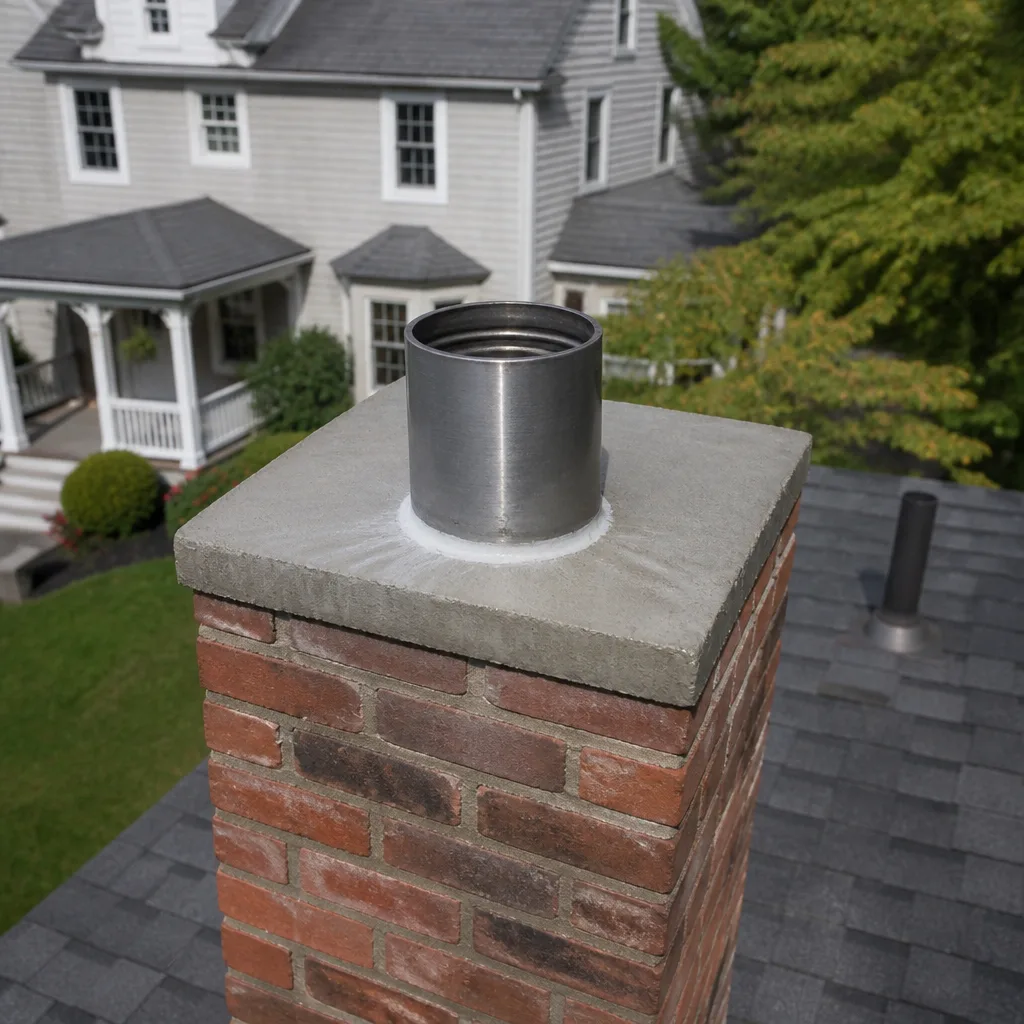 Flue relining
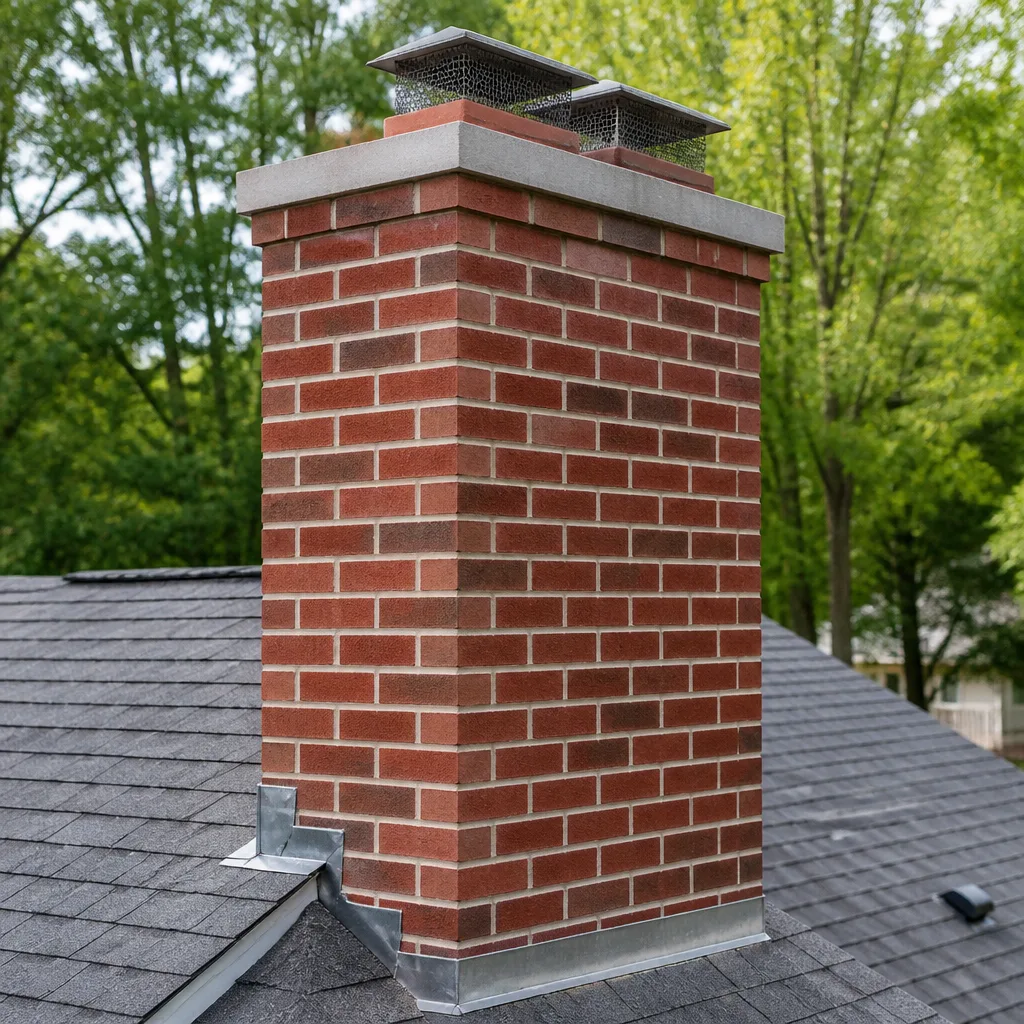 Masonry repair
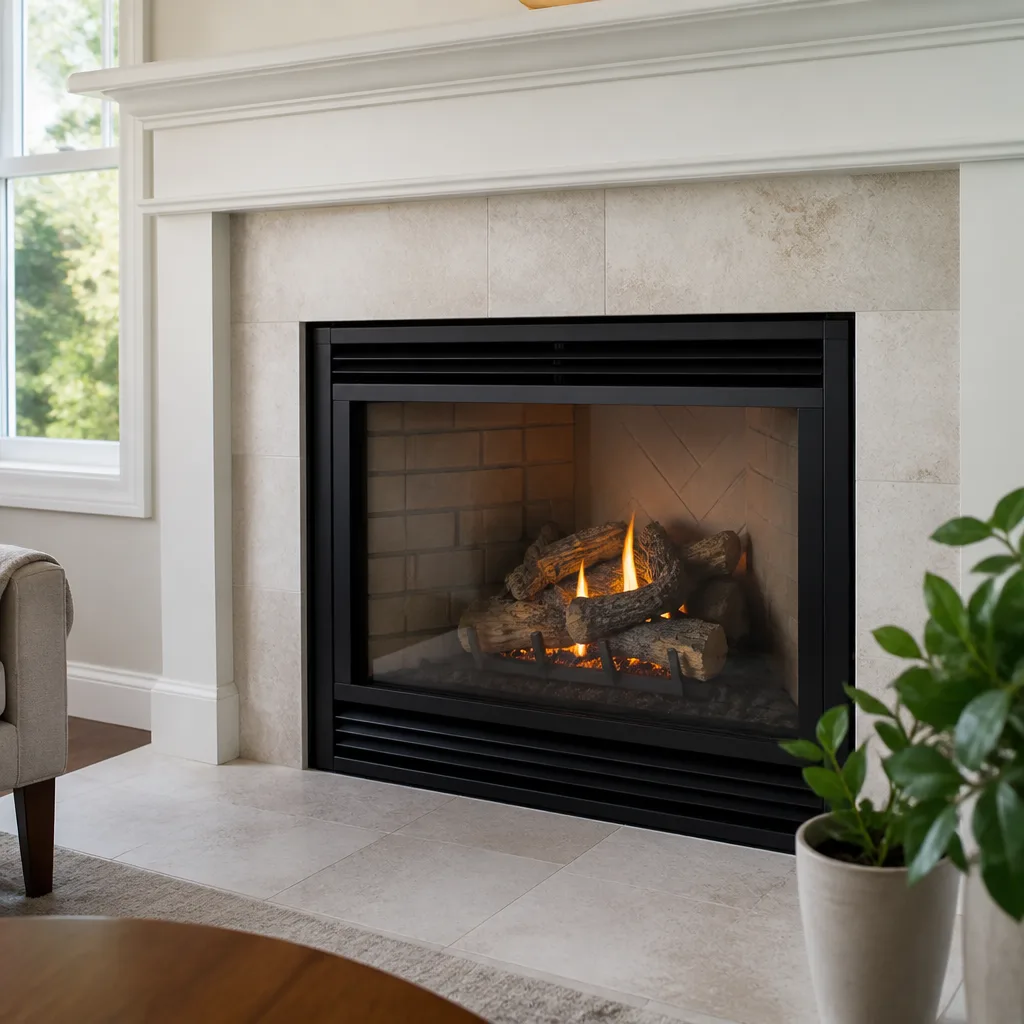 Gas fireplace service
Level 1 sweep and inspection to the NFPA 211 annual standard - flue, crown, cap, and flashing checked and photographed
Chimney sweep logs do not sweep chimneys. They loosen some creosote - which then falls where a brush and vacuum still have to collect it.
Chimney Cleaning Permits, Codes & Inspections in Riverton, UT: What You Need to Know
Here’s the part most homeowners get backwards: the cleaning itself is the easy half. A routine chimney sweep in Riverton doesn’t require a permit. But the repairs and installs that often follow a cleaning – a new liner, masonry work, an appliance reconnection – absolutely do, and a liner replacement done without one isn’t just a code violation. It’s a material fact you may have to disclose when you sell the house, and it can complicate a fire-damage claim if your insurer finds unpermitted work in the flue system. This guide draws the exact line between what’s permit-exempt and what isn’t, how Utah code and NFPA 211 interact, and what a code-compliant inspection actually involves.
Quick Answer
Routine chimney cleaning and sweeping do not require a permit in Riverton, Utah. Anything that alters the chimney structure or flue system – liner replacement, masonry repair, new appliance connections, cap and crown replacement on some scopes – typically does require a permit through Riverton City, and the work must meet the Utah Uniform Building Code along with NFPA 211 standards. A Level 2 inspection is legally required for real estate transactions and after any chimney fire, earthquake, or flue-damaging event. When Utah code and NFPA 211 conflict, the stricter requirement governs.
Styles & brands we work with
- Sweep & inspection
- Caps & crowns
- Flue relining
- Masonry repair
- Gas fireplace service
Table of Contents
- Where the Permit Line Falls in Riverton
- Utah Uniform Building Code and Chimney Work
- How NFPA 211 Interacts With Utah Code
- The Three Inspection Levels and When Each Is Required
- Riverton and Salt Lake County Permit Types and Timelines
- What Unpermitted Work Costs You Later
- The Permit Process Step by Step
- Riverton’s Climate and Why It Shortens Chimney Life
Where the Permit Line Falls in Riverton
This is the distinction that trips up nearly every homeowner, and it’s worth stating plainly before anything else. Sweeping is maintenance. Repairs and installs change the structure of the chimney system, and that is what triggers the permit requirement.
In practical terms, here is what sits on each side of the line:
- No permit typically required: A routine chimney sweep, a visual Level 1 inspection, cap or screen replacement on a like-for-like basis, and basic firebox cleaning.
- Permit typically required: Liner replacement or relining, masonry repairs to the chimney chase or firebox, crown replacement, new fireplace or wood stove installation, appliance flue reconnection, and any structural change to the chimney itself.
The reasoning is straightforward. A sweep removes creosote and soot from a system that stays as it was. A reline changes the flue’s internal dimensions, the materials in contact with combustion gases, and the clearances to combustibles behind the masonry. Those are life-safety variables, and the building code exists to check them.
In our experience, homeowners understand the sweeping side intuitively – they’ve heard “sweep once a year” their whole lives. The repair side is where confusion lives. A roofer tells them the chimney needs repointing, a handyman offers to drop in a liner, and nobody mentions the permit. That’s how unpermitted work gets into a house in Riverton and sits there quietly for years. The chimney repair work we handle goes through the same permitting channel any licensed contractor would use, because the paper trail matters as much as the mortar.
Utah Uniform Building Code and Chimney Work
Utah adopts a statewide building code – the Utah Uniform Building Code – which incorporates the International Residential Code for one- and two-family dwellings. Two chapters do most of the heavy lifting for chimney work: the chapter governing chimneys and vents, and the chapter governing masonry fireplaces and chimneys. These set the requirements for flue sizing, clearance to combustibles, hearth extension dimensions, and materials.
What does that mean for a Riverton homeowner? A few concrete things:
- Clearance to combustibles is measured, not eyeballed. Wood framing, sheathing, and interior finish materials must maintain the code-specified distance from the chimney. A remodel that moves framing closer can quietly violate clearance even if nobody touched the chimney itself.
- Flue sizing must match the appliance. A flue that’s too large for a wood stove runs cold, drafts poorly, and accumulates creosote faster. A flue that’s too small won’t vent properly at all. Code addresses this, and so does NFPA 211.
- Materials are specified. Listed and labeled components are required for liners and connectors. This is why we stay with recognized industry product lines – Gelco and Olympia Chimney components, for example, are manufactured to standards a code official can verify, not generic substitutes pulled off a shelf.
- Work must be inspected. When a permit is pulled, the inspecting authority checks the work against the adopted code before it’s closed out.
For jobs in Riverton, this matters because the local housing stock includes a lot of established homes where chimneys have been modified, patched, or partially rebuilt over the years. Not every prior modification met current code. When we assess a flue, we’re reading it against what the code requires today, not against what was acceptable when the house was built.
How NFPA 211 Interacts With Utah Code
NFPA 211 is the national standard for chimneys, fireplaces, vents, and solid fuel-burning appliances. It’s not a law – it’s a consensus standard – but Utah’s adopted code references it, and it governs much of what a chimney professional actually does. The interaction between the two is simple to state: NFPA 211 supplies the technical detail, adopted Utah code gives it legal force, and when the two differ, the more restrictive requirement wins.
In practice, that plays out in a few specific places:
- Inspection standards. NFPA 211 defines the three levels of chimney inspection (Level 1, 2, and 3). That framework is what a code-compliant inspection actually follows. A “quick look up the flue” is not a Level 1 inspection under NFPA 211 – it’s a courtesy glance.
- Clearance requirements. NFPA 211 spells out clearance distances and how they’re measured and protected. Building code adopts them, and an inspector checks them.
- Liner condition and relining. NFPA 211 addresses when a flue must be relined and what materials are acceptable. A cracked clay tile liner, or a flue with excessive gaps, fails that standard and triggers a repair requirement.
- Creosote classification. NFPA 211 classifies creosote buildup in three degrees, which drives sweeping recommendations and inspection findings.
Homeowners occasionally ask whether they can rely on a national standard alone instead of the local code, or vice versa. The honest answer is you don’t get to pick. The permitting authority in Riverton applies the adopted Utah code, which incorporates the standard, and the stricter provision is the one that governs. Where a full reline might technically satisfy one standard but the adopted code asks for more, the adopted code controls. Our work is built to satisfy the strictest reading so a permit inspection has nothing to argue with.
The Three Inspection Levels and When Each Is Required
NFPA 211 defines three inspection levels, and knowing which one your situation calls for prevents both overpaying and under-inspecting. Here’s the breakdown.
Level 1 Inspection
A Level 1 is the routine, annual-style inspection you get alongside a sweep. It covers readily accessible portions of the chimney and appliance – the firebox, the visible flue interior, the damper, the cap, and the appliance connection – using basic tools. It’s appropriate when the system is in continued use under the same conditions and hasn’t changed.
Level 2 Inspection
A Level 2 is the real-estate and post-event inspection. It’s required when a property changes hands, when an appliance or fuel type is changed, when a chimney fire has occurred, or after any event that could damage the flue (an earthquake, a structural repair near the chimney, a severe storm). It goes beyond what’s visible – it includes video camera inspection of the flue interior and inspection of accessible attic, crawlspace, and concealed spaces. This is the inspection that surfaces hidden damage a visual sweep can’t see.
Level 3 Inspection
A Level 3 goes further still, and it’s used only when a Level 1 or Level 2 identifies a hazard that can’t be examined without opening up construction. It may involve removing parts of the chimney or surrounding building assembly. It’s rarely the first call, but it’s sometimes the only honest answer.
Here’s what a code-compliant Level 2 inspection should look like in practice:
- Video camera scan of the full flue interior, recorded and provided.
- Inspection of the firebox, damper, smoke chamber, and any visible appliance connector.
- Inspection of accessible attic, crawlspace, and exterior clearances.
- Inspection of the cap, crown, flashing, and masonry at the roofline.
- A written report documenting conditions, with photographs of anything notable.
We treat a documented report as the whole point of the service, not a sales tool. If nothing needs doing, the report says so, and you can put it in a file.
Riverton and Salt Lake County Permit Types and Timelines
Which permit you need depends on the scope of work. Chimney work in Riverton generally falls into a few permit categories, and understanding them helps you ask the right questions before anyone starts.
- Residential building permit: Covers structural changes to the chimney chase, masonry rebuilds, crown replacement, and new fireplace construction. This is the largest category for chimney work.
- Mechanical permit: Applies to appliance connections – installing a new wood stove, gas appliance, or gas fireplace insert – where the flue and venting are involved.
- Plumbing permit (in some cases): Gas appliance connections sometimes fall under a plumbing permit in Utah, depending on the scope. Your permitting office will clarify which applies to your job.
Approximate timelines. Residential building permits for straightforward chimney work often move through plan review and issuance in a few weeks, but the timeline varies with workload, the completeness of the application, and whether any structural elements need closer review. Mechanical permits are frequently quicker. Inspections are typically scheduled as the work progresses, and a closeout inspection at the end allows the permit to be finalized.
These timelines are general, not a promise – the permitting office in Riverton is the authority on any specific application, and we always defer to them. The point worth internalizing is simpler: permit delays are measured in weeks, but unpermitted work can surface in years, at the worst possible moment, and cost multiples more to fix. Planning ahead is how you avoid both. If you’re planning a reline or a fireplace repair, build permit time into the schedule.
What Unpermitted Work Costs You Later
This is the section we’d want every Riverton homeowner to read before hiring anyone for chimney repairs, so it’s worth being direct.
Unpermitted chimney work is invisible until it isn’t. It doesn’t break the day it’s installed. It breaks on the day you sell the house, or the day your insurer opens a claim, or the day a new inspection turns up a liner installed without the correct clearance.
Three specific problems tend to surface:
- Disclosure during a home sale. In Utah, sellers are required to disclose known material facts about the property, including unpermitted work. A buyer’s inspector finds the unpermitted flue alteration, the deal renegotiates, and the seller pays for remediation under time pressure – plus potentially a credit to the buyer to make it go away.
- Insurance complications. Many homeowners policies require that work on the property be permitted and inspected where local code requires it. If a fire originates in a flue system with unpermitted work, the insurer may investigate – and coverage questions can follow.
- Remediation cost versus doing it right. Undoing a bad install is always more expensive than a proper install in the first place. Remediation typically involves removing the non-compliant component, redoing the liner or masonry, and then pulling the permit anyway – the permit you’d have pulled at the start – plus the labor to reverse the original work. We’ve been called to replace a liner that was under a year old because it didn’t meet clearance and never had a permit to catch it. The homeowner paid twice.
The pattern is the same in every case. The money saved at the install gets paid back with interest at the sale, at the claim, or at the inspection. Permits are inexpensive relative to remediation. If you’re unsure whether prior work on your Riverton home was permitted, a documented inspection is the fastest way to find out.
The Permit Process Step by Step
If your chimney job requires a permit, the process is more predictable than most homeowners expect. Here’s the sequence as it typically unfolds for a chimney repair or liner installation.
- Assessment and scope. A professional assesses the chimney, determines what the code requires, and produces a written scope of work. This becomes the basis for the permit application. Nothing is recommended without evidence – we document conditions with photos and, where needed, video from inside the flue.
- Application submission. The scope and any drawings go to the Riverton permitting office or the applicable jurisdiction, with the application completed.
- Plan review. The permitting office reviews the application against the adopted code. Some jobs move quickly; others need clarification or revisions. This is where timeline variance lives.
- Permit issuance. Once approved, the permit is issued and work can begin.
- Work performed to code. The work itself is done to the adopted code and NFPA 211, with materials specified by the permit. Listed and labeled components – the kind of DuraFlex, HeatShield, Gelco, Olympia, Famco, or Copperfield products we install – are what passes a check.
- Inspections. The building department inspects the work at the stages required by the permit, then performs a final inspection.
- Closeout. The permit is finalized. You keep the record – and it goes with the house at any future sale as evidence the work was permitted and inspected.
That last step is the one homeowners most often forget to value. A closed-out permit is proof of compliance that stays with the property. On a future sale, it’s the difference between a clean record and a disclosure conversation.
Riverton’s Climate and Why It Shortens Chimney Life
Riverton sits in the Salt Lake Valley, which means chinook winds down the Wasatch Front in winter, freeze-thaw cycling on the outer masonry, and a long heating season that runs from fall well into spring. The chimney is on the outside of the house, so it takes the full brunt of all three.
What that does to a chimney over a season:
- Freeze-thaw cycles crack masonry. Mortar joints and masonry faces absorb moisture, freeze, and spall. Keep reading the joints after a winter and you’ll see the results.
- Wind loads stress the cap and crown. A cap that’s loose or undersized lets wind-driven rain straight into the flue. A properly fitted Gelco or Olympia cap and a sound crown are the first line of defense against water intrusion – and this is where most masonry damage starts.
- The long heating season means more creosote. The more you burn, the more often you need to sweep. NFPA 211’s creosote classification gives you the language for what’s in the flue, and a Level 1 inspection alongside the sweep tells you how much is there.
- Settling in established neighborhoods. A lot of Riverton’s housing stock sits in neighborhoods where chimneys have been through many years of these cycles. That doesn’t mean every chimney needs work – it means the condition of each one is specific to its own record of winters.
The good news is that most of what the climate does to a chimney is preventative. A fitted cap, a sealed crown, and an annual chimney sweep with inspection stop most of it before it starts. HeatShield ceramic resurfacing can restore a deteriorating flue interior that doesn’t yet need a full reline, which gives a homeowner a middle path when the liner is compromised but not gone. That’s often the pro move in this climate: repair the interior early, so you’re not paying for a full reline when the next freeze cycle finishes the job.
Common Mistakes to Avoid
- Assuming the cleaning permit is the same as the repair permit. The sweep is permit-exempt; the reline isn’t. Skim past the difference and you end up with work in the flue that was never inspected.
- Letting a handyman install a liner. This is the single most common unpermitted chimney violation we see, and it’s not a small one. A liner installed without clearance or a permit fails code, and remediation is more expensive than doing it correctly.
- Hiring an inspector who is also the salesperson for the repair. The inspection should be a standalone, documented service. If the person inspecting also quotes the work before you’ve had a chance to look at the findings, you’re being sold to, not inspected.
- Selling a home without a Level 2 inspection. Real estate transactions are one of the situations NFPA 211 calls out specifically. Skip it and the buyer’s inspector will catch it, usually at the cost of a renegotiation.
- Ignoring the cap and crown. These two components do most of the work stopping water intrusion, and they’re the first thing to fail in Riverton’s freeze-thaw cycles. A dark stain on the exterior masonry is often the crown telling you it needs attention.
- Forgetting to keep the permit paperwork. A closed-out permit is proof of compliance. Lose it and you lose the evidence that the work was ever done correctly.
- Assuming “the previous owner had it done” means it was done to code. Established Riverton homes carry plenty of prior chimney work, and not all of it was permitted or inspected. The only way to know is to look.
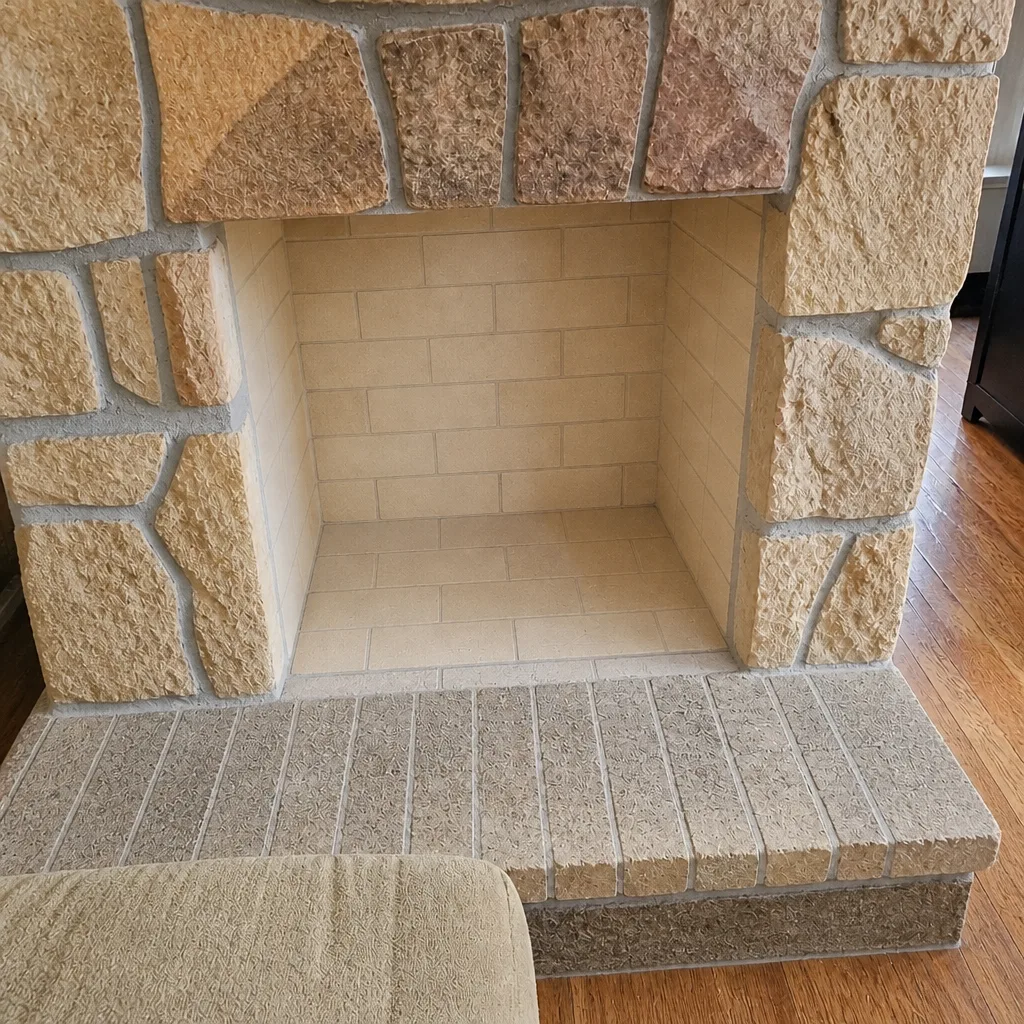
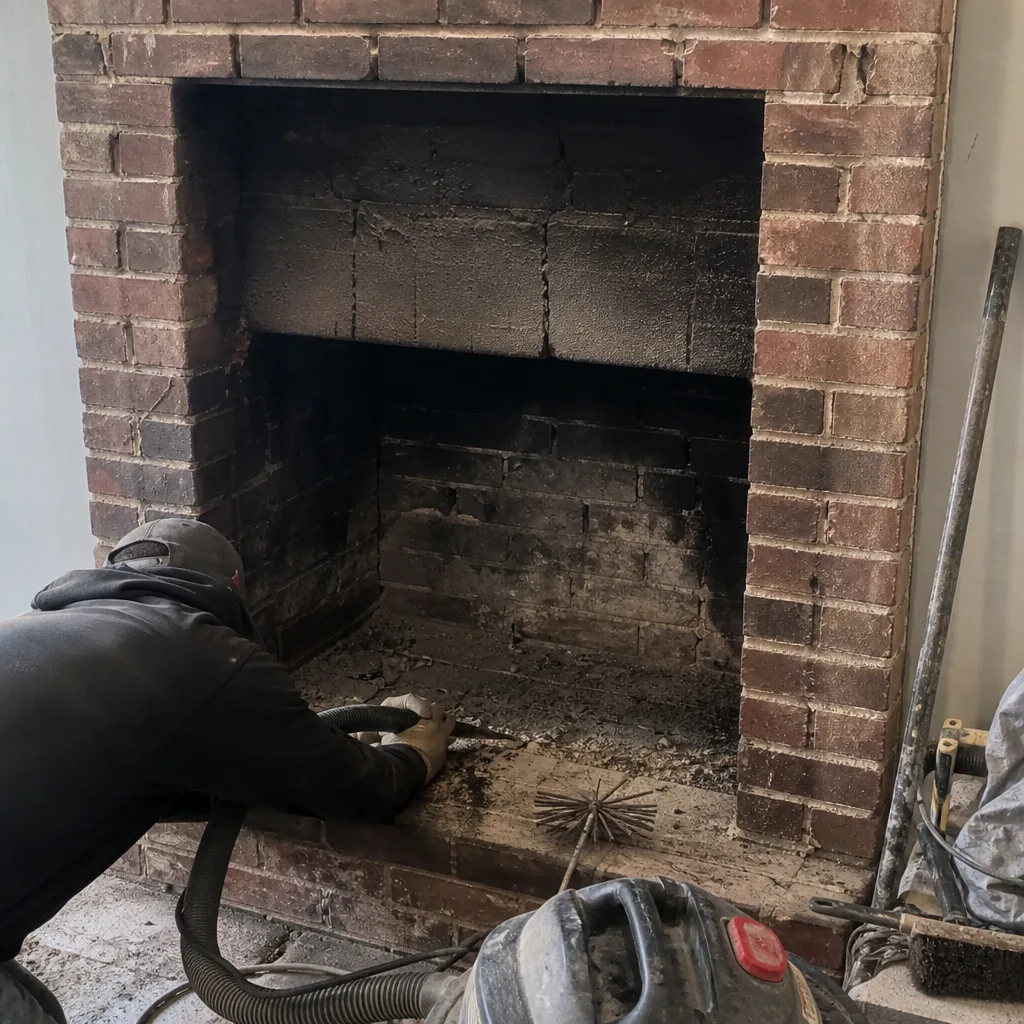
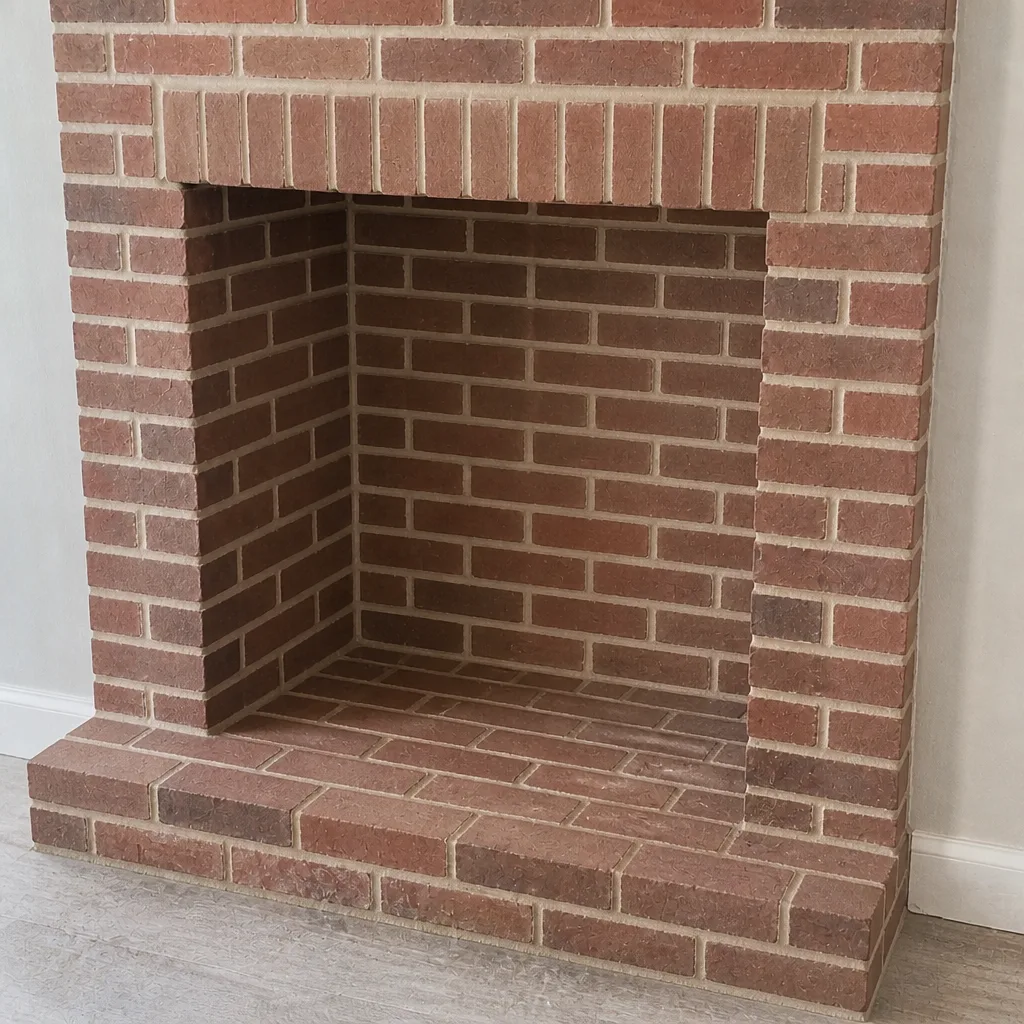
See the difference
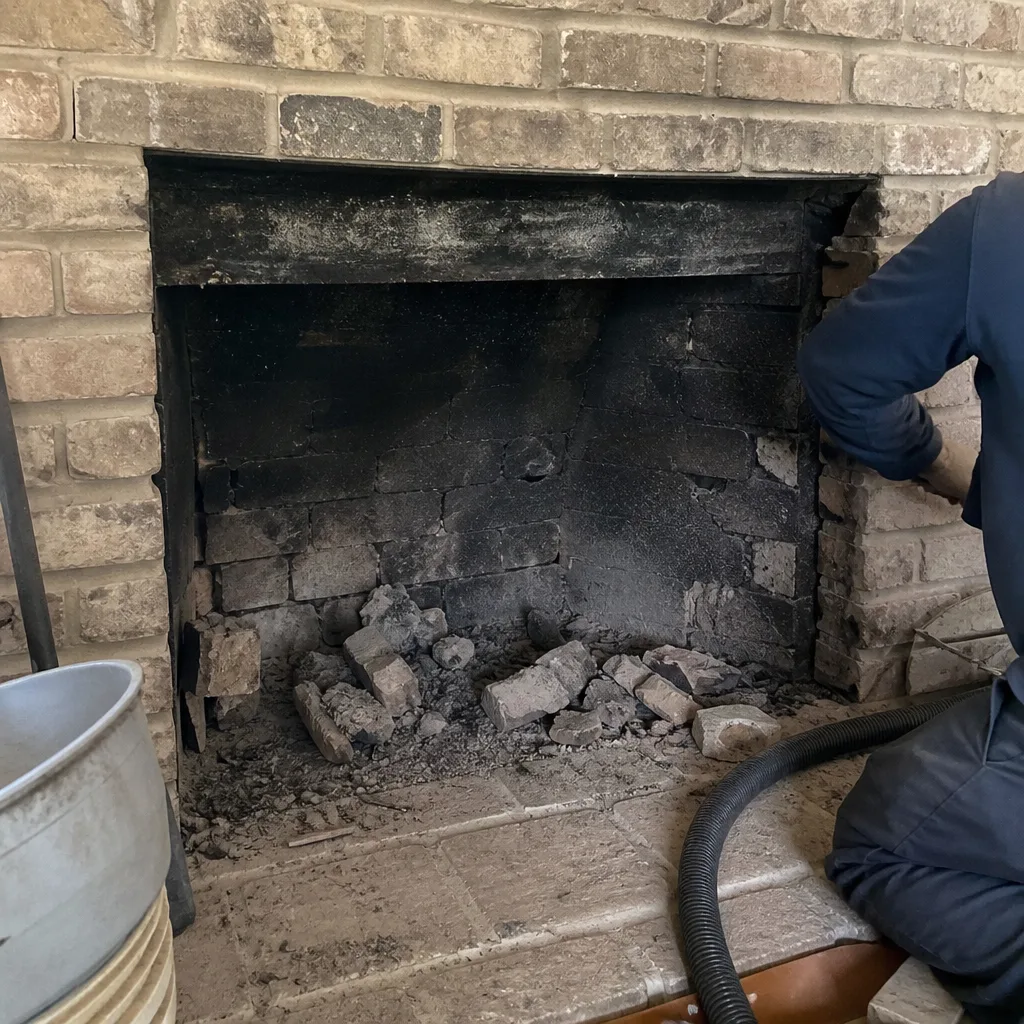 Before
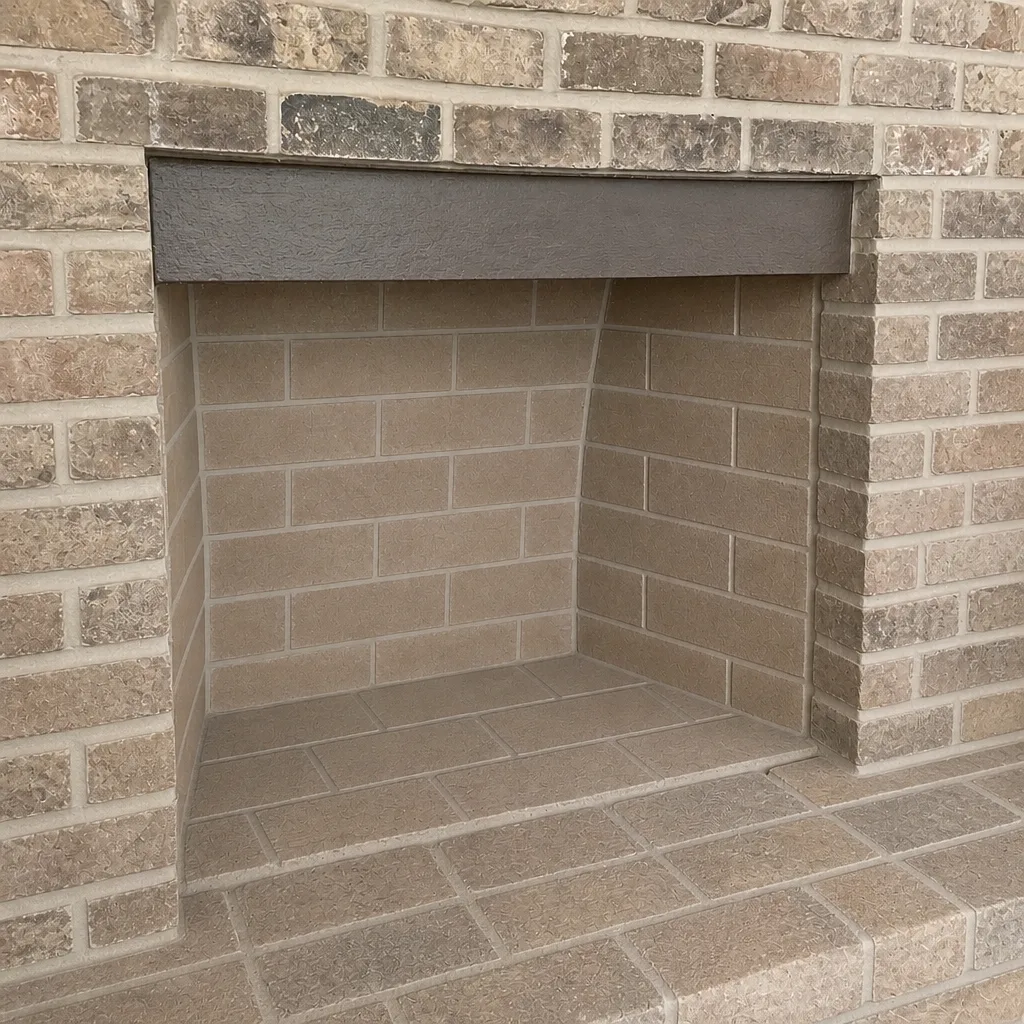 After
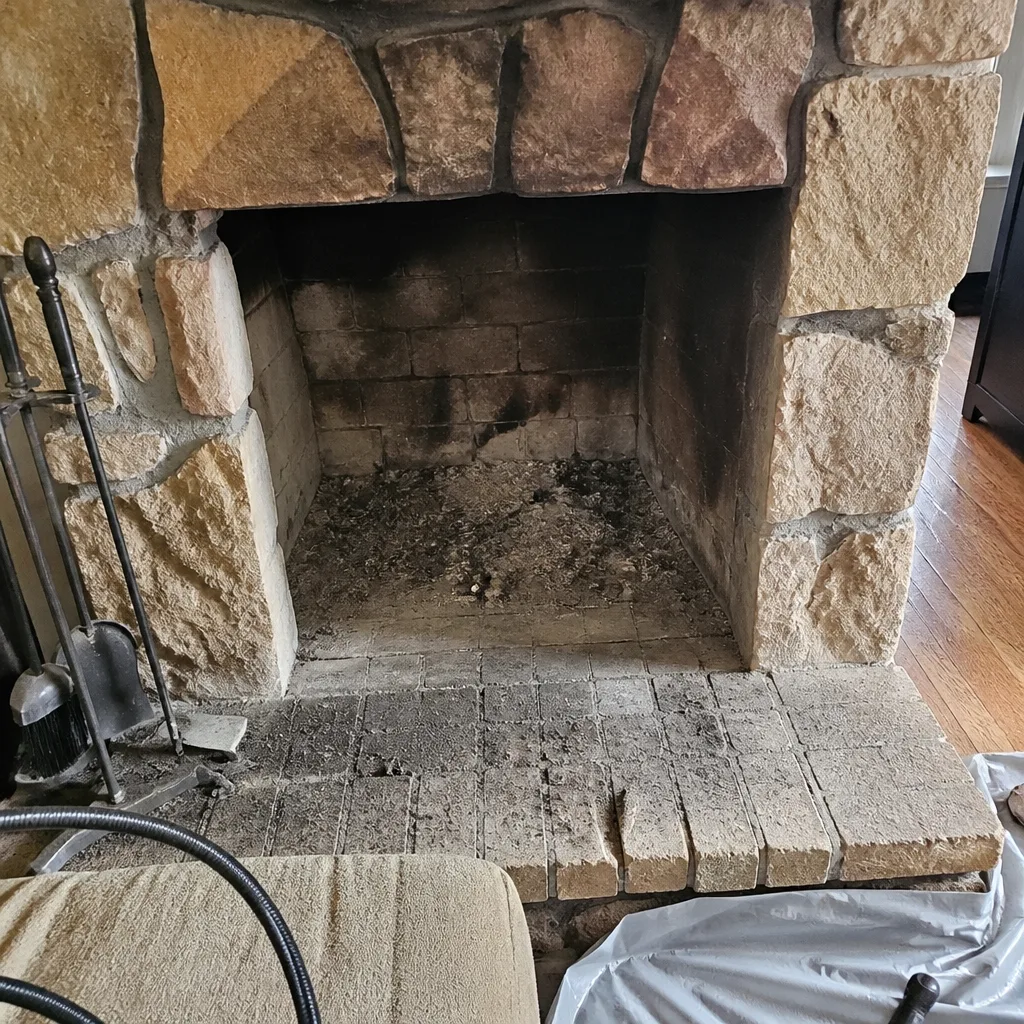 Before
 After
 Before
 After
When to Call a Professional
Some chimney work is a call you make today, and some is a call you make before the next heating season. Call a professional when you’ve had a chimney fire – even a small one, and even if the fire went out on its own. Call when you’re buying or selling a home in Riverton and need a Level 2 inspection for the transaction. Call after an earthquake, a structural repair near the chimney, or any event that could have damaged the flue. Call when you see cracked or spalled masonry, a damaged crown, dark staining on the chimney exterior, or a cap that’s loose or missing. Call when the damper doesn’t operate smoothly, when smoke backs into the room, or when you’re changing fuel types or appliances. Call when the creosote buildup is heavy enough that a sweep is overdue. And call before any liner, masonry, or appliance work begins, so the permit question gets answered before the work does.
The high-tension parts of a chimney system and the electrical and gas connections that feed it are not DIY territory. A trained professional handles them because the failure modes are fire and carbon monoxide, not inconvenience. Chimney Sweep Riverton offers free estimates in Riverton – call (833) 468-5704 to book an assessment and a documented inspection.
Frequently Asked Questions
No. A routine chimney cleaning and sweep does not require a permit in Riverton. Permits apply to work that changes the structure of the chimney system – liner replacement, masonry repair, appliance connections, and in some cases cap and crown replacement on a full scope. If you’re unsure which side of the line your job falls on, ask before booking. Call (833) 468-5704 for a free estimate and a straight answer on the permit question.
A Level 2 inspection is required by NFPA 211 for real estate transactions, which incorporates into Utah’s adopted building code. In practice, this means buyers and sellers should expect a Level 2 as part of the transaction, and it’s also required after a chimney fire or any event that may have damaged the flue. Skipping it usually means the buyer’s inspector finds the issue anyway, at a worse moment for the seller. Call (833) 468-5704 to schedule a documented Level 2 inspection.
Unpermitted work becomes a disclosure issue at sale, a possible coverage question for your insurer if a fire occurs, and a remediation cost that exceeds doing it right the first time. The remedy is to document what’s there, correct anything non-compliant, and pull the permit retroactively where the permitting office allows. The first step is a documented inspection so you know what you’re dealing with. Call (833) 468-5704 to book one.
The stricter requirement controls. NFPA 211 is the national standard for chimneys and solid fuel appliances, and Utah’s adopted building code references it. Where the code asks for more than the standard, the code governs because it has legal force in Riverton. A professional working to the strictest reading of both is the safe path. Call (833) 468-5704 if you want the code requirements for your specific chimney clarified before work begins.
Timelines vary, but straightforward residential building permits for chimney work often move through plan review and issuance in a few weeks, and mechanical permits are frequently quicker. The permitting office is the authority on any specific application. Build permit time into your schedule rather than expecting to start immediately. Call (833) 468-5704 to discuss your scope and get an estimate.
It depends on the actual condition of the flue interior, which is why a video scan and documented inspection come first. HeatShield ceramic resurfacing can restore a compromised liner without a full reline when the damage is limited, while a DuraFlex flex liner is the right answer when the clay tile is cracked through or the gaps are too large. Nothing is recommended without camera evidence you can see for yourself. Call (833) 468-5704 for an honest read on which your flue needs.
The Bottom Line
Routine chimney cleaning in Riverton doesn’t need a permit. Repairs, relining, masonry work, and appliance connections do – and the permit is the difference between work that’s documented and work that’s a liability. Utah’s adopted building code and NFPA 211 work together, with the stricter rule governing, and a Level 2 inspection is legally required for real estate transactions and after any event that may have damaged the flue. Unpermitted work surfaces at the worst moment – the sale, the claim, the inspection – and always costs more to fix than to do right. If you’re in the repair zone, get the permit and the inspection. If the flue is fine, a documented report says so, and you can file it. Call (833) 468-5704 for a free estimate. We answer 24/7. Fast dispatch from 7am to 7pm, Sunday through Friday.
Schedule a Documented Inspection in Riverton
Whether you’re buying a home, planning a liner replacement, or just need to know what condition your chimney is actually in, the first step is an assessment you can trust and a report you can keep. We start every job with a camera scan and a written condition report, recommend only what the evidence supports, and handle the permit and materials as part of the same scope. From the firebox to the cap, every component falls within our scope – sweep, fireplace repair, reline, resurface, or protect with a properly fitted cap and crown. Call Chimney Sweep Riverton at (833) 468-5704 for a free estimate. We answer 24/7. Fast dispatch from 7am to 7pm, Sunday through Friday. Our technicians have up to 9 years of experience, and we’re glad to put that experience to work on your chimney. For general chimney care beyond this guide, see our Chimney Sweep Riverton overview.
Written by the team at Chimney Sweep Riverton.