
Last updated November 24, 2026
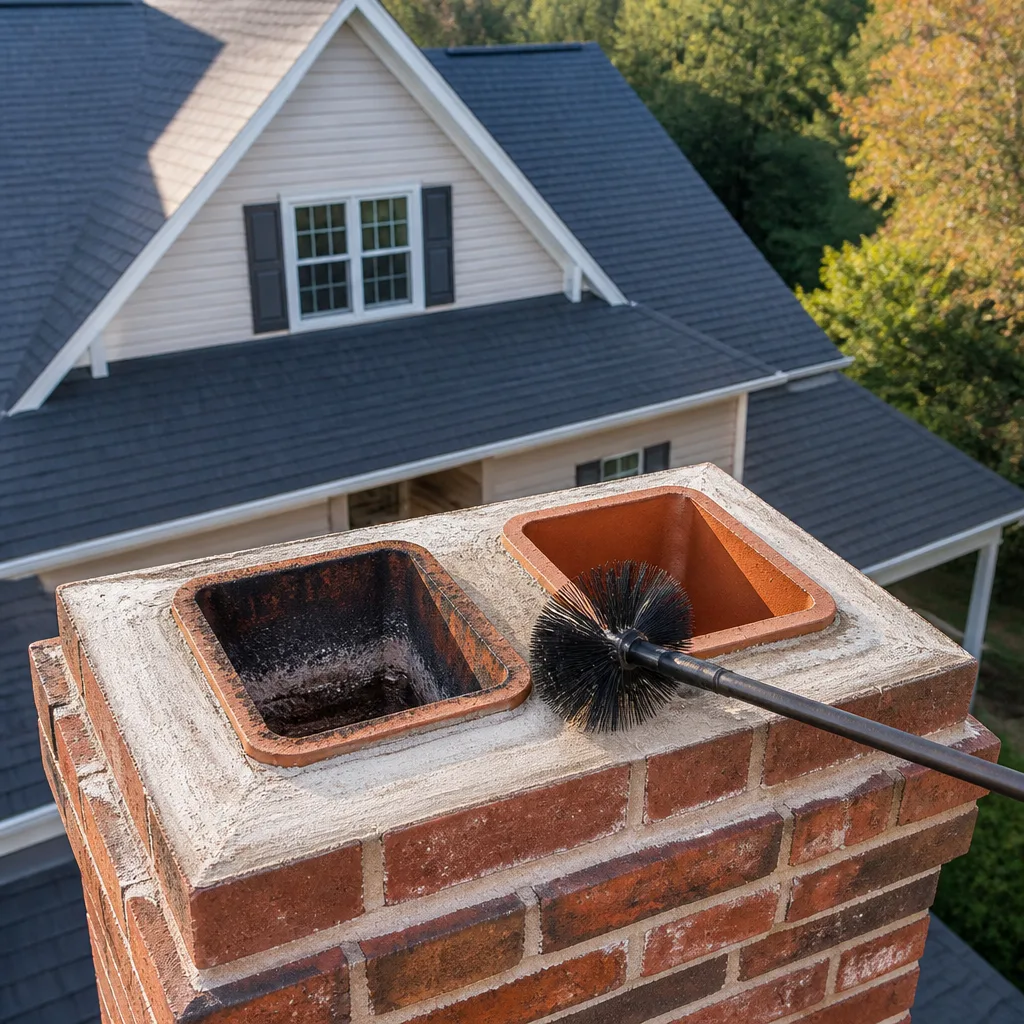 Sweep & inspection
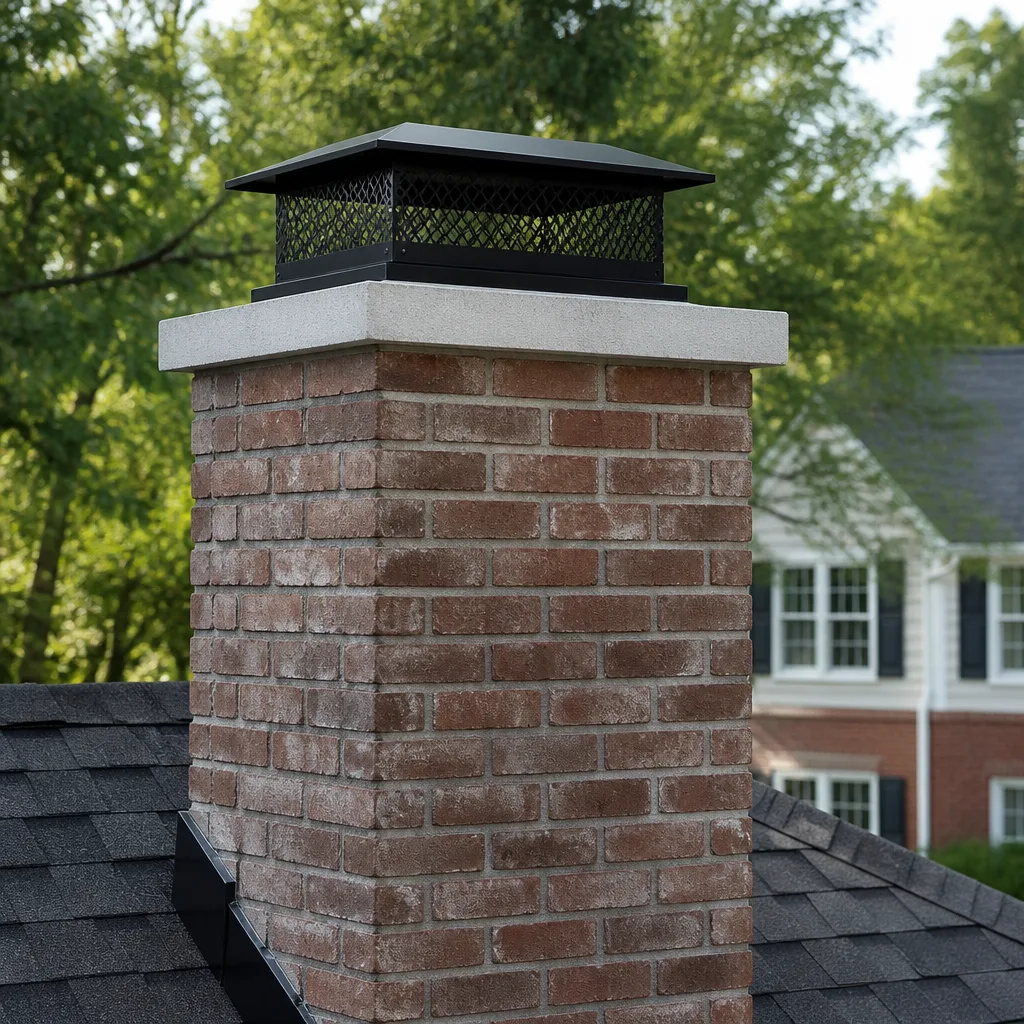 Caps & crowns
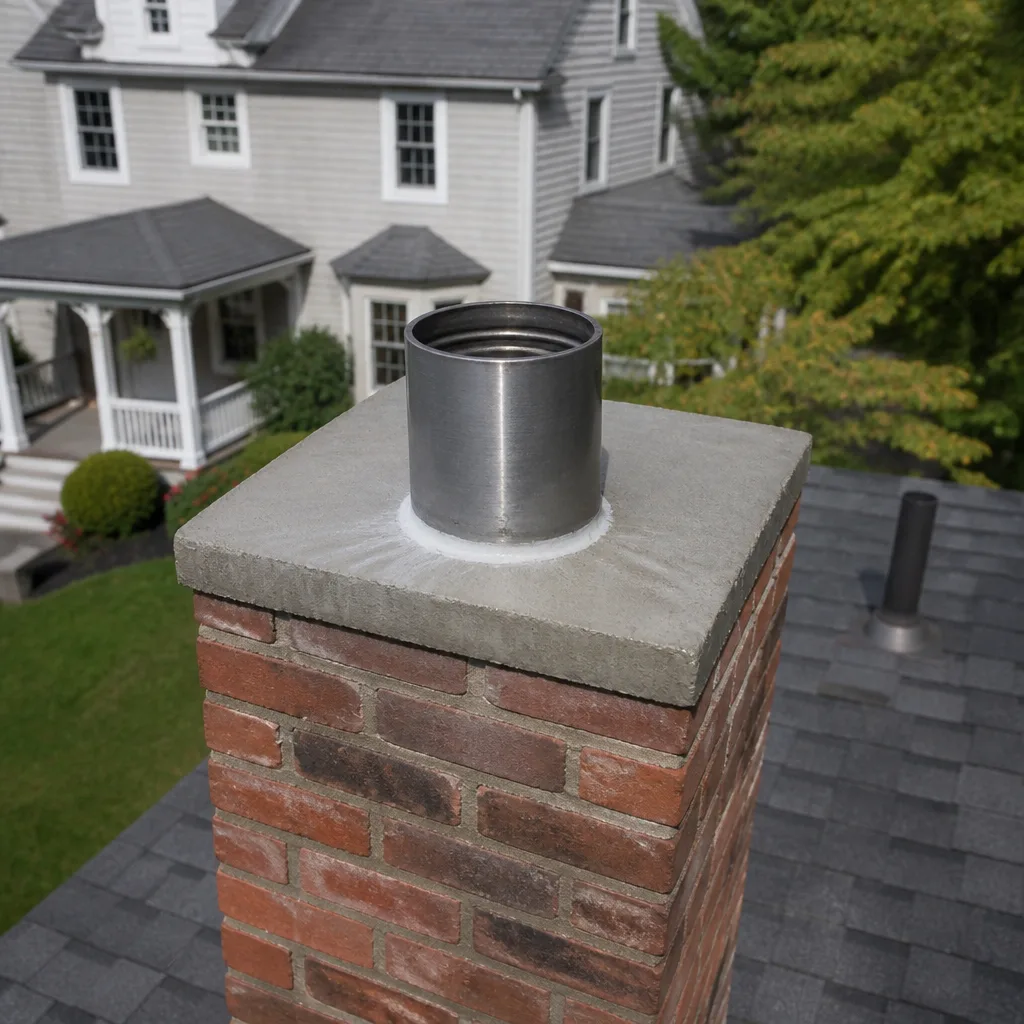 Flue relining
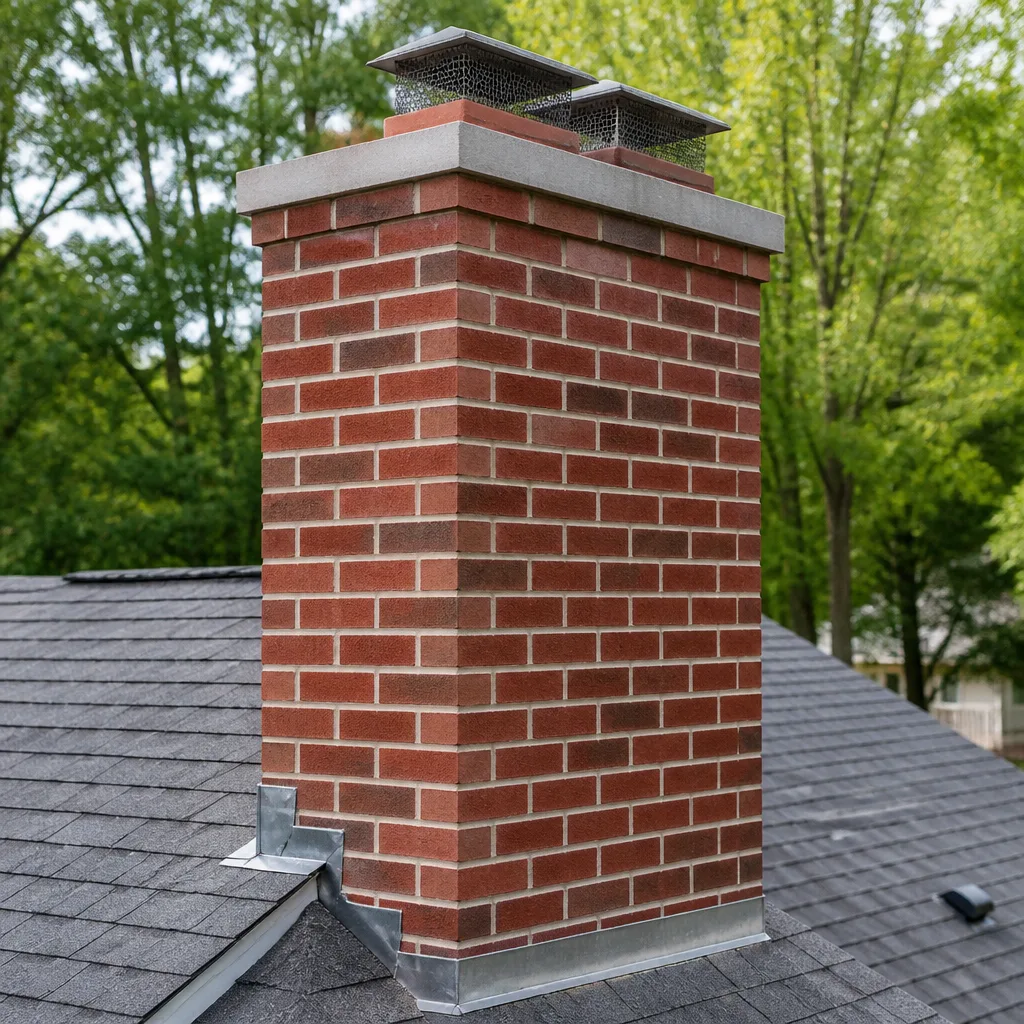 Masonry repair
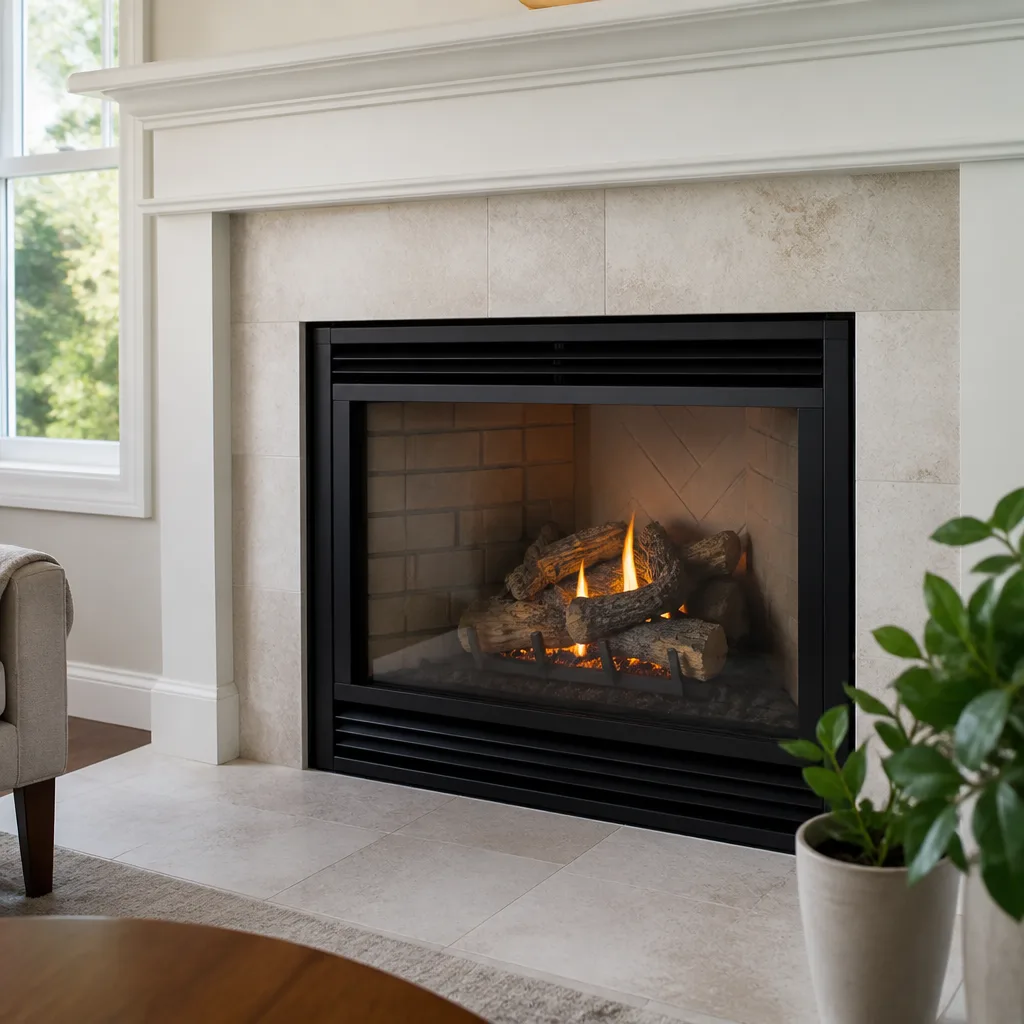 Gas fireplace service
Level 1 sweep and inspection to the NFPA 211 annual standard - flue, crown, cap, and flashing checked and photographed
Chimney sweep logs do not sweep chimneys. They loosen some creosote - which then falls where a brush and vacuum still have to collect it.
Chimney Cleaning Emergency Preparedness Guide for Riverton Homes
A chimney fire doesn’t always look like a fire. Most people picture flames roaring out the top of the flue, but the more dangerous event is the slow, quiet one: creosote igniting inside the chimney and burning at temperatures above 2,000°F, hot enough to warp a metal liner or crack masonry tile, with nothing visible from the driveway and nothing audible from the living room. Homeowners in Riverton go whole seasons without knowing it happened until a sweep finds the damage. This guide covers the three genuine chimney emergencies, how to spot each, what to do in the first minutes, and how to prepare before anything goes wrong.
Quick Answer
Chimney emergencies fall into three categories: chimney fires, carbon monoxide events, and structural failures. For a chimney fire, call the fire department, close the damper and the firebox doors, cut off the air supply, and get everyone out of the house. For a carbon monoxide alarm, leave the building and call 911. For signs of structural damage after a storm or earthquake, stop using the fireplace and get a Level 2 inspection before lighting another fire.
Styles & brands we work with
- Sweep & inspection
- Caps & crowns
- Flue relining
- Masonry repair
- Gas fireplace service
Table of Contents
- The Three Chimney Emergencies and How They Differ
- How to Identify a Chimney Fire in Progress
- What to Do Step by Step When a Chimney Fire Starts
- Carbon Monoxide and Your Chimney
- Structural Failure: What You Can See From Outside
- Post-Emergency Documentation and Insurance
- Preparing Before the Next Burning Season
- When to Call a Professional
The Three Chimney Emergencies and How They Differ
All three chimney emergencies involve the same structure, but they demand different responses, and mixing them up costs time you don’t have. A chimney fire is a combustion event inside the flue. A carbon monoxide event is a venting failure that pushes combustion gases into living space. A structural failure is a break in the physical chimney, usually after a weather event or from long-term water damage. Understanding which one you’re facing changes everything about the next five minutes.
A chimney fire is the one people prepare for mentally, though rarely well. It can start in a flue lined with glazed creosote, the hard, shiny, tar-like deposit that builds up from repeated burns with restricted air. Creosote at that stage ignites readily and burns hot enough to damage the liner. In our experience across Riverton, homes that burn green or unseasoned firewood accumulate that glazed layer faster than homeowners expect, and the flue often looks fine until someone gets a camera inside it.
A carbon monoxide event is quieter, has no visible flame, and can develop overnight. Blockages from nesting birds, cracked liner tiles, or a reversed draft in a tight, well-sealed house can all push exhaust back into the room. Dogs and cats sometimes show symptoms before people do.
A structural failure is the event most homeowners completely overlook. Utah sits in an active seismic zone, and the brick or stone above a roofline takes stress during earthquakes and high winds. Loose brick, a leaning stack, or a cracked crown can create both a safety hazard overhead and a path for water and exhaust into the home. The correct response differs completely from a chimney fire: no water, no operation of the fireplace, and a call for inspection.
Preparedness means knowing all three exist, being able to identify the signs of each, and having a plan for the first actions. That’s what the rest of this guide covers.
How to Identify a Chimney Fire in Progress
Chimney fires aren’t a single event with a single look. A chimney fire can be audible, visual, or almost silent, and the presentation tells you how urgently to act. The three indicators that matter most:
- Loud roaring or rumbling: A sound like a freight train or a deep, sustained rumble inside the chimney is a fast, hot fire that needs the fire department immediately. This is the loud version people recognize, and it’s often the most dangerous in the short term because it can spread to framing in minutes.
- Dense smoke or sparks from the top: Black or dark gray smoke pouring from the chimney cap, sparks visible from the roofline, or a visible glow inside the flue. Get everyone out and call 911.
- The “low, slow burn”: No sound, no visible smoke, no smell of fire in the house. This is the quiet version: creosote combusting gradually at temperatures above 2,000°F. Homeowners typically discover it through a next-season inspection that finds heat damage to the liner, cracked tiles, or a warped metal cap. This category is why annual sweeping matters so much in Riverton, where cold winters mean long burning seasons and layered creosote buildup.
There’s a fourth indicator that’s easy to dismiss: a strong, hot smell in the house, puffs of smoke coming back through the firebox, and the fireplace glass or firebox doors suddenly too hot to touch. When the flue is on fire, the fireplace sometimes puffs a little smoke into the room because the pressure inside the chimney is dropping and the draft is reversing. If your fireplace is behaving this way while a fire is burning, treat it as an active chimney fire.
What this means in practice: any of these signs should be treated as a chimney fire until proven otherwise. When in doubt, get out and call the fire department. Inspecting the chimney can wait until the fire is out.
What to Do Step by Step When a Chimney Fire Starts
A chimney fire is a house fire until you know it isn’t. Call the fire department first, always. Then follow these steps in order:
- Call 911. The fire department is trained to handle chimney fires and has the equipment for roof-level access. Don’t wait to see if the fire “goes out on its own.”
- Get everyone out of the house, including pets. Move to a location away from the chimney side of the structure. If there are flames visible on the roof or smoke pouring into the attic, stay out.
- Close the glass doors on the firebox if they’re already closed. If they’re open, close them carefully with a tool. Then close the damper.
- Close the air intake or vent control, if your fireplace or stove has one. Starving the fire of oxygen is the key to slowing it.
Why close the damper instead of adding water? Because water poured into a chimney on fire can flash into steam, which expands rapidly and can crack liner tiles, masonry, or the firebox itself. Water also won’t reach the actual fire on the flue wall. Cutting the air supply is the correct response. Never pour water down the chimney. Leave that call to the fire department.
- Wait for the fire department and don’t re-enter until they tell you the fire is out. Don’t turn off the heat or your home’s gas supply unless the fire department asks you to.
- Do not use the fireplace again until a professional inspection has confirmed the chimney is intact. This is true even if the fire was small, even if the fire department told you the chimney “looked fine” from the roof, and especially true if it was a low, slow burn.
Every step matters, and every step is a thing to rehearse before an emergency. Walk through the sequence mentally with your household once a season. In Riverton, that’s usually a good fall ritual before the first cool night drives everyone back to the fireplace.
Carbon Monoxide and Your Chimney
Carbon monoxide is the emergency with no visible fire. It’s also the reason chimney maintenance in a tightly sealed, modern home is more than a cleanliness issue. Your chimney’s job isn’t just to let smoke out; it’s to establish a draft that pulls combustion gases up and away from the firebox. When that draft fails, those gases have to go somewhere, and the path of least resistance is often into the living space.
The three most common causes of CO migration through a chimney system:
- Blockage: nests, leaf litter, or a collapsed liner section that closes off the flue. A clogged chimney can send exhaust straight back into the house through the firebox and into the room.
- Draft failure: a chimney that’s too short, improperly sized, or cold-soaked, or a home so tightly sealed that there isn’t enough makeup air to sustain a proper draft, so the flue pulls air the wrong direction.
- Liner damage: cracked or missing clay tiles or a rusted-out metal liner that lets exhaust sneak into wall cavities or attics, which then migrate into rooms through gaps.
Warning signs that CO is present include headache, dizziness, nausea, and confusion that clear when the affected person goes outside. Pets are often affected first. If your carbon monoxide alarm sounds, get everyone out, call 911, and don’t re-enter until the fire department clears it. If your alarm has never been tested, check it now and put fresh batteries in before the next cold snap. A working CO alarm on every level of the home with bedrooms is the single best defense against this category of emergency.
Structural Failure: What You Can See From Outside
Chimney structural emergencies are often visible from the ground before they become catastrophic. Because Utah is an earthquake-prone region, the mortar joints, brickwork, and cap on a Riverton chimney are under more stress over the years than homeowners realize. A chimney is a tall, narrow, heavy structure; it doesn’t flex, and it can slowly lean, crack, or shed components without any obvious warning inside the house.
What to look at from the driveway, at least once a season and always after an earthquake, a windstorm, or a heavy snow load:
- Brick or stone shifting or spalling: pieces flaking off, brick faces peeling, or an obvious lean in the stack. A leaning chimney is a call-now situation.
- Cracked or crumbling crown: the cement cap at the top of the chimney. Cracks let water in, and water expands when it freezes, which accelerates the deterioration through another winter.
- Loose or missing chimney cap: a properly fitted cap keeps rain, snow, birds, and debris out. A missing cap lets water in from above and nests build inside the flue, which creates a blockage in the making.
- Displaced flashing: the metal or membrane sealing the chimney where it passes through the roof. When flashing pulls away, water runs down the outer face of the chimney and into the attic and ceilings.
- White staining (efflorescence) on the exterior: this indicates moisture moving through the masonry, which is the slow-decay problem that eventually leads to spalling and cracking.
After an earthquake or a severe storm, a chimney inspection is not optional. Any visible structural damage means stop using the fireplace, call a professional, and don’t relight until the inspection clears the system. If you can see it from the ground, the damage inside is usually worse.
Post-Emergency Documentation and Insurance
After a chimney fire or a carbon monoxide event, homeowners usually have two tasks: make the house safe and handle the insurance claim. The claim part is easier with the right paperwork, and the paperwork starts with an inspection report. Insurance adjusters need a documented condition of the chimney before and after, and a selfie of the firebox won’t work.
A Level 2 inspection is the standard for post-emergency documentation. It includes:
- A visual inspection of every accessible portion of the chimney and venting system, including inside the firebox, up the flue, and through accessible attic and crawlspace areas.
- Video camera scanning of the interior of the flue, which is what catches cracked tiles, voids in mortar joints, and liner damage invisible from the ground or the firebox.
- A documented report with photos and a written description of the chimney’s condition, which is what an insurance adjuster actually wants to see.
A Level 2 inspection provides what a visual check from the ground cannot: interior evidence. After a chimney fire, that evidence is the difference between an insurer approving a liner replacement and denying a claim for lack of documentation. Keep the report with your home records. In our experience, homeowners who have a pre-season inspection report on hand are in a much stronger position than those trying to reconstruct a chimney’s prior condition after the fact. If you’ve recently purchased an older Riverton home, a Level 2 inspection before your first burning season gives you that baseline.
Preparing Before the Next Burning Season
Preparedness isn’t just what you do during an emergency. What you do in October determines, more than anything, what happens in January. In Riverton, the burning season is long, which means creosote has plenty of time to build. The best defense is a chimney system that’s been assessed and cleaned before you strike the first match.
The seasonal checklist:
- Schedule a chimney sweep and inspection before the first burn. A sweep without an inspection is half a service. We document what we find, so you know the condition of your flue rather than assuming.
- Test every carbon monoxide alarm and every smoke detector and replace the batteries. Put an alarm on every level with bedrooms.
- Burn dry, seasoned firewood. Wet wood creates more creosote and more smoke. Stack it off the ground and cover it from rain and snow, and give it at least a full season to dry.
- Never burn trash, wrapping paper, or treated wood. They leave residue and can burn far hotter than the firebox was designed for.
- Have the chimney cap and crown checked. A properly fitted, well-sealed cap and a sound crown are the first line of defense against water intrusion, which destroys masonry from inside. We carry and install sizes from Olympia Chimney, Famco, and Copperfield to match the flue properly rather than reaching for a one-size-fits-all piece.
- Walk the exterior once a season, with binoculars if you need them, looking for the structural warning signs covered above. Check again after any earthquake or severe storm.
- Plan for repair before the problem gets urgent. If a sweep finds interior liner damage that hasn’t progressed to a full reline, we can often use HeatShield ceramic resurfacing to restore the flue interior instead. Where the liner itself is compromised, a DuraFlex flexible liner system may be the right path. The point is to know which one your flue actually needs, rather than waiting for an emergency to decide.
For a full breakdown of the routine work, see our page on chimney sweep services. If you’re already seeing damage in the firebox or brickwork, our chimney repair page covers the scope. For fireplace-level issues like cracked refractory panels or a damaged damper, fireplace repair is the right place to start.
When to Call a Professional
Some chimney work is routine. Some is urgent. These are the scenarios that call for a professional now, not later:
- Any chimney fire, even if it seemed brief or minor. Damage is often inside the flue where you can’t see it.
- A carbon monoxide alarm that has sounded in a home with a wood-burning or gas appliance, once the fire department has cleared the scene.
- Visible structural damage: a leaning stack, loose brick, a cracked crown, or displaced flashing.
- A chimney that smells of smoke even when it’s not in use, which can indicate a draft or blockage problem.
- Water staining on ceilings, walls, or the exterior of the chimney, which suggests a cap, crown, or flashing failure.
- Any inspection that turns up interior liner damage, so you can talk through whether resurfacing or relining is the correct fix.
- After a purchasing inspection on an older home, or after any earthquake or severe storm in the Riverton area.
Chimney Sweep Riverton offers free estimates in Riverton: call (833) 468-5704. We answer 24/7. Fast dispatch from 7am to 7pm, Sunday through Friday. From a routine annual sweep to a post-fire inspection to cap and crown work, our technicians (up to 9 years of experience) handle the assessment, materials, and installation in one place. Learn more at Chimney Sweep Riverton.
Common Mistakes to Avoid
- Pouring water into a chimney on fire. Water flashes into steam, which can crack liner tiles and masonry. Close the damper and air intake instead, get out, and let the fire department handle it.
- Assuming a chimney fire left no damage because there was no visible flame. The low, slow burn can damage a liner completely without anyone seeing it. Only an inspection catches that.
- Skipping the inspection because the sweep was just done. A cleaning and an inspection are different services. A sweep clears buildup; an inspection documents what the interior and exterior actually look like.
- Ignoring a missing or ill-fitting chimney cap. Rain, snow, and nesting birds get in through the top. A properly fitted cap is one of the cheapest pieces of long-term protection a chimney has.
- Not checking the chimney after an earthquake or windstorm. Utah’s seismic activity and high-country winds are hard on a brick chimney. Damage at the top of the stack is often invisible from the ground without a careful look.
- Burning wet or green firewood to “make it last longer.” Wet wood creates more creosote, and creosote is the fuel for the next chimney fire. Season it first, every time.
- Treating a carbon monoxide alarm as a nuisance. If the alarm sounds, treat it as a real event. Get out, call 911, and don’t assume the alarm is faulty.
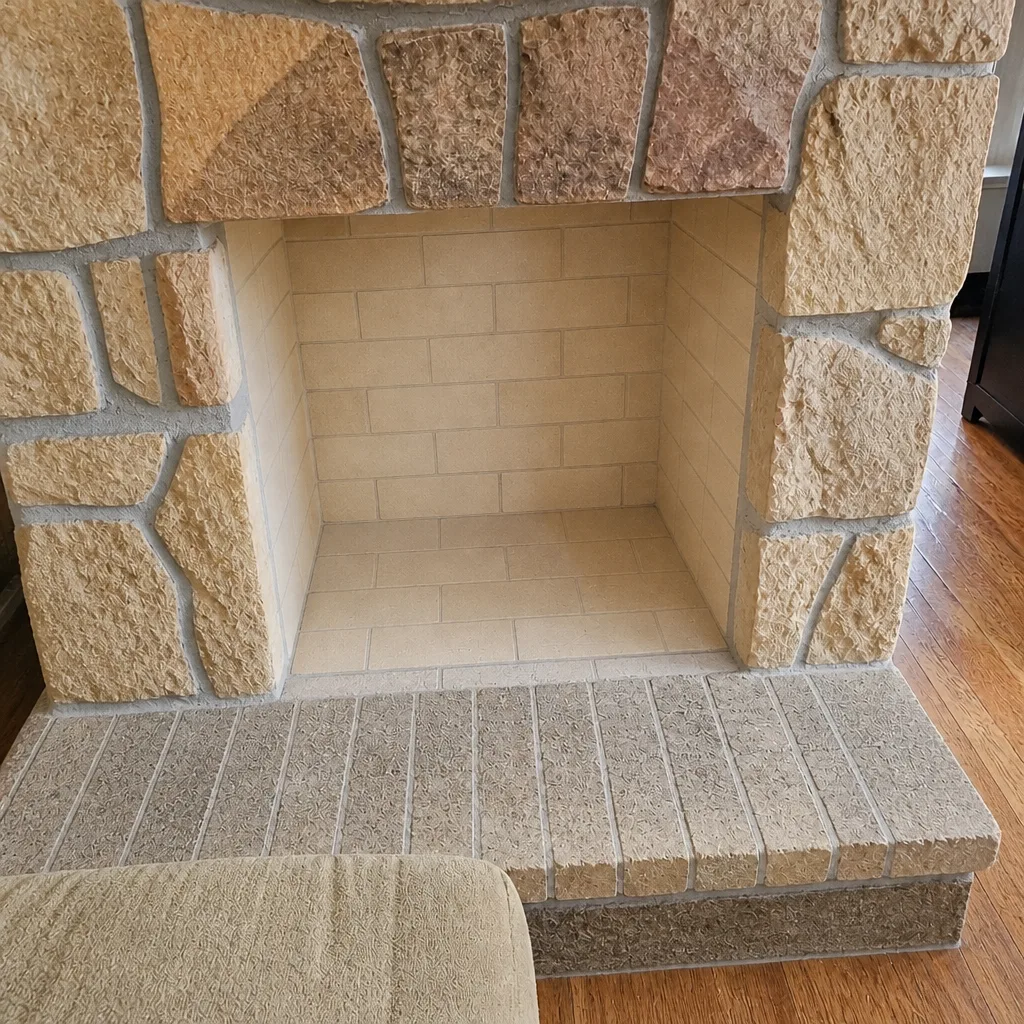
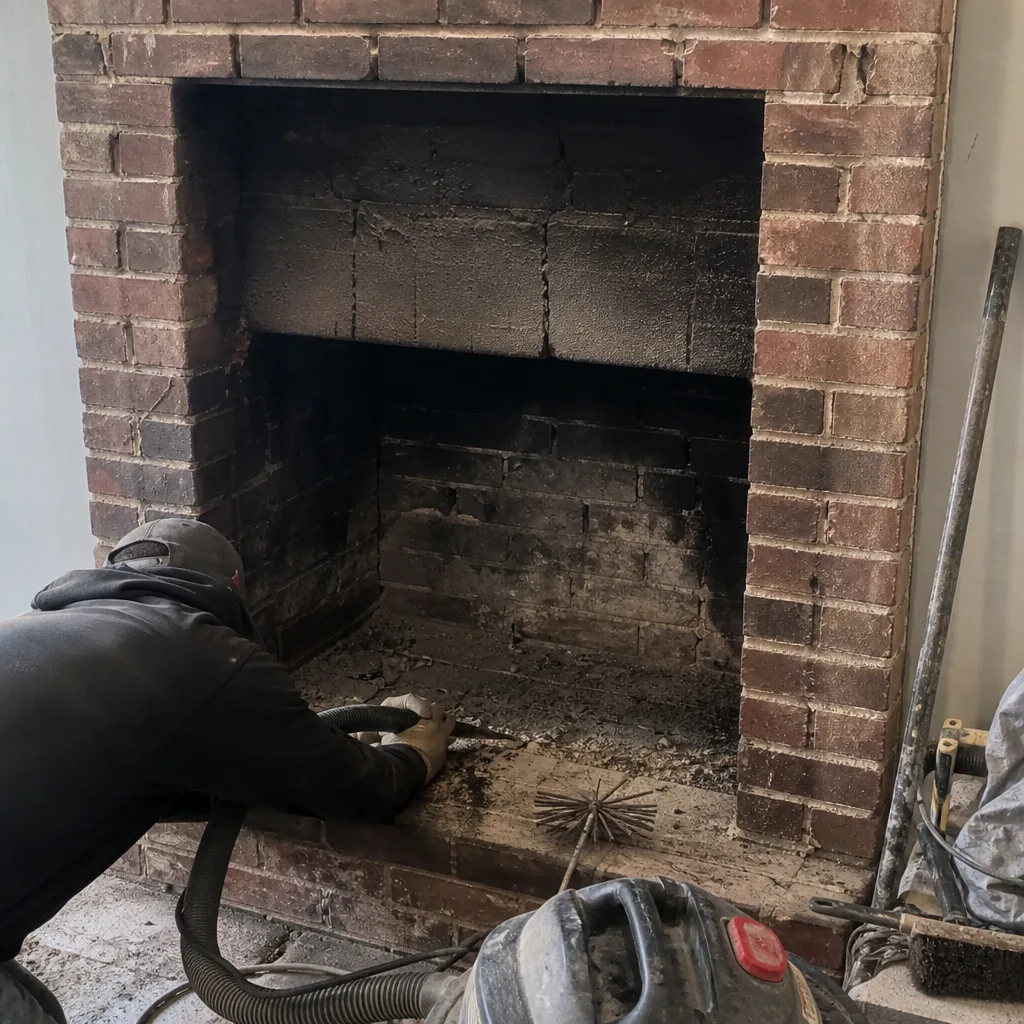
See the difference
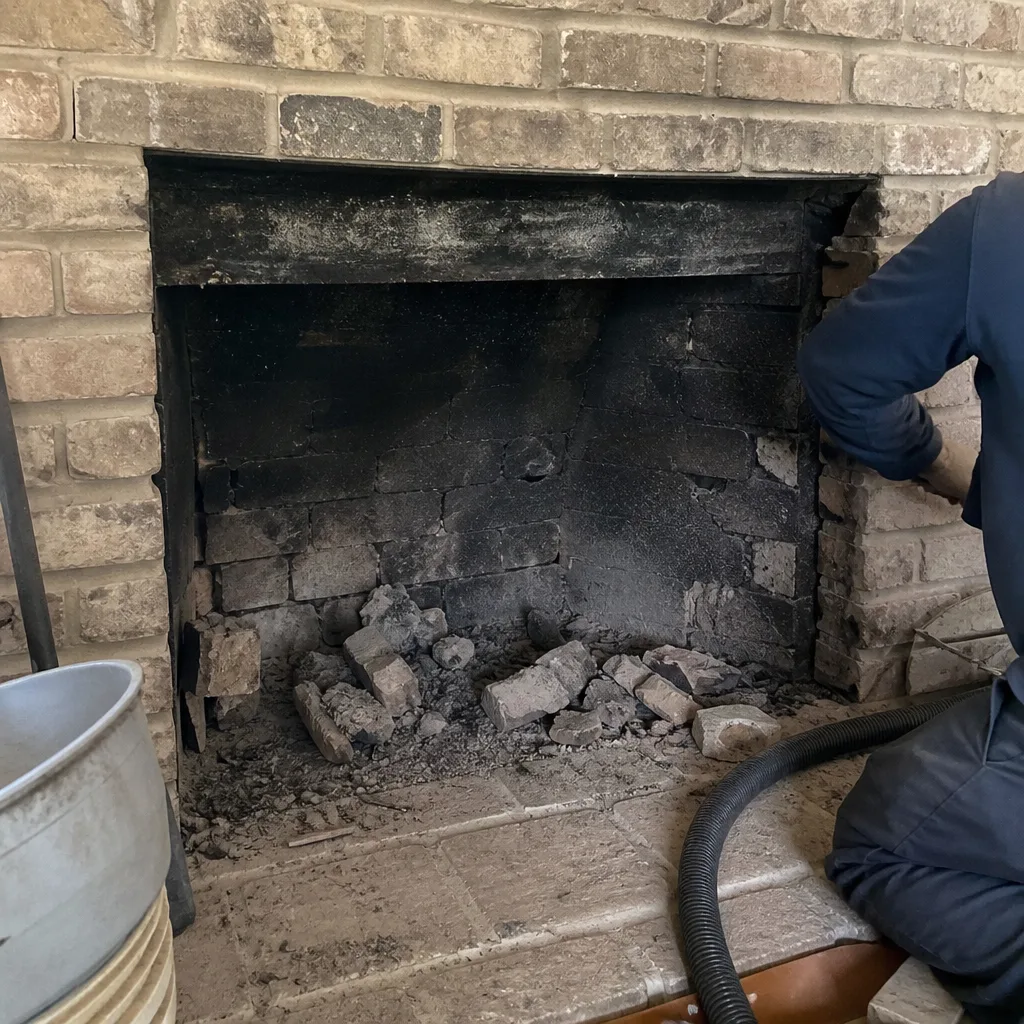 Before
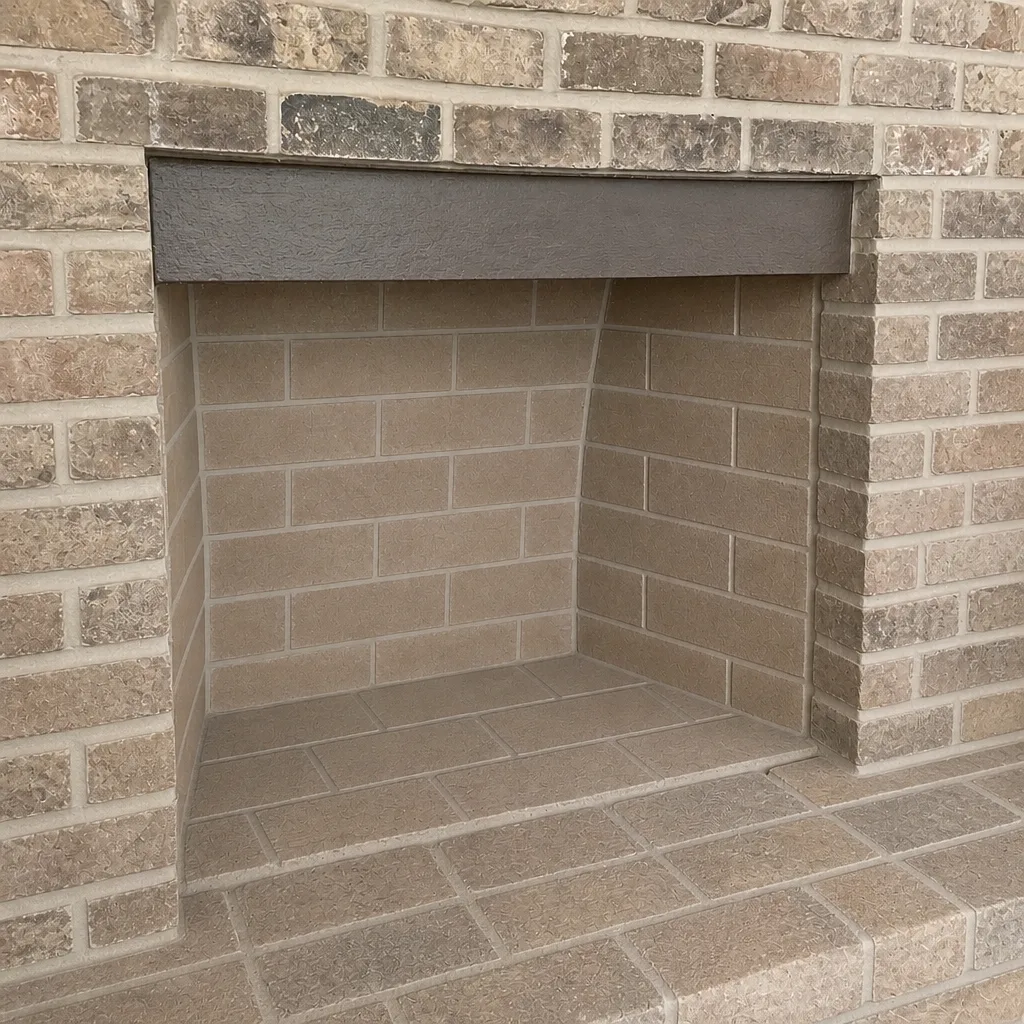 After
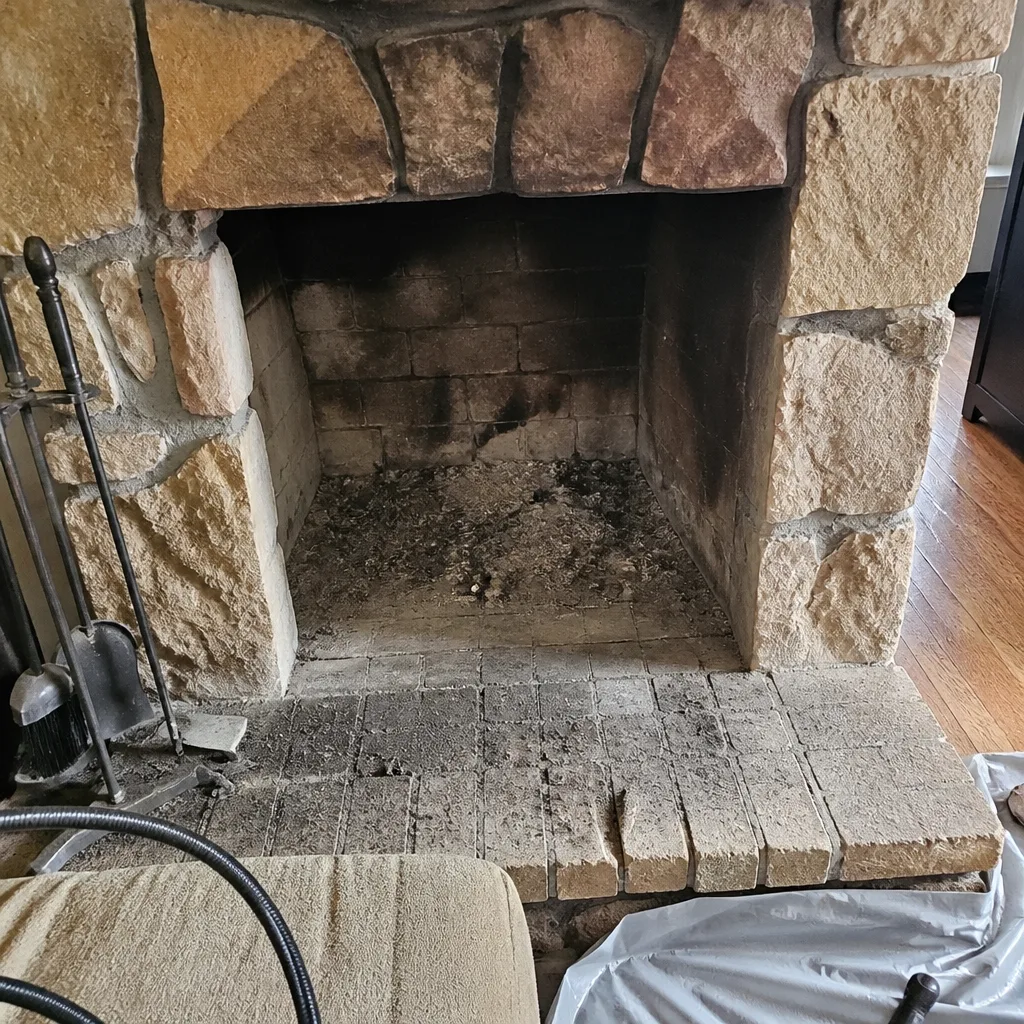 Before
 After
 Before
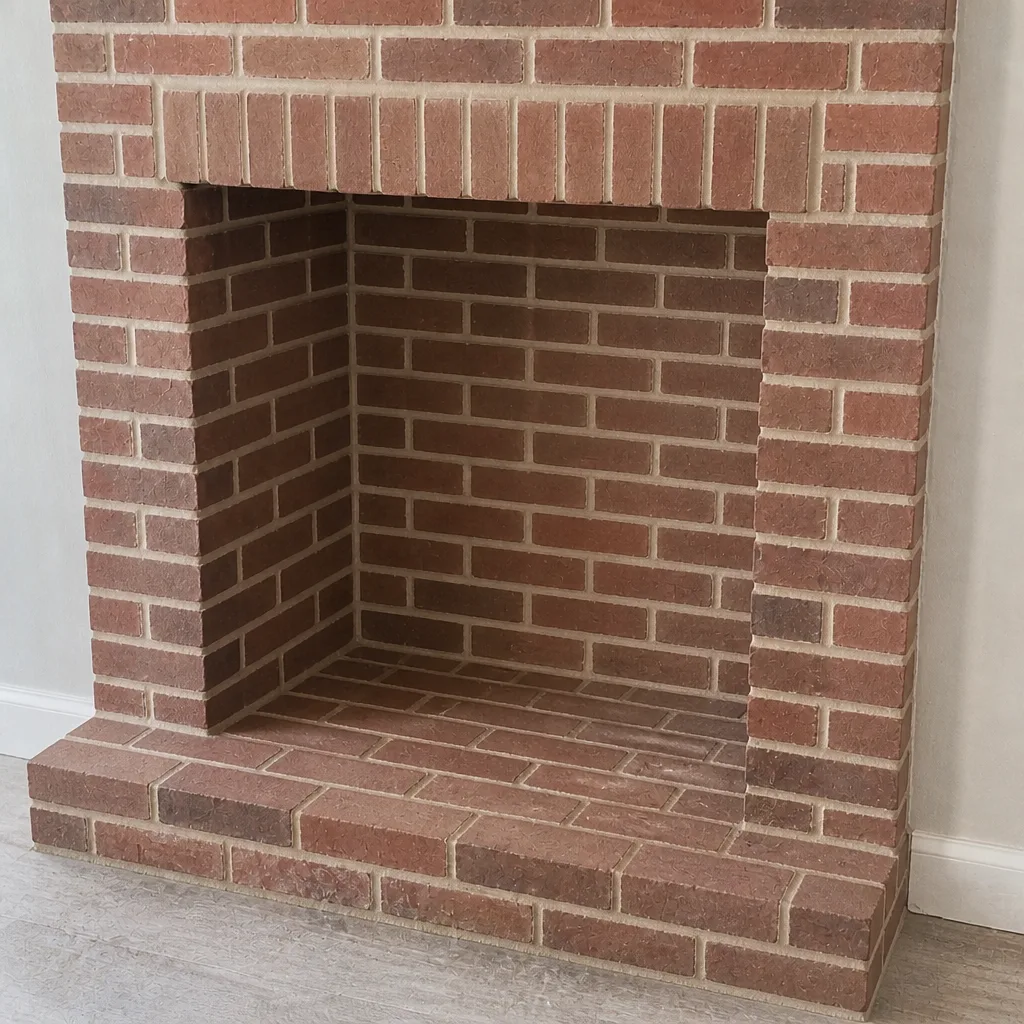 After
Frequently Asked Questions
Call 911 first, then get everyone out of the house. Once everyone is safe, close the damper and the firebox doors to starve the fire of oxygen, and wait for the fire department. Never pour water down the chimney, and never re-enter the house until they tell you it’s safe.
Signs of a past chimney fire include warped or discolored chimney caps, cracked or heat-damaged liner tiles, and glazed or puffy creosote inside the flue, which often only show up during an inspection. If you’ve had a fire and nobody inspected the chimney afterward, get a Level 2 inspection before your next burn. Call (833) 468-5704 for an exact quote; estimates are free.
Yes. Carbon monoxide enters living spaces when the chimney’s draft fails, the flue is blocked, or the liner is damaged. A working CO alarm on every level with bedrooms plus an annual inspection are the two basic defenses against it.
Yes. Any earthquake or severe storm can loosen brick, crack mortar joints, or displace flashing, and those problems are often invisible from the ground. If you see any structural warning signs, stop using the fireplace and get an inspection before relighting.
Many homeowners policies do cover damage from a sudden chimney fire, but the claim stands or falls on documentation. A Level 2 inspection with photos and a written report is what insurers typically ask for after an event. Have the inspection done before filing, and keep the report.
Most wood-burning chimneys should be swept and inspected once a year, and more often if you burn heavily through the winter. Because the burning season in Riverton runs long, an annual pre-season sweep is the most reliable schedule. Call (833) 468-5704 and we’ll set a time.
The Bottom Line
Chimney emergencies in Riverton come in three flavors, and each has its own playbook: for a chimney fire, call 911, close the damper, and get out. For a carbon monoxide alarm, get out and call 911. For structural damage from a storm or earthquake, stop using the fireplace and get a Level 2 inspection. What matters is having a plan before you need one. An annual sweep and inspection in the fall is the simplest way to prevent emergencies. If your chimney hasn’t been checked this season, or if you’ve had a fire and want to know what happened inside the flue, we’re ready to help.
Contact
Chimney Sweep Riverton covers the full chimney lifecycle, from annual sweeps and documented inspections to masonry repair, lining with DuraFlex, ceramic resurfacing with HeatShield, and properly fitted caps from brands like Olympia Chimney and Famco. Reach out to schedule a free estimate: Call (833) 468-5704. We answer 24/7. Fast dispatch from 7am to 7pm, Sunday through Friday.
Written by the team at Chimney Sweep Riverton.