
Last updated November 24, 2026
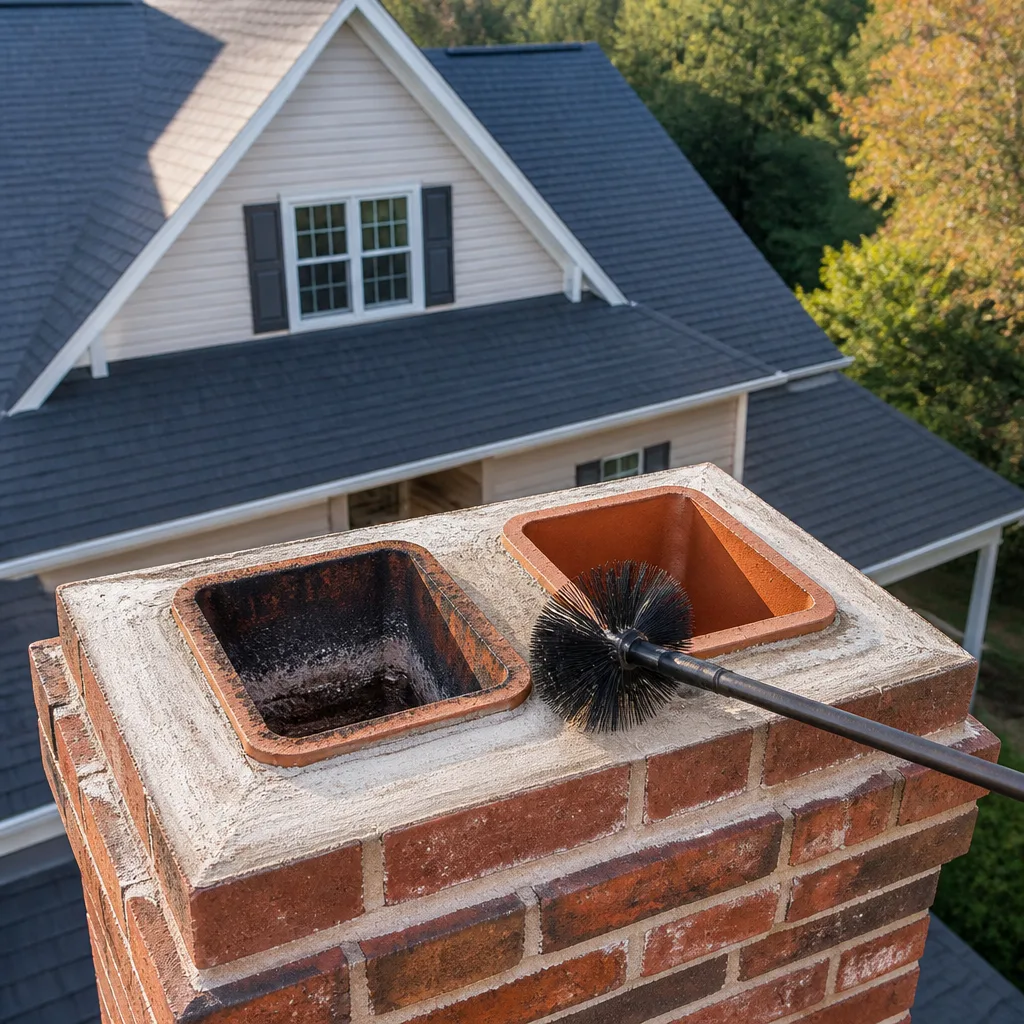 Sweep & inspection
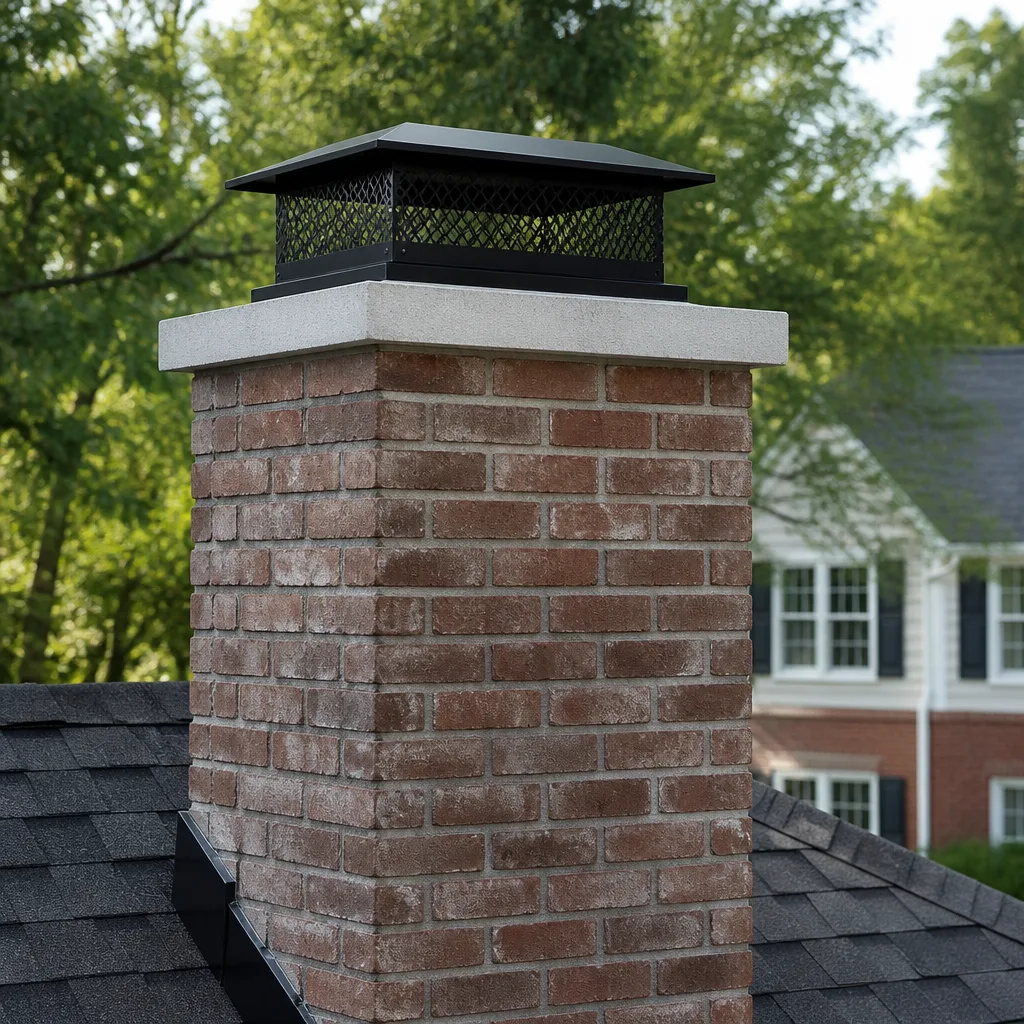 Caps & crowns
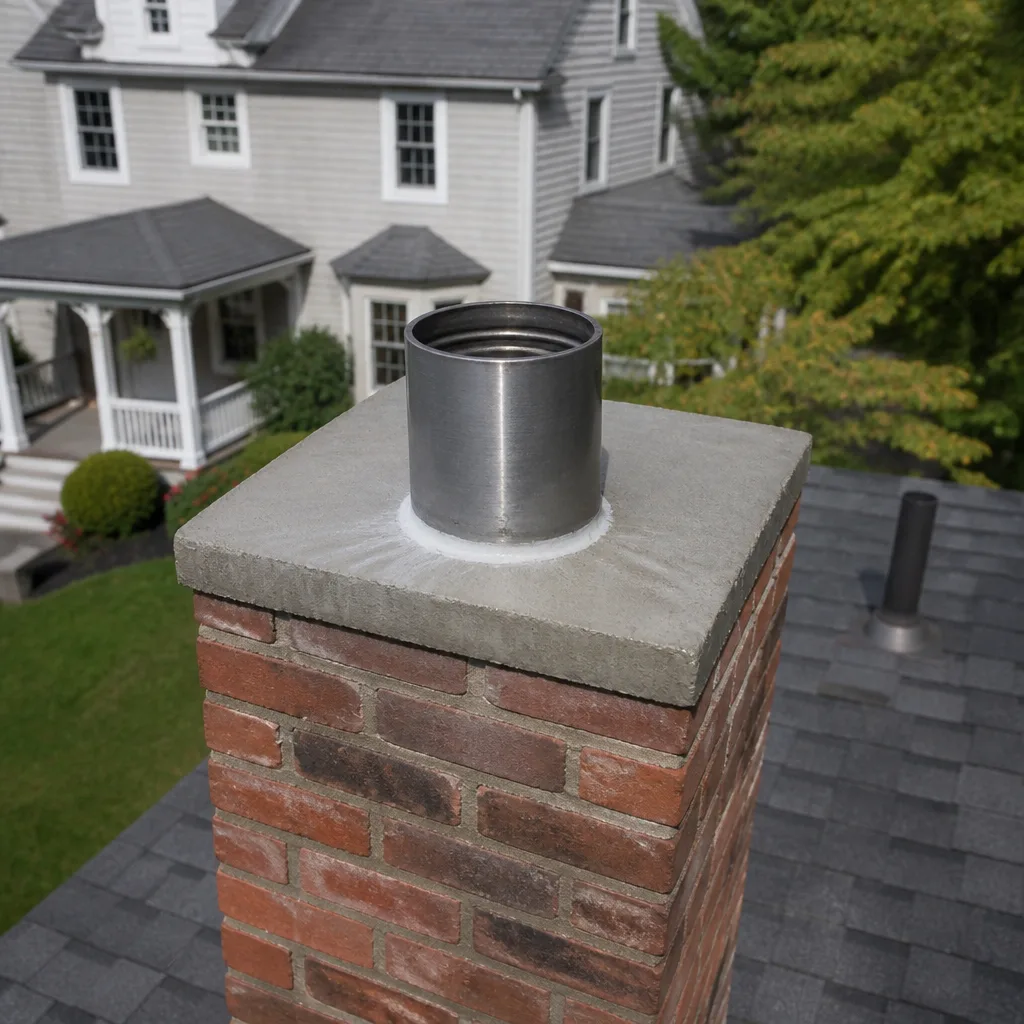 Flue relining
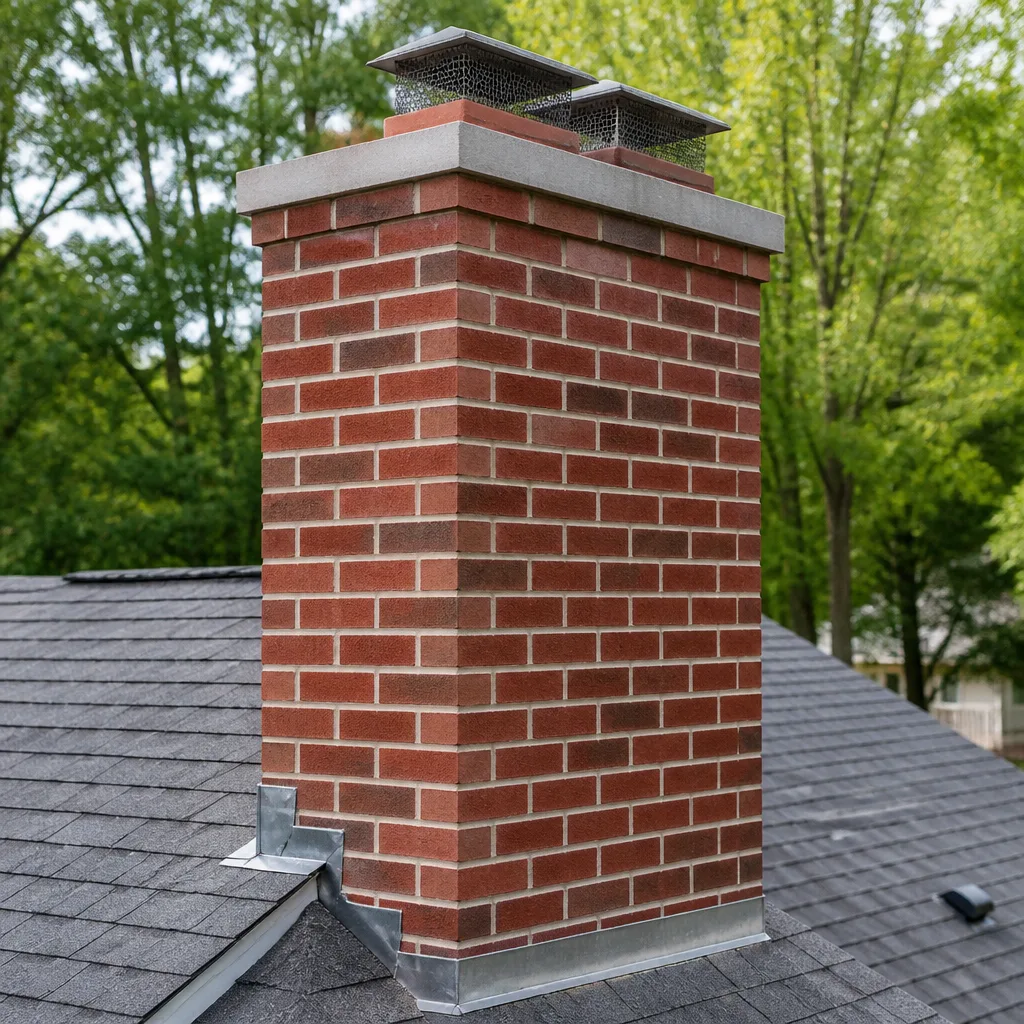 Masonry repair
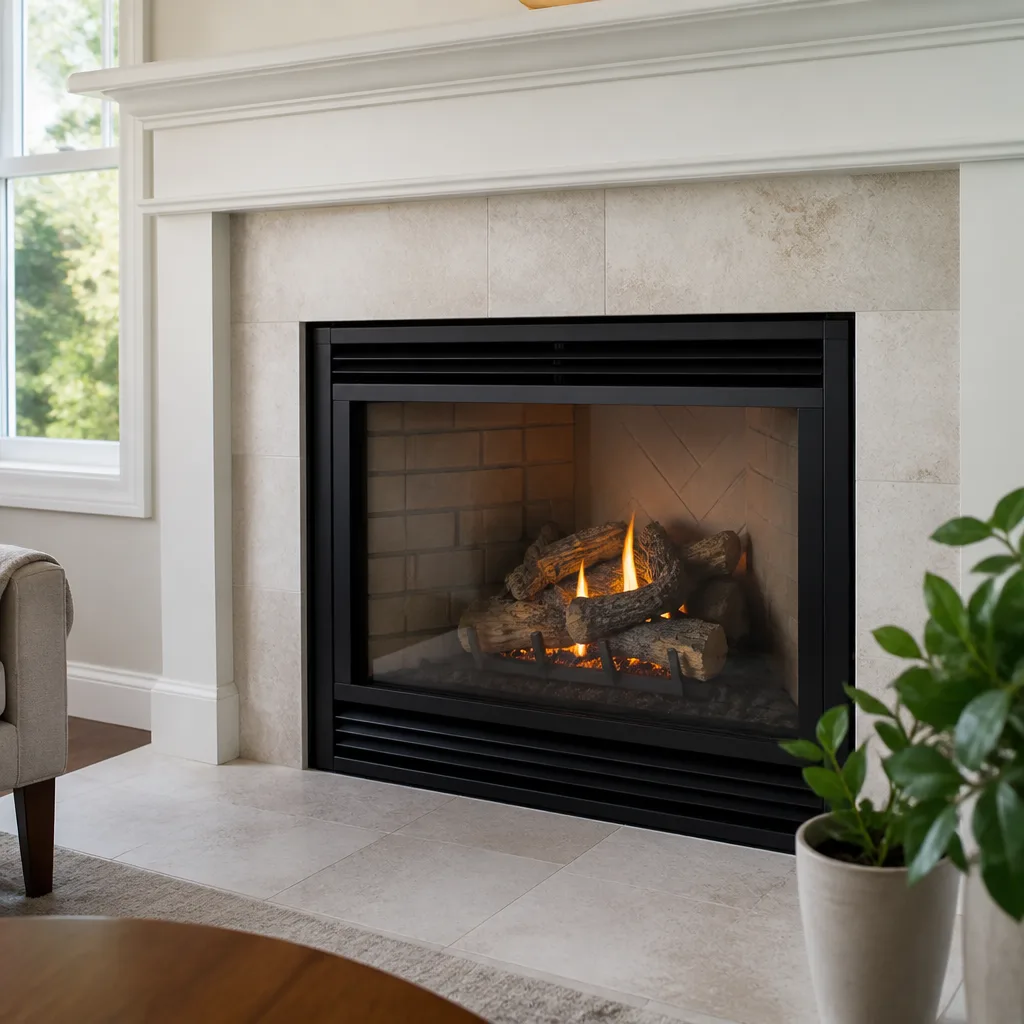 Gas fireplace service
Level 1 sweep and inspection to the NFPA 211 annual standard - flue, crown, cap, and flashing checked and photographed
Chimney sweep logs do not sweep chimneys. They loosen some creosote - which then falls where a brush and vacuum still have to collect it.
Chimney Sweep Troubleshooting in Riverton: Common Problems and How to Fix Them
If your fireplace smokes into the room right after a cleaning, the chimney wasn’t the problem. The cleaning just proved it. A sweep removes creosote and soot, but it can’t correct a draft that was never right to begin with, a flue that’s too short for the house, or a liner that’s failing behind the mortar. Most of the calls we get in Riverton start with “I think it just needs a sweep,” and a good number of them turn out to be something else entirely. This guide is built to help you read the symptoms before you pick up the phone: what smoke rollback, weak draft, persistent odor, and falling debris each tend to mean, what you can safely check yourself, and what honestly needs a camera and a trained eye.
Quick Answer
Most chimney problems that persist after a cleaning are structural or draft-related, not cleanliness-related: a flue that’s too short or oversized for the appliance, negative pressure from the house itself, a cracked or spalling liner, or a missing or undersized cap. A sweep fixes creosote buildup. A camera inspection and a proper draft assessment fix everything else. In Riverton’s high, windy setting, negative pressure problems are especially common and often mimic a blockage.
Styles & brands we work with
- Sweep & inspection
- Caps & crowns
- Flue relining
- Masonry repair
- Gas fireplace service
Table of Contents
- Symptom-to-Cause: Read the Clue Before You Call
- Why Riverton’s Wind and Altitude Mimic a Blockage
- Clean Isn’t the Same as Drafting: The Distinction That Saves Money
- What You Can Safely Check Yourself
- What Requires a Camera and a Trained Eye
- What Gets Fixed Same-Visit vs. Scheduled Repair
- Odor, Debris, and Water: Three Problems Homeowners Confuse
- The Cap and Crown Connection
Symptom-to-Cause: Read the Clue Before You Call
Here’s the single most useful thing we can tell a Riverton homeowner: the symptom you notice is usually not the problem itself. Each symptom points toward a specific family of causes, and knowing which family you’re in changes what the visit should look like. Smoke rolling back into the room after you light a fire is a draft failure, not a dirt problem. A cold, sooty smell on mild days is often a pressure or moisture issue, not leftover creosote. Grit and flakes landing on the hearth can mean a failing flue tile. They look similar from the living room. They’re completely different jobs.
Use this matrix as a starting map:
- Smoke rollback into the room: insufficient draft, a flue that’s too short or too large for the firebox opening, a closed or partially closed damper, negative pressure in the house, or a flue blocked at the top by a nest, leaf pack, or collapsed tile.
- Weak draft but no rollback: a fire that lights slowly, smolders, or struggles to draw. Often a flue sizing issue, a cold flue on a mild day, or a cap that’s restricting flow.
- Persistent odor when the fireplace is idle: creosote in the flue, moisture getting in through a missing or damaged cap, or a pressure imbalance pulling air down the chimney.
- Debris on the hearth or smoke shelf: spalling flue tile, crumbling mortar joints, a deteriorating crown, or a masonry wash from above.
- Water staining on the firebox or smoke chamber: a failed crown, a missing cap, or cracked flashing at the roof line.
Notice that only one of those five lines actually describes a creosote problem. That’s the point. When we send a technician out on a chimney sweep, the visit includes a look at all of these, because a cleaning that leaves a draft problem and a spalling liner in place isn’t a finished service. It’s a half-service. We document what we find so the homeowner sees the same evidence we do.
One more thing worth internalizing: symptoms that repeat after a cleaning are the clearest signal of all. If a chimney smoked before it was cleaned and smokes after, the sweep did its job and the deeper problem is still there.
Why Riverton’s Wind and Altitude Mimic a Blockage
Riverton sits high and open, and the weather here moves. Wind comes off the mountains and across the valley, and when it hits the lee side of a house, it can create a low-pressure zone right at the chimney top. That low pressure pulls air down the flue instead of letting it rise. The fire struggles, smoke curls into the room, and the homeowner assumes the chimney is blocked. It usually isn’t. The flue is clear. The house is simply losing a pressure fight with the outside air.
Several things push the same direction:
- A tight, well-sealed house. Modern weatherization seals gaps that used to let makeup air into the home. A wood fire needs a lot of air, and if the house won’t give it up easily, the chimney becomes an intake instead of an exhaust.
- A flue that’s too short or too large. A flue has to be tall enough above the roof line for its diameter. A fireplace opening that’s oversized for its flue creates a smoke problem every time.
- Nearby terrain or structures. A roofline, a neighboring wall, or a slope above the house can put the chimney in a turbulent pocket where the wind burbles instead of clearing.
- A cold flue on a mild day. A flue that hasn’t warmed up yet won’t draft. The first fire of the season often behaves worse than the tenth.
In our experience around Riverton, the pressure issue is the one homeowners misread most often. They call for a sweep because the fire smokes, the sweep comes back clean, and the smell of disappointment is real. That’s why we treat draft as a diagnostic question, not a cleaning question. If your flue is clean and your fire still rolls back, you’re probably looking at a pressure or sizing problem, and that calls for a different conversation.
Clean Isn’t the Same as Drafting: The Distinction That Saves Money
A chimney can be spotless and still refuse to draft. This is the distinction that saves the most money in Riverton, and it’s the one most people miss. Cleanliness is about what’s inside the flue: creosote, soot, debris, and ash. Drafting is about the physics of moving air up and out of the house: flue height, flue diameter relative to the firebox, temperature, and the pressure balance of the building. These two things are related, but they’re not the same, and one doesn’t guarantee the other.
Think of it this way. A blocked flue will fail to draft no matter how clean it is around the blockage. A clean flue will fail to draft if it’s sized wrong, too short, or fighting negative pressure. Sweeping removes the blockage. It doesn’t resize the flue or rebalance the house. That’s a repair question, and repairs live on a different scope than a cleaning.
What this means practically:
- If your chimney smokes and it’s dirty, a sweep may solve it. Schedule the chimney sweep and see how it performs afterward.
- If your chimney smokes and it’s clean, the sweep isn’t the answer. You need a diagnostic look that includes a camera inspection and an honest draft assessment.
- If your chimney smokes sometimes but not others, note the pattern. Wind, temperature, and door position all leave clues. Those patterns narrow the cause quickly.
- If the smoke smell is the complaint rather than visible smoke, that’s a pressure question more often than a cleaning one.
We’d rather tell a Riverton homeowner that a sweep won’t fix it than take the fee and leave the problem. A sweep without an inspection is half a service. The inspection is what separates a clean flue from a functional one, and it’s the part that tells you which of the four items above you’re actually dealing with.
What You Can Safely Check Yourself
There are a handful of things a homeowner can check on their own with no risk, and they’ll save you a diagnostic conversation. Do these before you call, and mention what you found. It makes the visit faster and more accurate.
- Look at the firebox opening. Standing a safe distance back with no fire lit, look at the firebox. Wide, shallow fireboxes smoke more readily than tall, deep ones. If your opening is oversized, note it.
- Work the damper. Check that it opens freely and fully. A damper that sticks half-closed is a common cause of weak draw. If it doesn’t move cleanly, tell the technician.
- Look up the flue with a flashlight. From the firebox, shine a light up the flue. You can see whether the tile faces are intact near the bottom, whether there’s a heavy creosote glaze, and whether you can see daylight or a blockage at the top.
- Look at the cap and crown from the ground. From outside, use binoculars. Check whether the cap is present, animal-proof, and sized correctly for the flue. Check the crown for visible cracks, spalling, or separations.
- Check your smoke detector and carbon monoxide detector. Both should be in place and working, regardless of what the chimney is doing.
- Test the fire with a door or window cracked. If opening a nearby window makes the fireplace draw better, that’s a strong signal of a negative-pressure problem. Note it. It’s a clue, not a permanent fix.
What you should not do: climb the roof, poke anything into the flue, use a chimney brush from the firebox without training, work on a damper that won’t move, or attempt any repair on the flue interior. Chimney work involves real heights and real hazards, and the people who get hurt doing it are typically the ones who went up without the right equipment. A trained professional handles everything above the firebox. Our technicians have up to 9 years of experience, and they’ve seen what happens when a homeowner tries a fix they read about.
What Requires a Camera and a Trained Eye
Some problems can’t be seen from the firebox or the ground, no matter how good your flashlight is. The flue interior above the fireplace, the smoke chamber, and the top of the flue cap all need a camera. That’s not a sales pitch. It’s the honest boundary of what a homeowner can check. When the camera comes out, the visit shifts from cleaning to diagnosing, and we like homeowners to understand why.
The situations that genuinely need a camera:
- Suspected cracked or spalling flue tile. Tile cracks look invisible from below but show clearly on camera. If the tile is compromised, the interior has to be evaluated for repair or relining.
- Repeat smoke or draft problems with a clean flue. Once the flue is clean, the camera looks for sizing issues, obstructions at bends, and damage that would explain the draft failure.
- Chimney fires in the past. Even a small fire can do hidden damage to the flue lining. Camera inspection reveals whether the liner survived.
- Odor that won’t resolve. Camera work finds the creosote deposits or moisture intrusion that cause persistent smells, especially around the smoke chamber and smoke shelf.
- Pre-purchase on an older home. If you’re buying or just bought a Riverton home with a wood appliance, this is the inspection that tells you what you’re inheriting.
- After a chimney repair or relining. A camera confirms the work finished as it should. We document the result with photos so homeowners can see what the inside of the flue looks like now.
HeatShield ceramic resurfacing is a good example of why camera evidence matters. The system can restore a compromised liner in cases where a full reline would otherwise be recommended. But it’s only appropriate when the flue’s actual condition supports it. We tell homeowners honestly whether substitution or relining is the right path for their flue, and the camera evidence is what drives the call. We carry HeatShield, DuraFlex, Gelco, Olympia Chimney, Famco, and Copperfield, so we’re not pushing one path because it’s the only path we have.
What Gets Fixed Same-Visit vs. Scheduled Repair
Not every problem is a same-visit fix, and knowing which is which saves a second call. Sweeping and inspection happen together. Cap and crown replacement usually get booked as part of the same job. Structural work, relining, and resurfacing need a scheduled appointment because they involve materials, time, and a written estimate that sets the final price before we start.
A rough map:
- Same-visit (during a sweep or inspection): creosote removal, soot and ash removal, inspection with camera documentation, an honest assessment of what we found. Small hardware issues when the correct part is available.
- Usually same job, separately scheduled: chimney cap installation with a Gelco, Olympia Chimney, or Famco cap, crown repair or replacement, flashing work at the roof line, damper repair.
- Scheduled structural repair: relining with a DuraFlex flex liner, HeatShield ceramic resurfacing, flue tile repair, masonry work on the firebox or smoke chamber, and any repair requiring more than one visit to complete.
The pattern to remember: cleaning and inspection are one visit; repair is another. The version where a sweep turns into a surprise structural job on the same call is the one to avoid. That’s why we keep inspection a standalone, unbiased offering. Homeowners can get a documented condition report without being committed to a repair on the same visit. It’s not a sales tactic. It’s how we keep the diagnosis honest. If you’re unsure whether you’re in the “just needs a sweep” category or the “needs a repair” category, the inspection answers that question before any work is booked.
Odor, Debris, and Water: Three Problems Homeowners Confuse
These three get mixed up constantly, and they lead in different directions. Odor when the fireplace is idle is usually a creosote or pressure problem. Debris in the firebox is usually a flue tile or masonry problem. Water staining is almost always a cap, crown, or flashing problem. Same room, different parts of the system, different fixes.
Odor. A cold fireplace can pull air down the flue instead of up. That’s why the smell is often worse on warmer, still days when the fire isn’t running. Creosote deposits contribute a smoky, tarry smell. Moisture intrusion adds a musty note on top. The fix might be a sweep, a cap, a pressure adjustment, or some combination. Only an inspection tells you which.
Debris. Spalling flue tile sheds thin flakes of clay that drop down onto the smoke shelf. Crumbling mortar joints release grit. A cracked crown lets masonry wash down the flue. If you find grit in the firebox or on the smoke shelf, that’s a structural signal, and a sweep alone won’t resolve it. This is where the chimney repair path begins.
Water. Water intrusion is the single most destructive problem a Riverton chimney faces, and it’s often invisible from the room. A missing or loose cap lets rain straight down the flue. A cracked crown lets water soak into the masonry, where it freezes and thaws through winter and spalls the brick. Flashing failures at the roof line do the same thing. A properly fitted cap and a sound crown are the two most effective water defenses you have, and they’re the cheapest structural investment on the entire system.
The reason these get confused is that they all show up as “something is wrong with my fireplace.” The reason it matters is that only one of them is a cleaning problem. If you’re seeing grit, standing water, or a smell that returns every mild day, that’s your cue to book an inspection before booking a sweep.
The Cap and Crown Connection
If a homeowner remembers one thing from this guide, we’d like it to be this: the cap and the crown are where most avoidable chimney damage starts. The cap covers the top of the flue. The crown is the sloped masonry surface around the top of the chimney. Together they’re the first line of defense against water, debris, and animals. When either one degrades, everything below it starts to suffer.
What goes wrong, and what it looks like:
- A missing or wrong-sized cap. Water goes straight down the flue. Birds and squirrels nest in the flue. Sparks can land on the roof. Homeowners often don’t notice until the firebox starts staining or the chimney stops drafting because a nest is in the way.
- A cracked or spalling crown. Water soaks into the masonry below. Over a few winters, the freeze-thaw cycle splits brick faces and loosens mortar joints. The chimney looks fine from the ground until it doesn’t.
- An off-the-shelf cap from a big-box store. Generic caps often fit poorly and don’t match the flue’s diameter or material. We stock and fit Gelco, Olympia Chimney, and Famco chimney caps and covers, so we can match the right size and material to the flue instead of forcing a one-size-fits-all piece on it.
Cap and crown work isn’t cosmetic. It’s the cheapest way to extend the life of the chimney, and it’s part of the reason we treat the whole system as a single scope. From the firebox to the cap, every component falls within our scope. That means a homeowner doesn’t have to bring in a roofer for the flashing, a mason for the crown, and a sweep for the flue. One company handles it, one estimate sets the price, one visit closes the loop. If your cap is missing or your crown is cracked, that’s worth a look the next time you have us out on a chimney sweep. We’d rather talk about it now than after a winter of water damage.
Common Mistakes to Avoid
- Booking a sweep to fix a draft problem. If the fire smoked before cleaning and still smokes after, the sweep wasn’t the issue. Book an inspection, not another sweep. Riverton’s wind makes this mistake common, and it’s an easy one to avoid once you know what to look for.
- Assuming “clean” means “working.” A spotless flue with a sizing problem will still smoke. Draft is a physics question, not a cleanliness question. If you can’t explain the difference between the two, this guide hasn’t done its job yet.
- Skipping a cap because “we don’t get that much rain.” Water gets in through a hundred small entries even in a dry climate, and a missing cap is the biggest one. Every bit of water that reaches the flue shortens the life of the liner.
- Buying an off-the-shelf cap without measuring the flue. A universal cap that doesn’t seat correctly can be worse than no cap because it misleads the homeowner into thinking the top is covered. Fit matters.
- Letting an odor problem wait for spring. An odor is often the earliest signal of a water intrusion or pressure problem. Waiting lets a small fix grow into a larger one.
- DIY climbing the roof to look at the cap. Falls are the most common chimney-related injury in the trade, and they’re most often caused by untrained homeowners trying to inspect their own cap. Call for a professional inspection instead.
- Treating a repair estimate as a cleaning upsell. If a technician recommends relining or resurfacing, ask to see the camera evidence. A real diagnosis comes with proof. If you can’t see it, don’t approve the work.
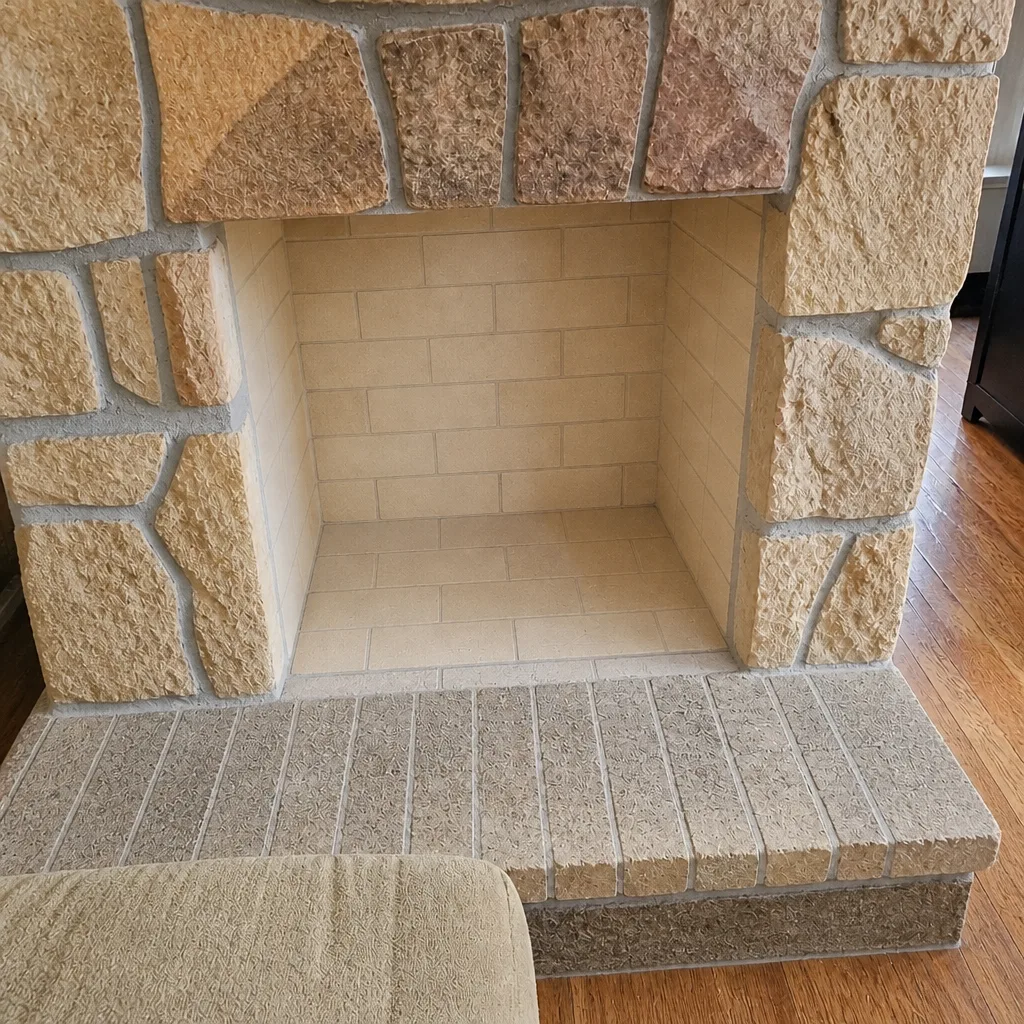
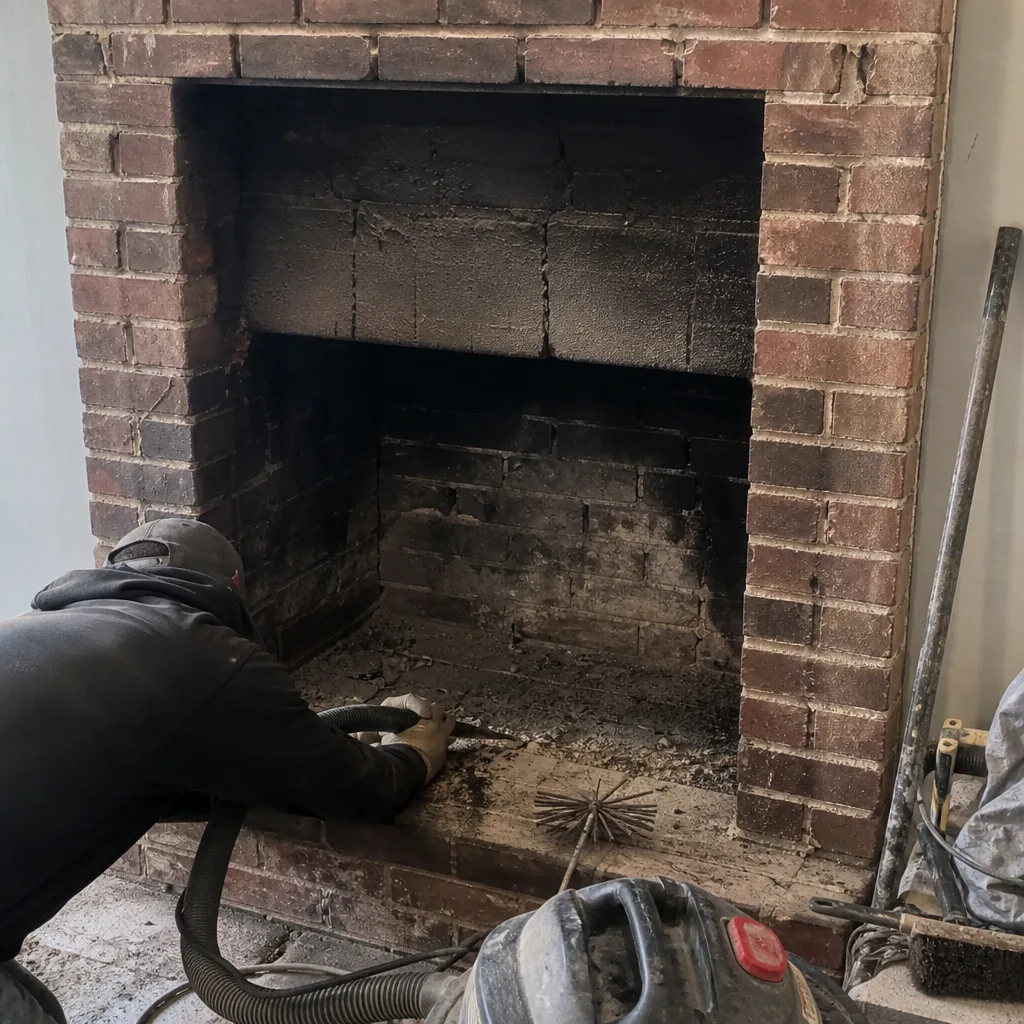
See the difference
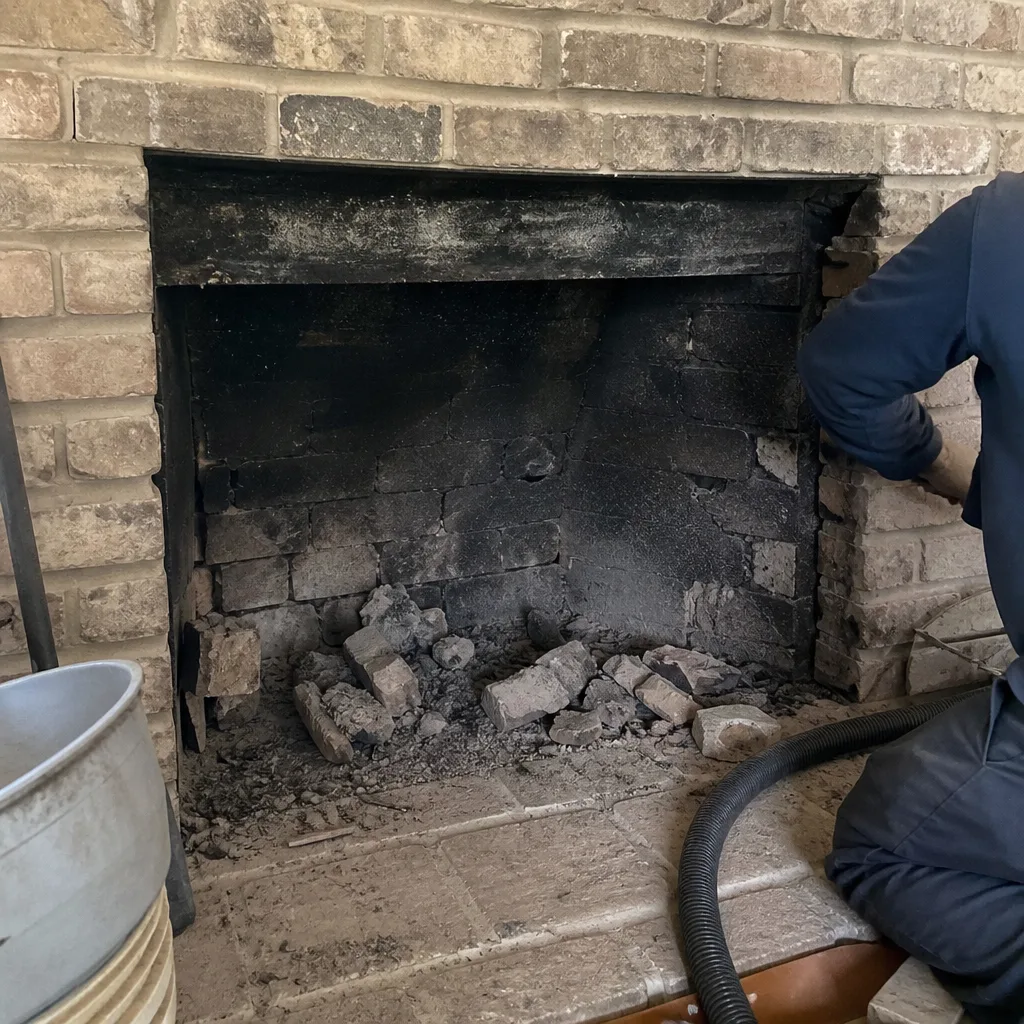 Before
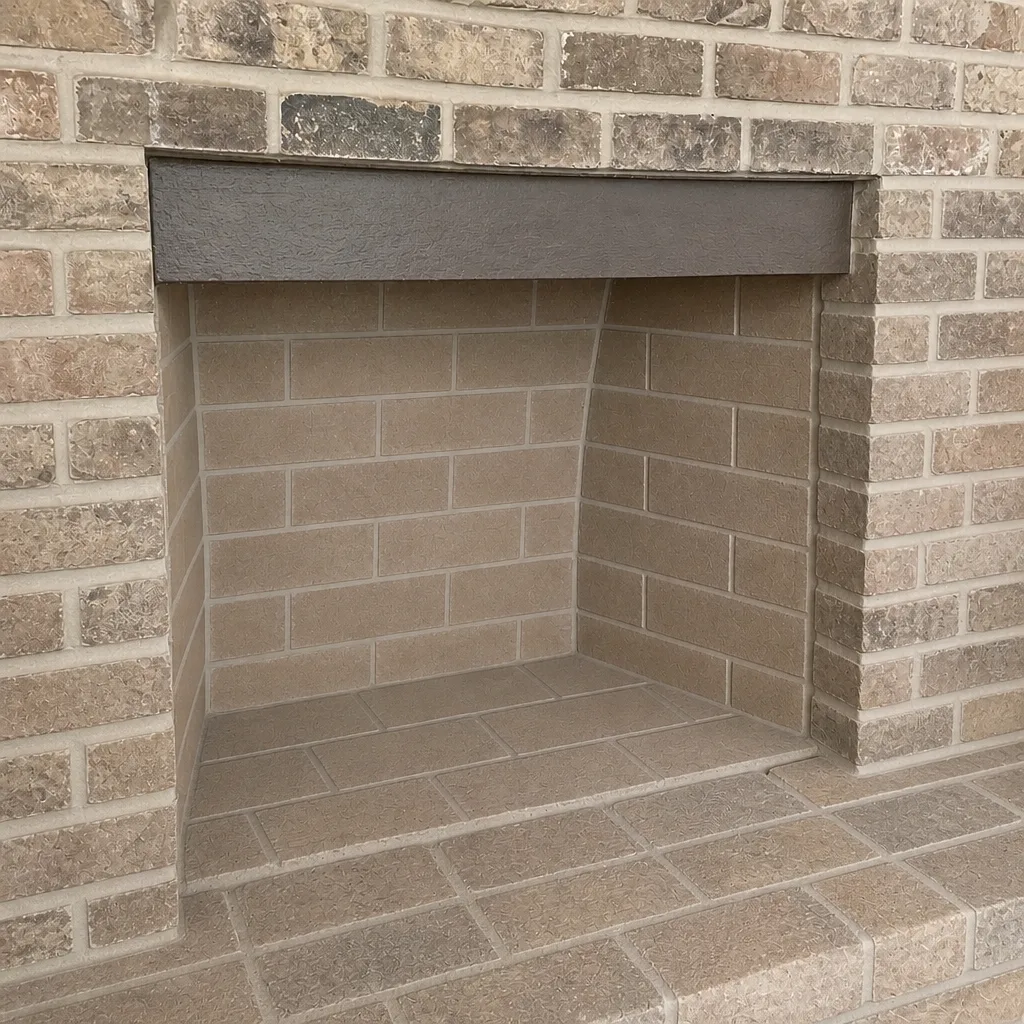 After
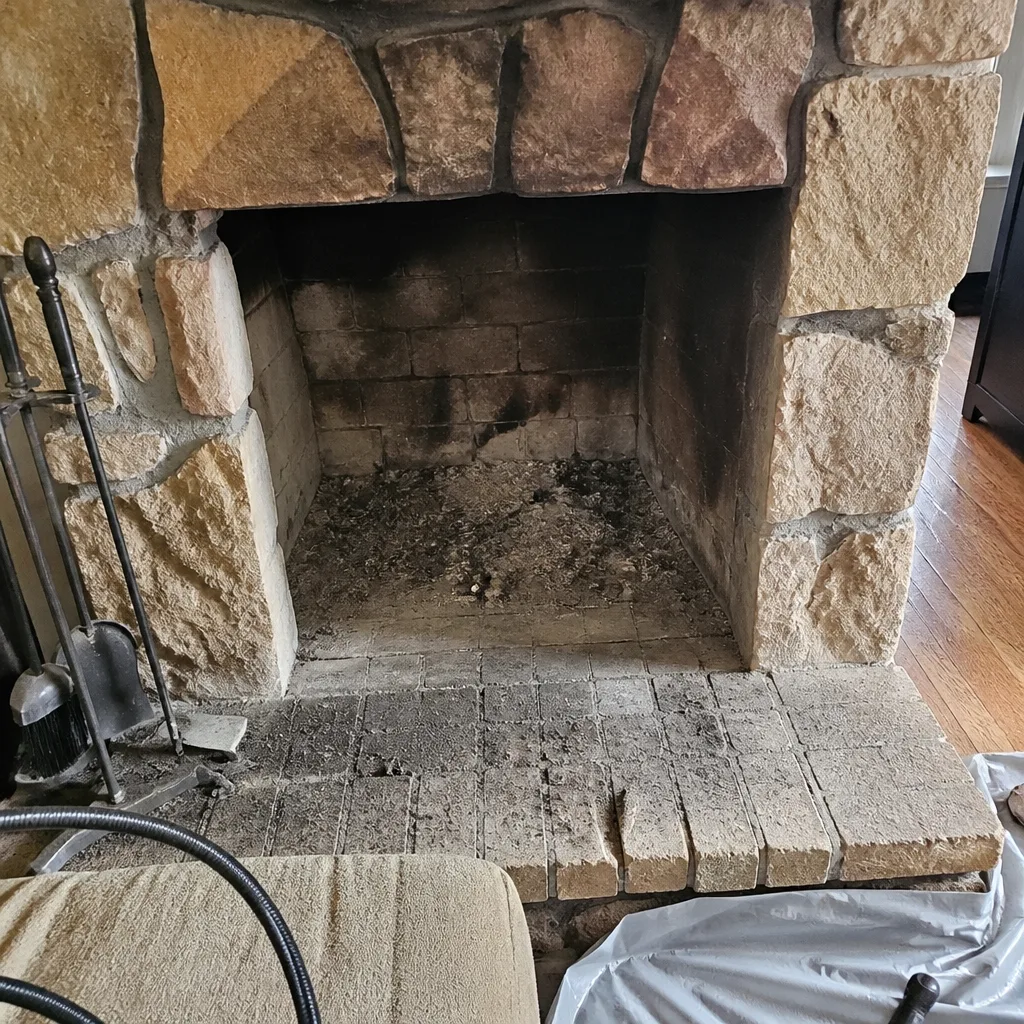 Before
 After
 Before
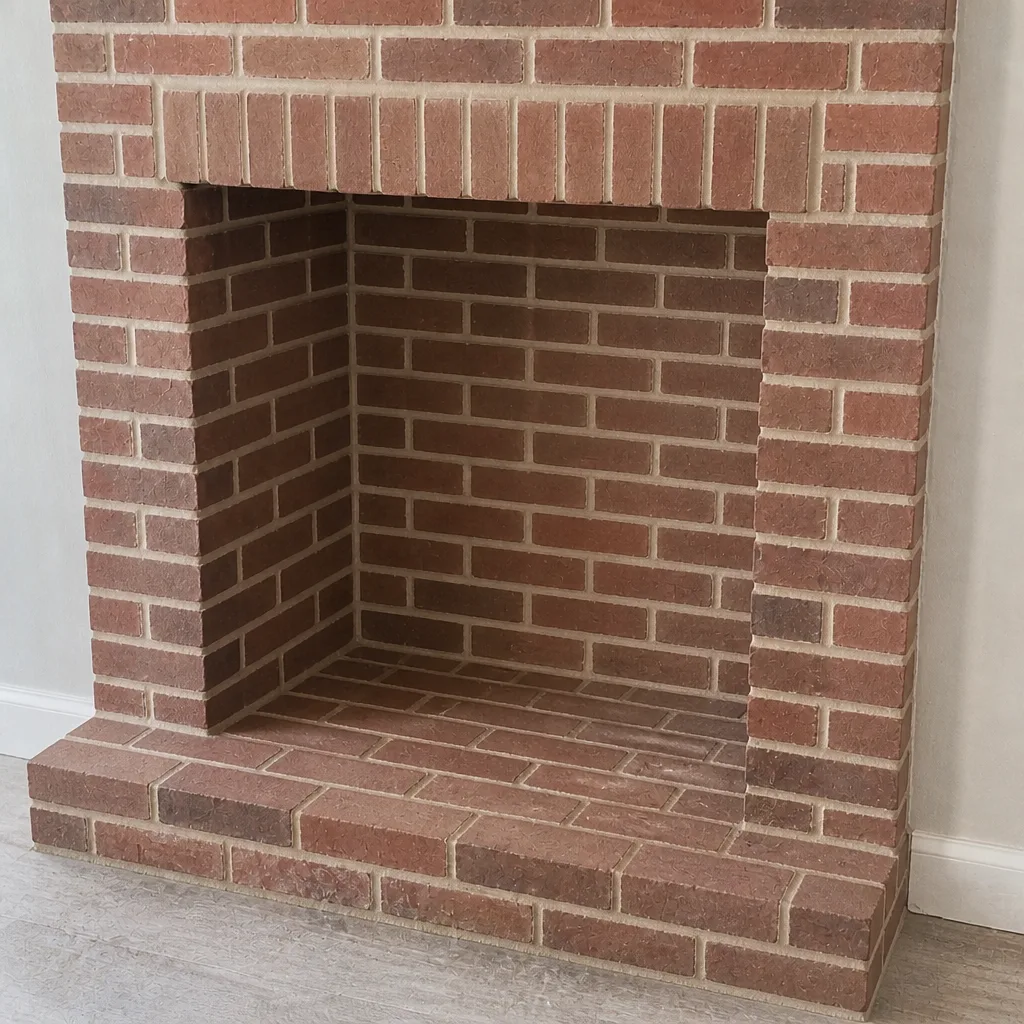 After
When to Call a Professional
Call when you’re seeing smoke rollback that a sweep didn’t fix, grit or debris in the firebox, water staining on the firebox or smoke chamber, a persistent odor that returns every mild day, or a cap or crown that’s visibly damaged from the ground. Call before buying a home with a wood appliance in Riverton, and call before the first fire of the season if you haven’t had an inspection in a year. If you’ve had a chimney fire, even a small one, call regardless of how the chimney looks from below. Carbon monoxide and chimney fire risk are the reasons these symptoms deserve a professional look, not a guess.
Chimney Sweep Riverton offers free estimates in Riverton. Call (833) 468-5704. We answer 24/7. Fast dispatch from 7am to 7pm, Sunday through Friday. Estimates are free, the price is set per job by the written estimate, and the estimate is a written estimate before any work starts.
Frequently Asked Questions
Smoke rollback after a cleaning usually means the flue has a draft problem, not a cleanliness problem. The sweep removed what was blocking it, but the flue may be too short, too large for the firebox opening, or fighting negative pressure from the house. A camera inspection and a draft assessment tell you which. Call (833) 468-5704 for an inspection in Riverton.
You can narrow it down, but not definitively. If you see heavy creosote, a sweep is likely. If you see grit or spalling flakes in the firebox, that’s a structural signal and points toward a repair. If your chimney is clean and still smokes, it points toward a draft problem. The only way to tell is a camera inspection. Call (833) 468-5704 to book one.
A clean chimney has no creosote, soot, or debris in the flue. A drafting chimney moves air up and out at the right rate for the appliance. These are different questions. A clean flue can fail to draft because of sizing, height, temperature, or house pressure. An inspection answers both.
Riverton’s wind patterns and higher elevation create low-pressure pockets on the lee side of the house that can pull air down the flue. Tightly sealed homes make it worse because they don’t allow makeup air in easily. If cracking a nearby window improves the fire’s draft, that’s a strong sign of negative pressure. Call (833) 468-5704 to talk it through.
Yes, and sooner is cheaper than later. The cap prevents water, animals, and debris from getting in. The crown keeps water from soaking into the masonry. If either is missing or degraded, that’s the fix we’d prioritize because both protect everything below them. Call (833) 468-5704 for an inspection and an estimate.
You’ll spend money on cleanings that don’t fix the real problem, and structural damage will progress. Cracked flue tile, water intrusion, and pressure failures don’t fix themselves. Skipping the inspection is how a small repair turns into a larger one. Call (833) 468-5704 to get the inspection done properly.
The Bottom Line
Chimney problems in Riverton are usually symptoms, not answers. Smoke rollback means a draft problem, not a dirt problem. Grit in the firebox means a structural problem, not a cleaning that’s overdue. Odor means pressure or moisture. Water staining means a cap or crown failure. If you remember that map, you’ll book the right visit the first time and avoid the second call that doesn’t fix anything. A fireplace repair is a different job than a sweep, and a sweep is a different job than a draft correction. Knowing which one you need is the whole game.
If you’re not sure where your chimney falls, don’t guess. Call (833) 468-5704. We answer 24/7. Fast dispatch from 7am to 7pm, Sunday through Friday. A free estimate and a camera inspection will tell you exactly which category you’re in, and we’ll tell you honestly whether it’s a sweep, a repair, or a fix that can safely wait.
Written by the team at Chimney Sweep Riverton.