
Last updated November 24, 2026
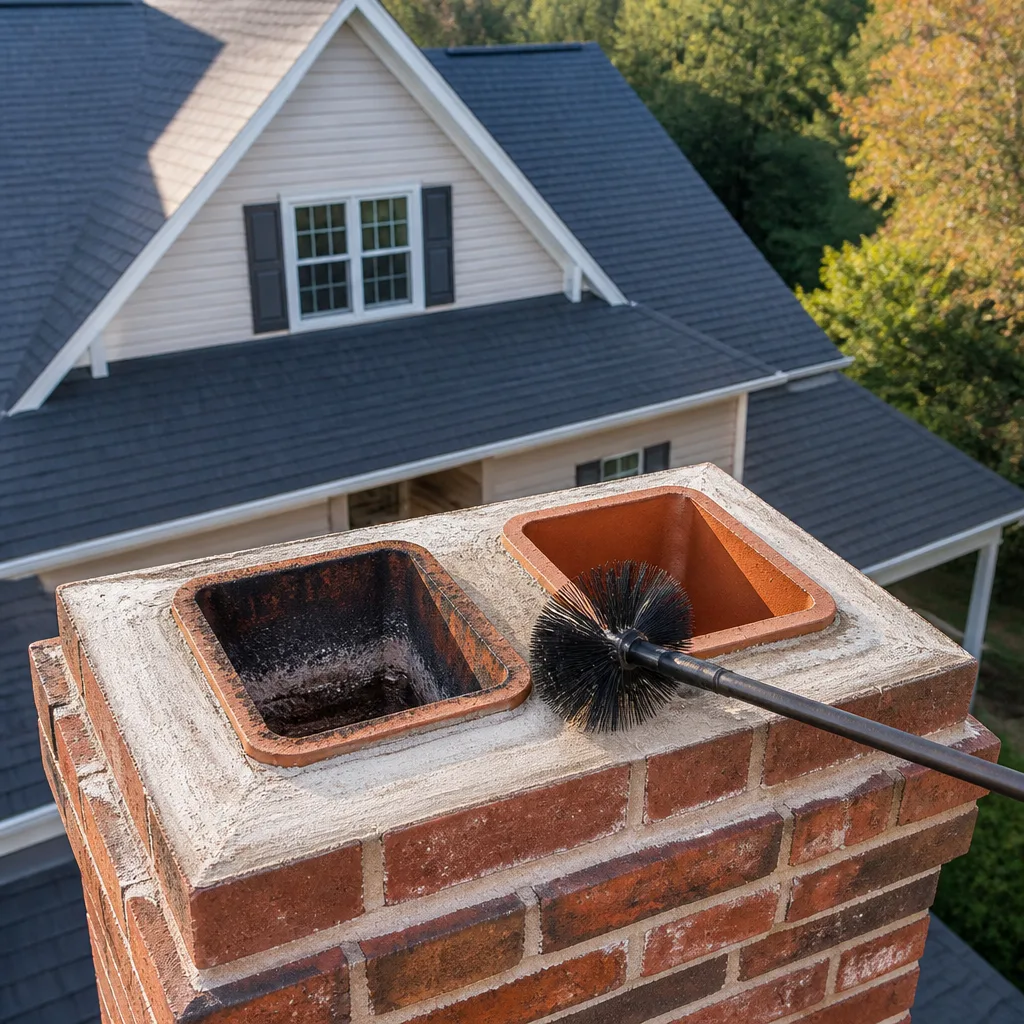 Sweep & inspection
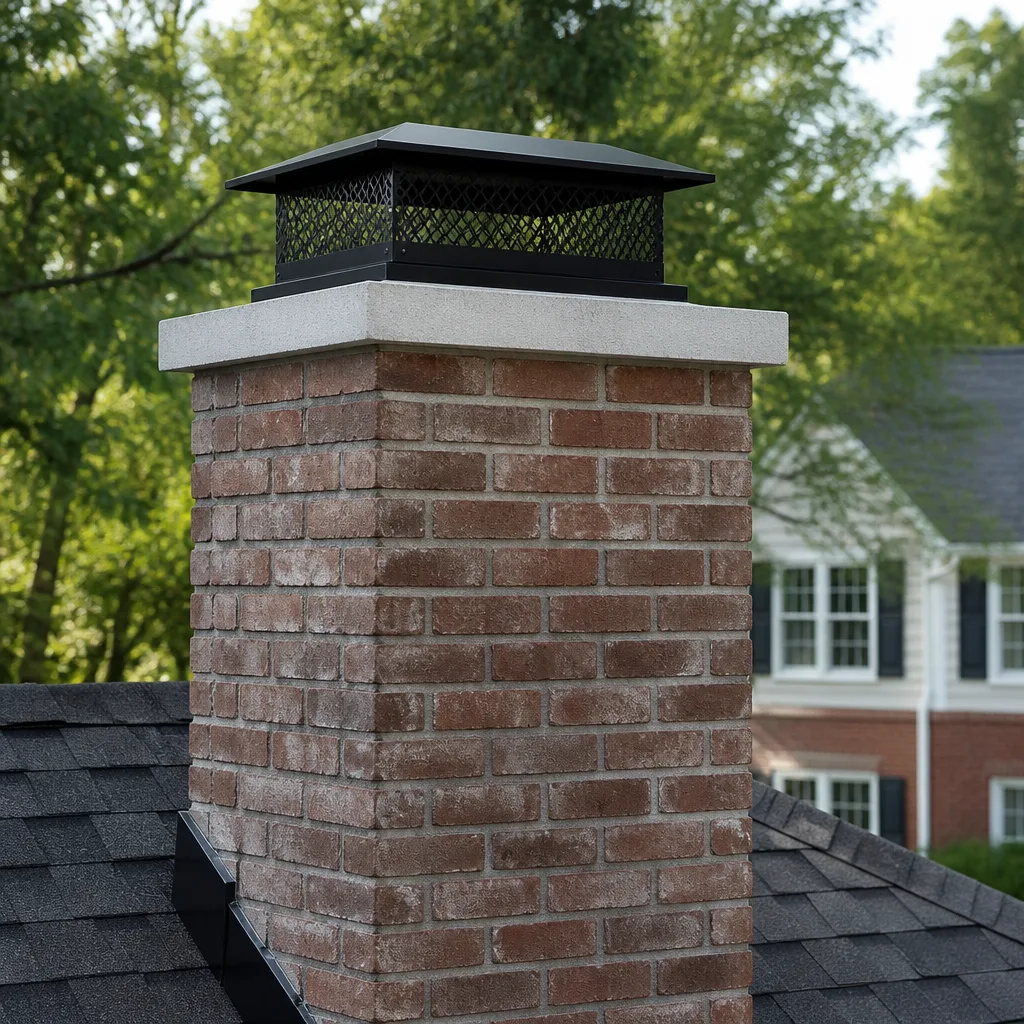 Caps & crowns
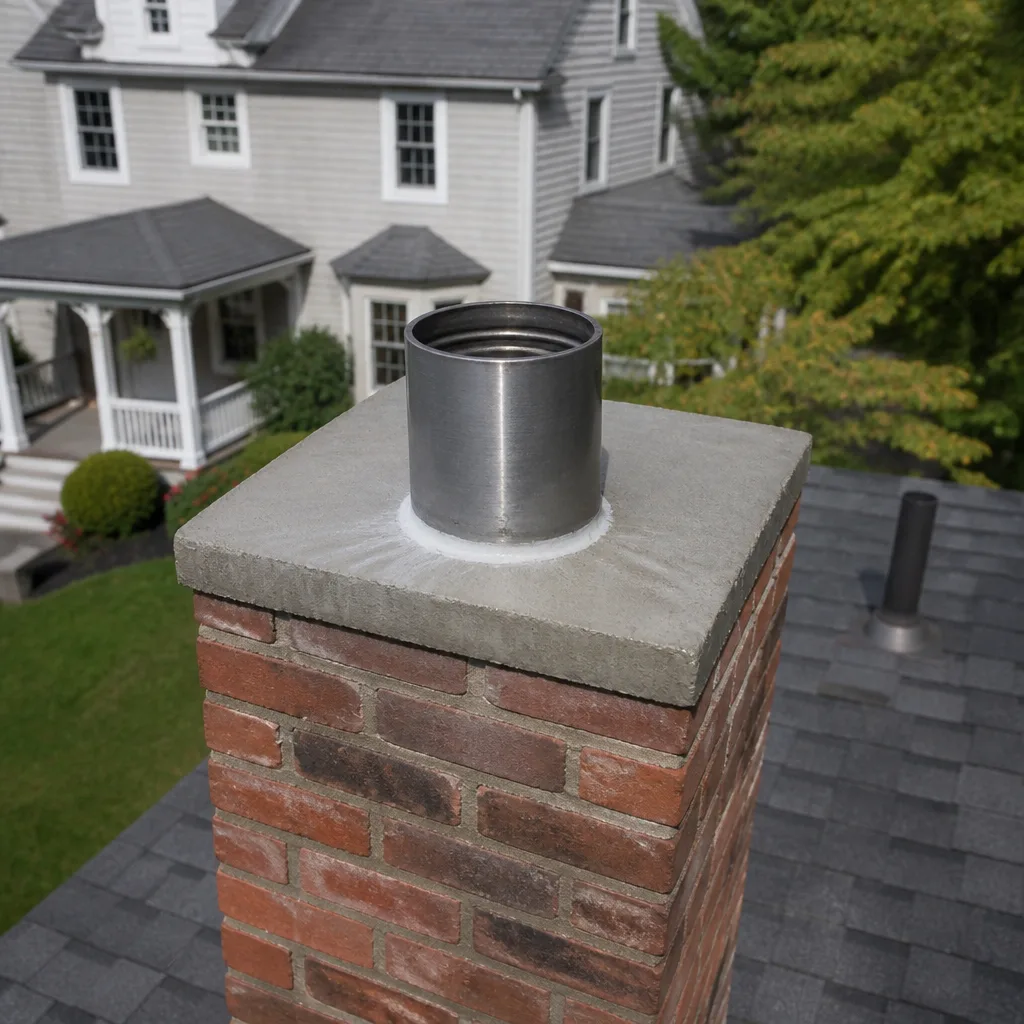 Flue relining
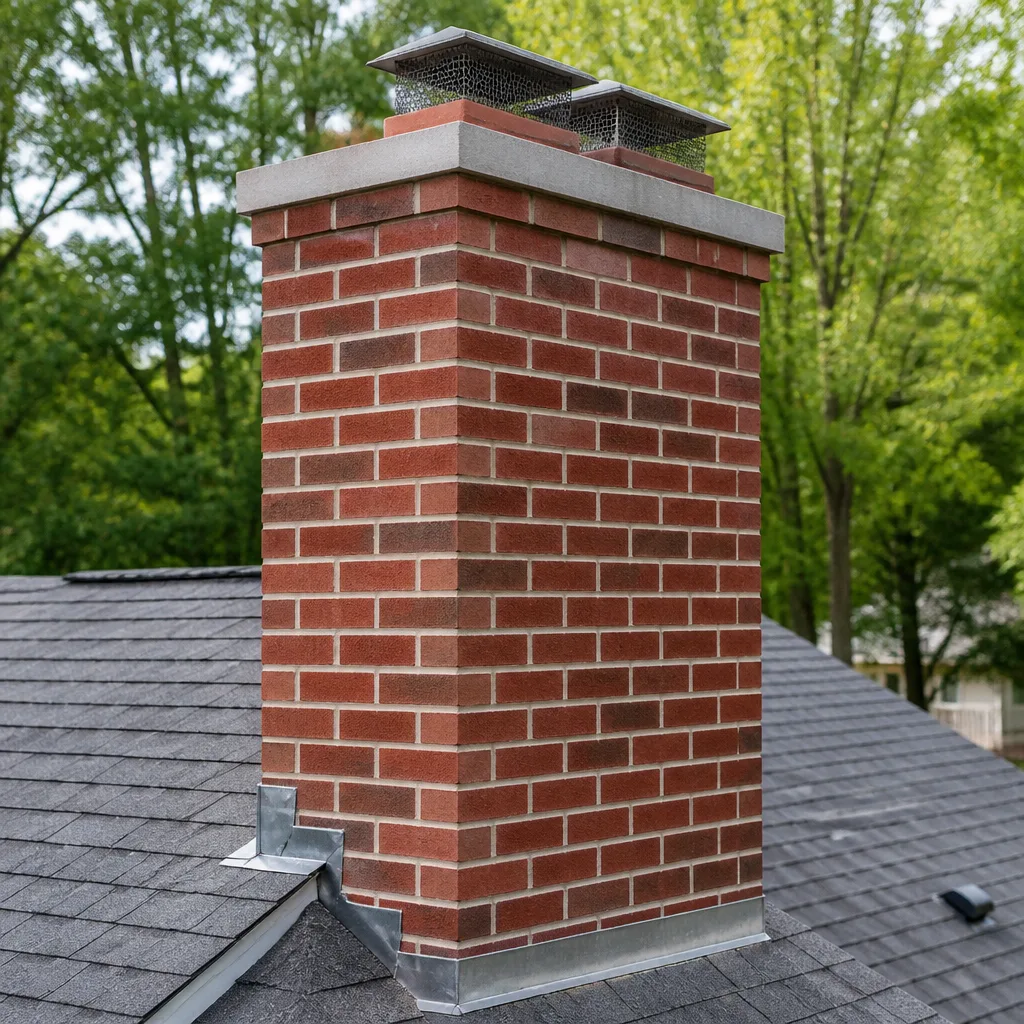 Masonry repair
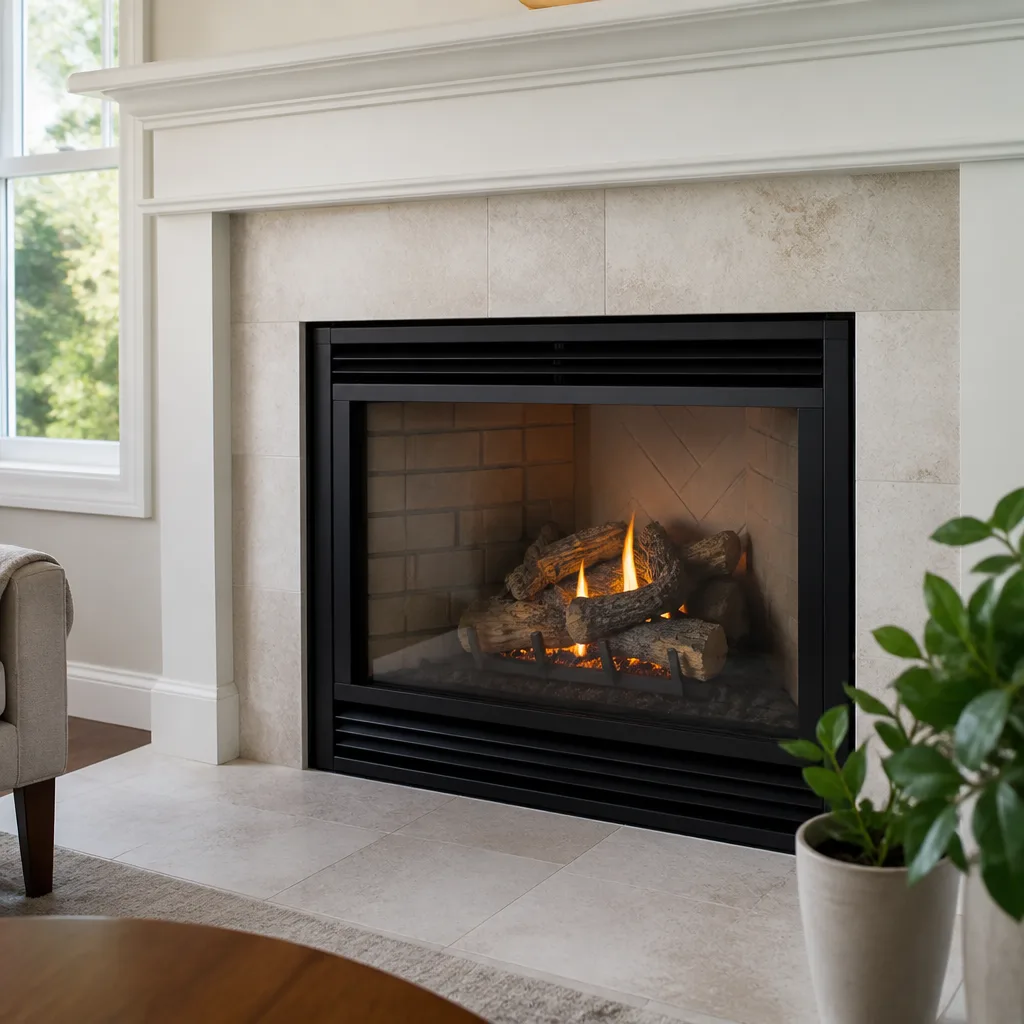 Gas fireplace service
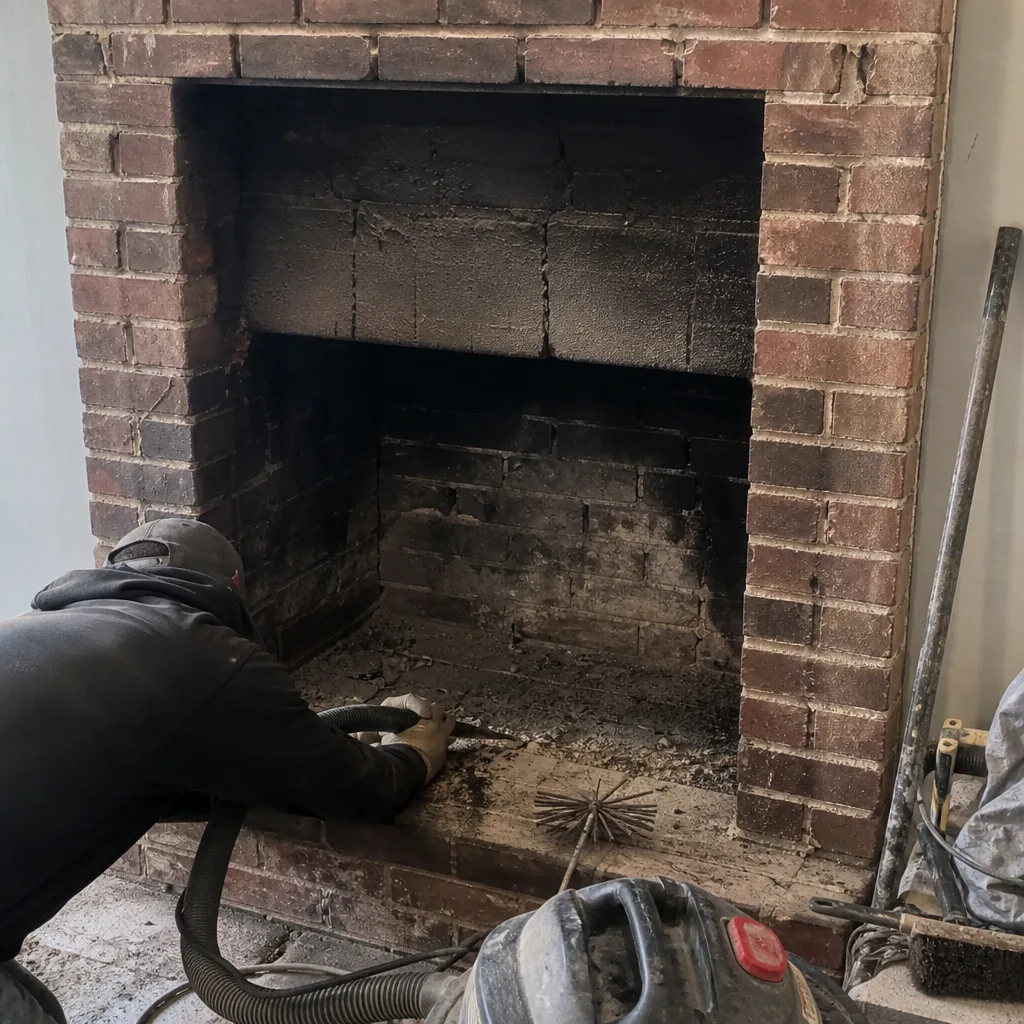
Level 1 sweep and inspection to the NFPA 211 annual standard - flue, crown, cap, and flashing checked and photographed
Chimney sweep logs do not sweep chimneys. They loosen some creosote - which then falls where a brush and vacuum still have to collect it.
Choosing the Right Chimney Cleaning Brand: A Buyer’s Guide for Riverton
Chimney products and equipment look remarkably similar in product photos. A brush is a brush, right?
Not quite. The chimney industry runs on two distinct tiers of equipment: the grade professionals use and the consumer-grade versions sold at hardware stores. On a light dusting of soot, the difference barely shows. On a Stage 2 creosote deposit, it’s the difference between a flue that’s actually clean and one that just looks better from the firebox.
This guide is built for Riverton homeowners who want to understand the product categories behind a chimney service before they hire anyone. We’ll cover what separates professional from consumer grade in each category, the questions worth asking a contractor, and where brand choices genuinely matter. By the end, you’ll know how to read an equipment list the way a technician does.
Quick Answer
The brand of chimney cleaning products matters most when you’re evaluating a contractor, not when you’re buying a one-time DIY kit. Professional-grade brushes, rods, inspection cameras, and repair materials are built for repeated commercial use and accurate condition assessment, while consumer versions are built to a price point. Ask any Riverton chimney company what equipment and product lines they use. The answer tells you whether you’re hiring a professional operation or a truck-and-brush setup.
Styles & brands we work with
- Sweep & inspection
- Caps & crowns
- Flue relining
- Masonry repair
- Gas fireplace service
Table of Contents
- The Four Product Categories in Chimney Maintenance
- Professional Grade vs. Consumer Grade: What Actually Differs
- How to Ask a Contractor About Their Equipment
- Cap and Liner Brands: What Specs Matter in Utah
- Chemical Creosote Treatments: What They Do and Don’t Do
- Why Stocked Repair Materials Beat Hardware Store Sourcing
- A Step-by-Step: Evaluating a Chimney Contractor
- Common Mistakes to Avoid
- When to Call a Professional
- Frequently Asked Questions
The Four Product Categories in Chimney Maintenance
Chimney work isn’t one product. It’s four categories, and each has a professional tier and a consumer tier. Understanding what each one does is the foundation for evaluating any contractor in Riverton.
1. Brushes and rods
Primary cleaning tools. Brushes are sized to the flue’s interior dimensions and matched to the liner material – polypropylene, stainless steel, or clay tile all need different bristle types and stiffness. Rods connect the brush to the sweep on the roof, and their flexibility and coupling strength determine whether the brush follows a flue’s bends or scrapes against them.
2. Chemical treatments
Creosote modifiers and conditioners. These don’t replace mechanical cleaning – they change the chemistry of hardened deposits so a brush can remove them. Professional formulations are applied at specific concentrations based on the deposit stage.
3. Inspection cameras
Video scopes that run the length of the flue and record what’s actually inside. This is the category where the gap between professional and consumer grade is widest, because the camera’s resolution, lighting, and articulation determine whether you see a hairline crack or miss it.
4. Sealants, crowns, and caps
The weatherproofing layer. Crown sealant, masonry repair compounds, and chimney caps defend the structure from water intrusion. Material grade, UV resistance, and gauge matter here more than any other category – and Utah’s climate tests all three.
Each category comes with its own brand ecosystem. When we source caps and covers, we fit Gelco and Olympia Chimney products because proper sizing and material matching beats off-the-shelf hardware every time. The point isn’t the logo – it’s that each category performs a specific function, and a contractor who understands the categories will have a reason for every product they choose.
Professional Grade vs. Consumer Grade: What Actually Differs
The two tiers differ in durability, precision, and safety margin – not in appearance. A homeowner buying a one-time kit and a Riverton chimney sweep buying for daily commercial use are solving different problems, and the products reflect that.
Brushes and rods
Professional brushes use heavier-gauge wire and reinforced spines so they hold their shape through repeated use. Consumer brushes flatten after a few passes, which reduces contact pressure against the flue wall and leaves deposits behind. Professional rods couple with threaded or locking fittings that don’t separate mid-flue. Consumer rods snap together and can disconnect under load – a real safety concern on a roof.
Inspection cameras
Professional scopes run higher resolution with dedicated LED lighting at the camera head, and many articulate to look sideways at joints and offsets. Consumer models are often fixed-head with lower light output, which means a shadow can look like a crack and a crack can hide in a shadow. Accurate inspection is the entire basis for a repair recommendation, so camera grade directly affects whether you’re told the truth about your chimney.
Chemical treatments
Professional creosote modifiers are formulated for specific deposit stages and applied at controlled concentrations. Consumer bottles are often general-purpose. The professional formulations work faster on Stage 2 deposits, but they still can’t substitute for mechanical cleaning – they’re a preparation step, not a replacement.
Sealants and crowns
Professional-grade crown sealants are formulated for masonry expansion and contraction and for freeze-thaw cycling. Consumer caulk cracks within a season. In Riverton, where winter swings between freezing nights and mild afternoons, that cycle happens over and over through the heating months, and only a flexible, masonry-rated sealant holds up.
We’ve seen all of this across thousands of fireboxes and flues over the years. The pattern holds: the equipment grade tends to match the quality of the work, and the homeowner usually can’t tell which tier they got until a problem shows up a season later.
How to Ask a Contractor About Their Equipment
The single most useful question you can ask a chimney contractor is direct: what equipment and product brands do you use, and why? A professional answers with specifics and a reason for each choice. A truck-and-brush operation gets vague or defensive.
Questions that separate the two tiers
- “What brush type do you use for my liner?” A professional asks what liner you have before answering. Polypropylene, stainless, and clay tile each need a different brush. Anyone who says “the standard one” hasn’t looked at your flue.
- “Do you camera-inspect the flue, and can I see the footage?” A professional inspection produces video and photos you can review. If the answer is “we’ll tell you what we find,” the inspection isn’t documented – and an undocumented inspection can’t be verified.
- “Which cap and crown brands do you fit?” Specific brands with a reason – sizing range, material grade, warranty terms – indicate professional sourcing. A shrug or “whatever’s in stock” tells you the caps come from the nearest big-box shelf.
- “What do you use for creosote that won’t brush off?” Professionals name a chemical approach and describe how it’s applied. A vague “we take care of it” usually means the brush just wasn’t aggressive enough.
- “Can I get an inspection without booking a repair?” A standalone, unbiased inspection is the sign of a professional operation. If the inspection is only offered as a lead-in to a repair quote, the recommendation isn’t independent.
- “Do you source your own repair materials?” A contractor who stocks and fits their own specified materials controls the quality. One who buys parts between jobs doesn’t.
Ask these before you book. The answers won’t cost you anything and they filter out most of the guesswork. If you want to see how a documented sweep and inspection works in practice, a chimney sweep with camera documentation is the reference point to compare against.
Cap and Liner Brands: What Specs Matter in Utah
Caps and liners are where brand choice has the clearest effect on how long your chimney lasts. Utah’s climate is hard on chimneys: dry summers, cold winters with repeated freeze-thaw, and wind that drives rain and snow against the stack. Specifications that matter here are material gauge, coating, and UV stability – not the marketing language on the box.
Chimney caps
A cap’s job is keeping water, animals, and debris out of the flue while letting smoke escape. The specs worth comparing:
- Gauge of stainless steel. Heavier gauge resists denting from wind-driven branches and hail, and holds its shape through thermal cycling. Thin-gauge caps warp and start leaking within a few seasons.
- Coating or finish. Powder-coated and specialty coatings resist UV chipping better than painted steel. In Riverton’s high-desert sun, paint chips faster than most homeowners expect.
- Sizing range and fit. A cap that’s properly sized to the flue – not a universal fit – seals against the crown and stops the two most common points of water intrusion. Brands like Gelco, Olympia Chimney, and Famco offer sizing ranges broad enough to match both round and rectangular flues. That’s the reason we stock and fit them.
- Mesh grade. Stainless mesh outlasts galvanized by a wide margin in wet weather. Cheap mesh rusts, clogs with soot, and turns a working cap into a restriction on the flue.
Liner materials
When a flue needs relining, the material decision matters as much as the installation. Stainless flex liners are the standard for wood-burning flues and for gas appliances where condensation is a concern. Materials like DuraFlex are specified for their corrosion resistance and flexibility through offsets. Copperfield products offer an alternative where a different material profile fits the installation. The contractor isn’t just picking a product – they’re matching the material to your appliance, your flue configuration, and your venting requirements.
What doesn’t matter
Marketing claims on the box. A “premium” label with no spec sheet behind it tells you nothing. Ask about gauge, coating, and material grade. A professional can answer those questions about every product they install.
Chemical Creosote Treatments: What They Do and Don’t Do
Chemical creosote treatments modify hardened deposits so mechanical cleaning can remove them. They do not replace mechanical cleaning, and any product or contractor that suggests otherwise is overselling.
What creosote stages mean for the treatment decision
Creosote builds in three stages. Stage 1 is light soot and flaky residue, and a brush handles it. Stage 2 is hardened, glazed deposit that a standard brush skips over. Stage 3 is thick, tar-like puddling that restricts the flue and carries the highest fire risk. Chemical treatments are most useful at the Stage 2 boundary, where the deposit is hard enough to resist a brush but not so thick that mechanical removal alone is practical.
What treatments actually do
- Soften or chemically modify the deposit so a follow-up brushing can remove it.
- Reduce deposit volume in the flue, which supports safer draft and lower fire risk.
- Prepare a flue for a proper brush cleaning when the deposit is glazed.
What treatments can’t do
- They can’t substitute for the brush pass. A chemical application without mechanical follow-up leaves the modified residue in place.
- They can’t repair a cracked flue tile or a compromised liner. That’s a separate scope of work.
- They can’t restore a flue that needs relining or resurfacing. Products like HeatShield ceramic resurfacing restore a compromised interior without a full reline, but that’s a repair product, not a cleaning product.
The decision between treatment, brushing, and repair should come from what the camera shows, not from a product pitch. A contractor who reaches for chemical treatment without a documented inspection is guessing. In our experience, the honest dividing line is: if a normal sweep with a proper brush doesn’t remove the deposit, a chemical modifier is worth discussing, and if the flue surface itself is compromised, the conversation moves to chimney repair instead.
Why Stocked Repair Materials Beat Hardware Store Sourcing
A contractor who stocks their own specified repair materials is making a quality statement. One who sources parts between jobs is making a convenience statement. On a chimney, those two paths lead to very different outcomes.
What stocking looks like in practice
- The same product lines are used consistently, job after job, so the contractor knows exactly how a material performs and how it should be applied.
- Materials are sized and matched to the specific installation before the technician arrives, rather than adapted from whatever the store carries.
- Warranty and spec questions can be answered on the spot because the contractor already has the product data in hand.
- Material quality is controlled at the source, not left to what’s on the shelf that week.
We carry and install DuraFlex, HeatShield, Gelco, Olympia, Famco, and Copperfield. These aren’t the only products that exist. They’re the ones specified by chimney professionals, and we’ve chosen them because each has a documented reason to be in the truck when a job calls for it.
Why this matters for repair scope
Chimney repair has two distinct paths matched to actual flue conditions. Mechanical relining uses a flexible stainless liner to replace a failed flue interior. Ceramic resurfacing with HeatShield restores a deteriorating flue interior that doesn’t need full relining, and it’s a specialist-grade system that general handyman services typically don’t offer. The choice between them depends on what the inspection camera finds – not on what’s easiest to source. A contractor with stocked materials can honestly tell you which path your flue needs. One sourcing on the fly tends to offer whatever’s available.
The same logic applies to caps and crowns. Properly fitted caps address the first line of defense against water intrusion, and crowns seal the top of the masonry against the freeze-thaw cycle that Riverton’s winters bring. Stocking Gelco, Olympia Chimney, and Famco caps means the sizing is matched to the flue instead of improvised. For a full look at how the repair scope ties together, our fireplace repair service covers what happens from the firebox end.
A Step-by-Step: Evaluating a Chimney Contractor
If you take nothing else from this guide, take this process. It works for a first-time sweep, an annual service, or a second opinion on a repair recommendation you’re unsure about.
- Ask what equipment they use. Brushes, rods, and camera gear. A professional answers with specifics. Vague answers are a signal.
- Ask for a documented inspection. Camera footage and photos you can review yourself. An inspection you can verify is worth more than a verbal summary.
- Ask what repair materials they stock. Brand names and a reason for each. This tells you whether product decisions come from professional specification or from the shelf.
- Ask whether the inspection is standalone. If you can book an inspection without being pushed into a repair, the recommendation on your report is independent.
- Review the report before you book any repair work. A sound report identifies what’s actually there, what it means for safety, and what can safely wait.
- Get the scope in writing. The written estimate should describe the work, the materials, and the price. Nothing should be added on site without your approval.
- Confirm insurance and licensing status on the local professional. The contractor you hire should be able to document that they’re licensed and insured as Utah requires.
This process takes a few conversations. The comparison advantage is significant, and it filters out the operations where brand claims outrun material specs. At Chimney Sweep Riverton, the whole point of a documented inspection is that you don’t have to take anyone’s word for what your flue needs.
Common Mistakes to Avoid
- Judging equipment by product photos. Professional and consumer tools look alike in a catalog. Ask for specs – brush material, camera resolution, sealant grade – not images. In Riverton, where the freeze-thaw cycle is relentless, the spec is what matters.
- Accepting a repair recommendation without seeing the inspection. If the contractor can’t show you camera footage, the recommendation is unverifiable. That’s the difference between a documented problem and a sales pitch.
- Treating chemical creosote treatments as a substitute for mechanical cleaning. They soften deposits – they don’t remove them. A chemical pass without a brush pass leaves the residue in the flue.
- Buying a “premium” cap based on label claims. Gauge, coating, and UV stability are the specs that hold up against Utah weather. If the cap doesn’t have those documented, the label is marketing.
- Using a general handyman for specialist flue work. HeatShield ceramic resurfacing and stainless relining are specialist scopes. A generalist can attempt them, but the product knowledge and installation method aren’t the same.
- Skipping the inspection because you only booked a sweep. A sweep without an inspection is half a service. The cleaning removes what’s there; the inspection documents the condition that determines what happens next.
- Assuming all capping is cosmetic. Chimney cap and crown work is the first line of defense against water intrusion. Skipping it lets water attack masonry from the inside, and repairs after that get much larger.
When to Call a Professional
Some projects are genuinely a professional call. If you smell smoke in the room when the fireplace isn’t burning, or a draft reverses when you light a fire, that’s a sign of a flue problem that needs a camera inspection, not a brush-and-go. If you’ve had a chimney fire – even a small one – the flue needs a full inspection to see whether the liner cracked. If you’re in an older Riverton home and you’ve never had the flue inspected, the condition behind the original build is unknown. If you’ve been told you need relining or resurfacing and you can’t verify why, a standalone documented inspection is the way to check. High-tension components and gas line connections are not DIY territory – those need a trained professional, always.
Chimney Sweep Riverton offers free estimates in Riverton. Call (833) 468-5704. We answer 24/7, with fast dispatch from 7am to 7pm, Sunday through Friday. Nothing gets recommended without camera evidence you can see for yourself, and we’ll tell you plainly when a repair can safely wait.
Frequently Asked Questions
Professional chimney sweeps use commercial-grade brushes matched to the flue liner material, reinforced rods with locking fittings, articulating inspection cameras with dedicated LED lighting, and masonry-rated sealants. For repair products, brands like DuraFlex for stainless relining, HeatShield for ceramic resurfacing, and Gelco, Olympia Chimney, and Famco for caps and covers are standard professional choices. The specific brand matters less than whether the product is professional-grade for the application. Call (833) 468-5704 for an exact quote – estimates are free.
Ask three questions: what brush type they’ll use for your liner, whether they camera-inspect the flue and share footage, and which cap and liner brands they stock. A professional answers all three with specifics and reasons. A truck-and-brush operation gives vague or defensive answers. That comparison is the fastest way to filter contractors in Riverton before you book.
They work, but only as part of a two-step process: chemical modification of hardened deposits followed by a mechanical brush pass. They don’t replace brushing, and they can’t repair a compromised flue. Used alone, they’re oversold. Used correctly on Stage 2 glazed creosote, they make a proper cleaning possible. The right decision comes from a documented inspection, not a product pitch. Call (833) 468-5704 for an exact quote – estimates are free.
Because gauge, coating, and sizing determine how long the cap lasts. A thin-gauge painted cap warps and chips within a few seasons in Utah’s sun and freeze-thaw cycle. A heavier-gauge stainless or specialty-coated cap in the right size for the flue seals properly and holds up. Sizing matters as much as material – a universal cap doesn’t seal against the crown the way a properly fitted one does. That’s why a contractor who stocks brands like Gelco, Olympia Chimney, or Famco has the advantage over one buying off the shelf.
Yes, generally. Stocked materials mean the contractor knows how the product performs, can size and match it to the installation before arrival, and controls quality at the source. The alternative – sourcing parts between jobs – often means adapting whatever the hardware store has on the shelf. For a chimney, where material grade affects safety and long-term durability, the difference is significant.
Yes. A standalone, documented inspection is exactly what you should ask for. It should include camera footage and photos you can review, and a written condition report. You decide afterward whether any recommended repair proceeds. That separation is what makes the inspection independent. Call (833) 468-5704 for an exact quote – estimates are free, and a sweep is booked at a flat price agreed before we arrive.
The Bottom Line
The brand question in chimney maintenance comes down to one test: does the contractor use professional-grade equipment and specified materials, and can they tell you why? Professional brushes, cameras, chemical treatments, sealants, caps, and liner materials perform differently than consumer versions, and the gap shows most on the deposits and conditions that actually need attention. Ask the questions in this guide, insist on a documented inspection you can verify, and prefer contractors who stock their own specified materials. That process gets you a clean flue and an honest recommendation, whether you’re in Riverton or anywhere else in the valley. The work is safety-critical; the product decision is part of the safety.
Call Chimney Sweep Riverton at (833) 468-5704 for a free estimate. We answer 24/7, with fast dispatch from 7am to 7pm, Sunday through Friday.
Written by the team at Chimney Sweep Riverton.
See the difference
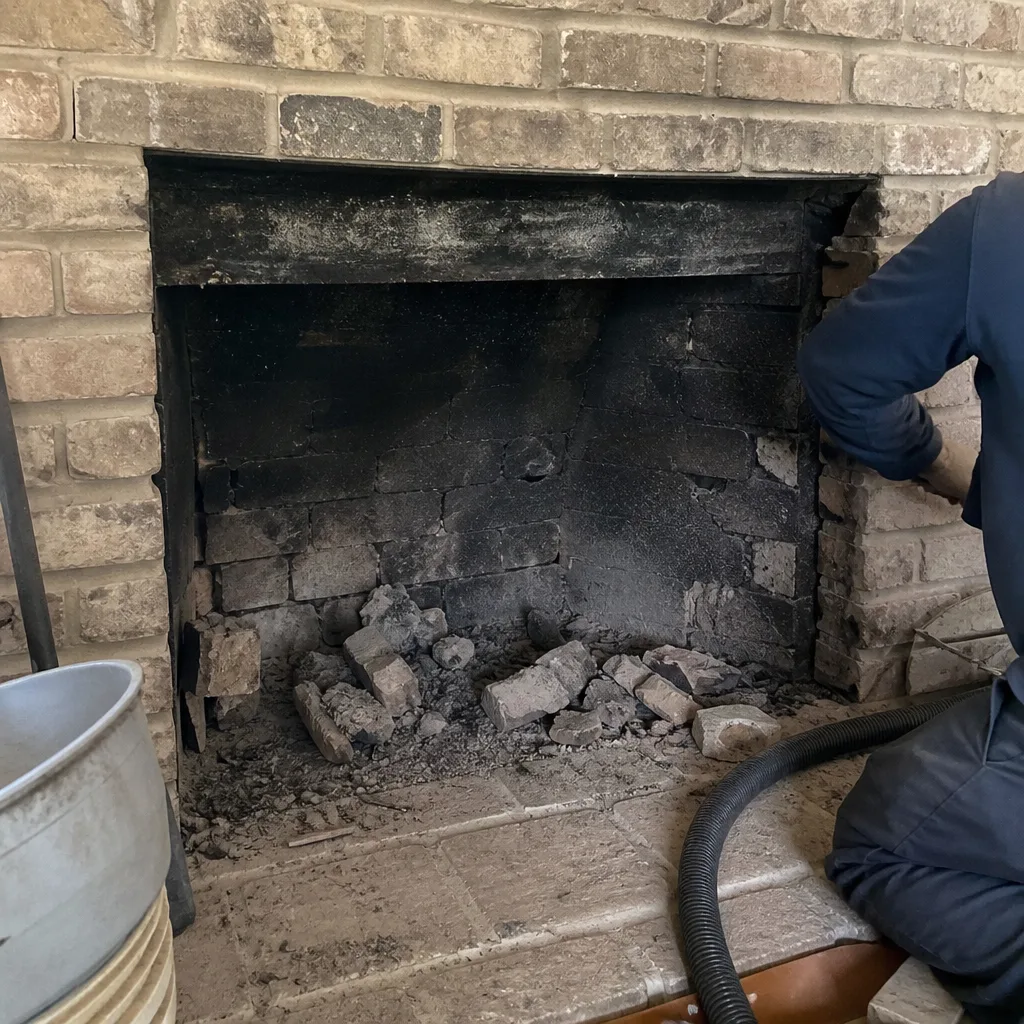 Before
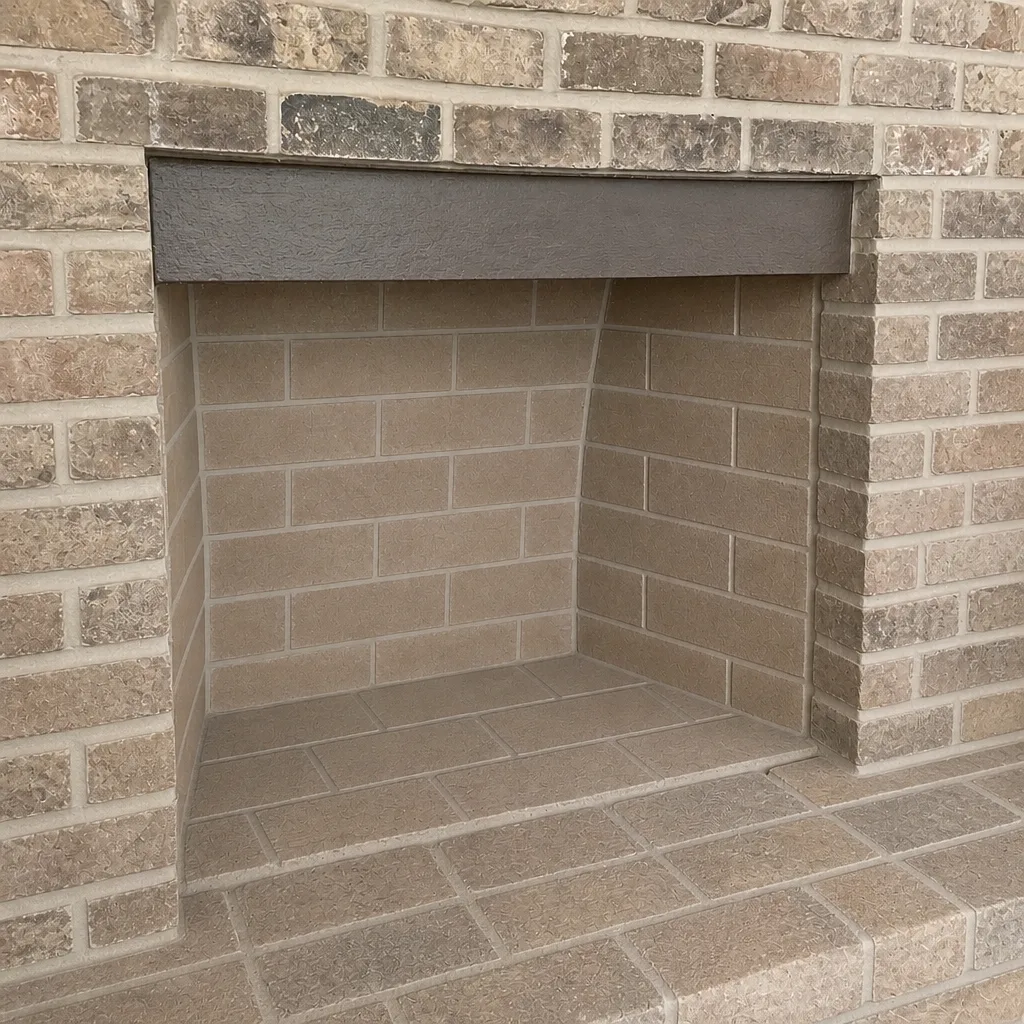 After
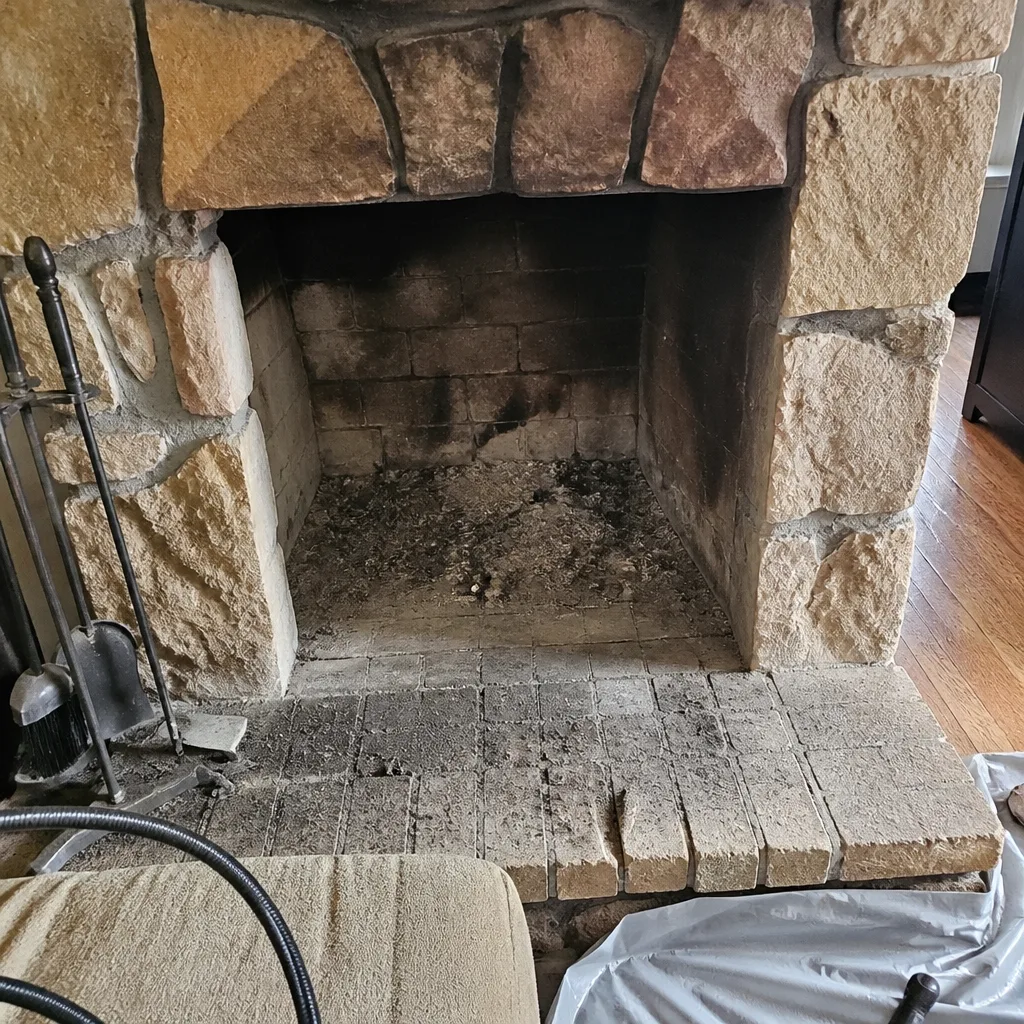 Before
 After
 Before
 After