
Last updated November 24, 2026
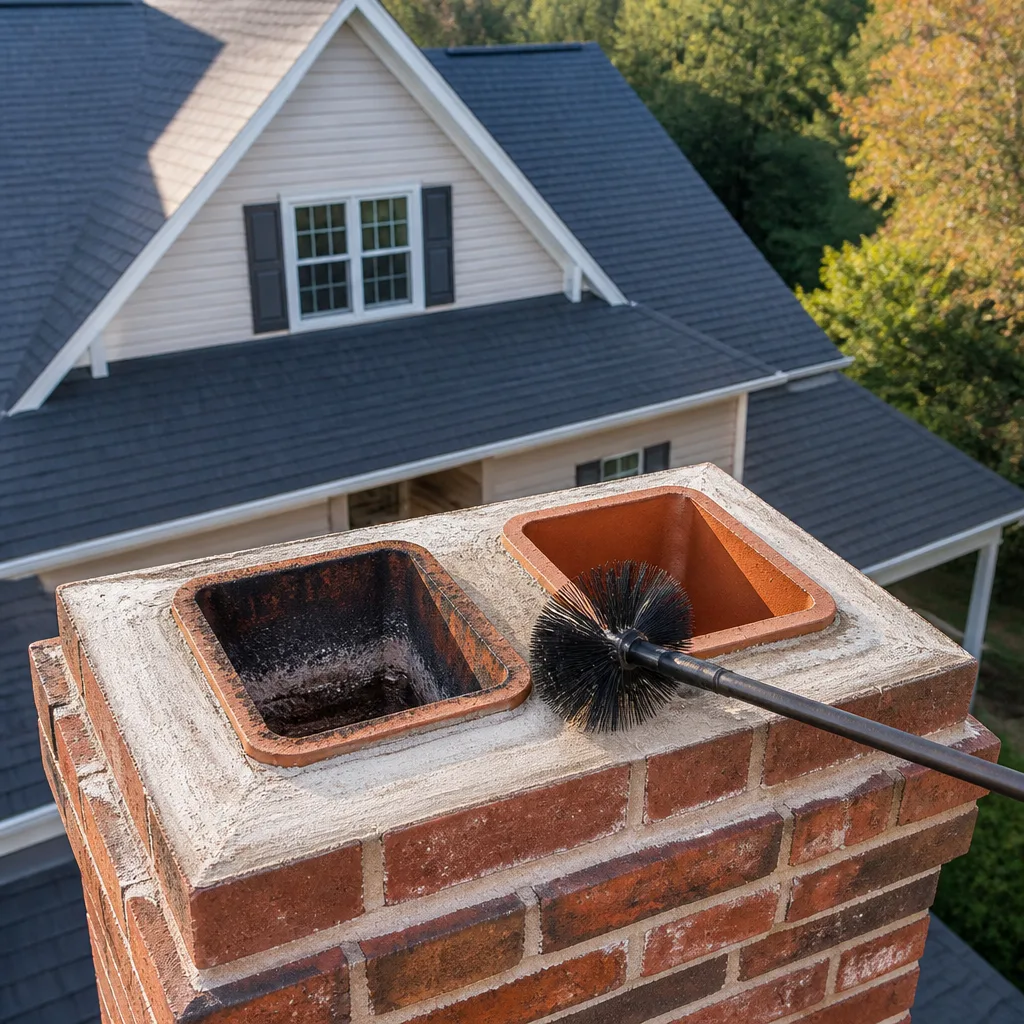 Sweep & inspection
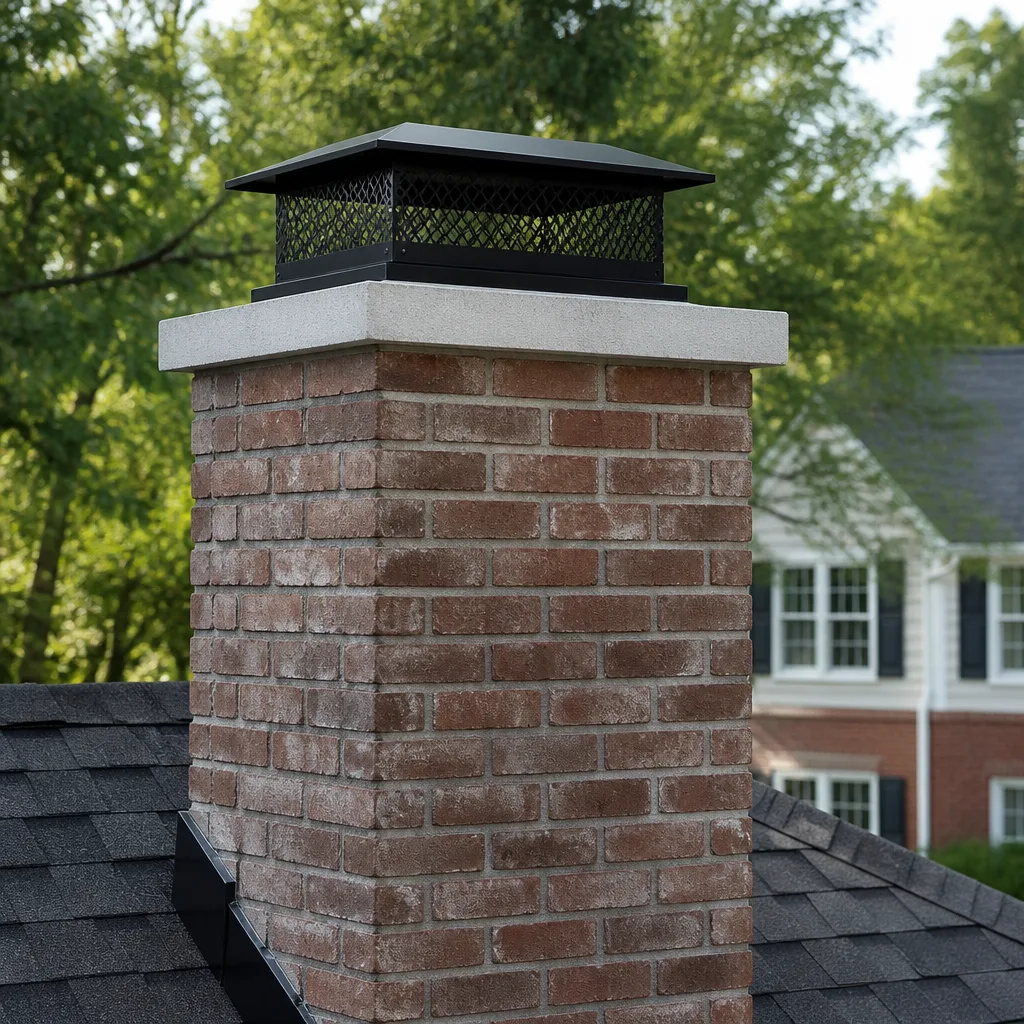 Caps & crowns
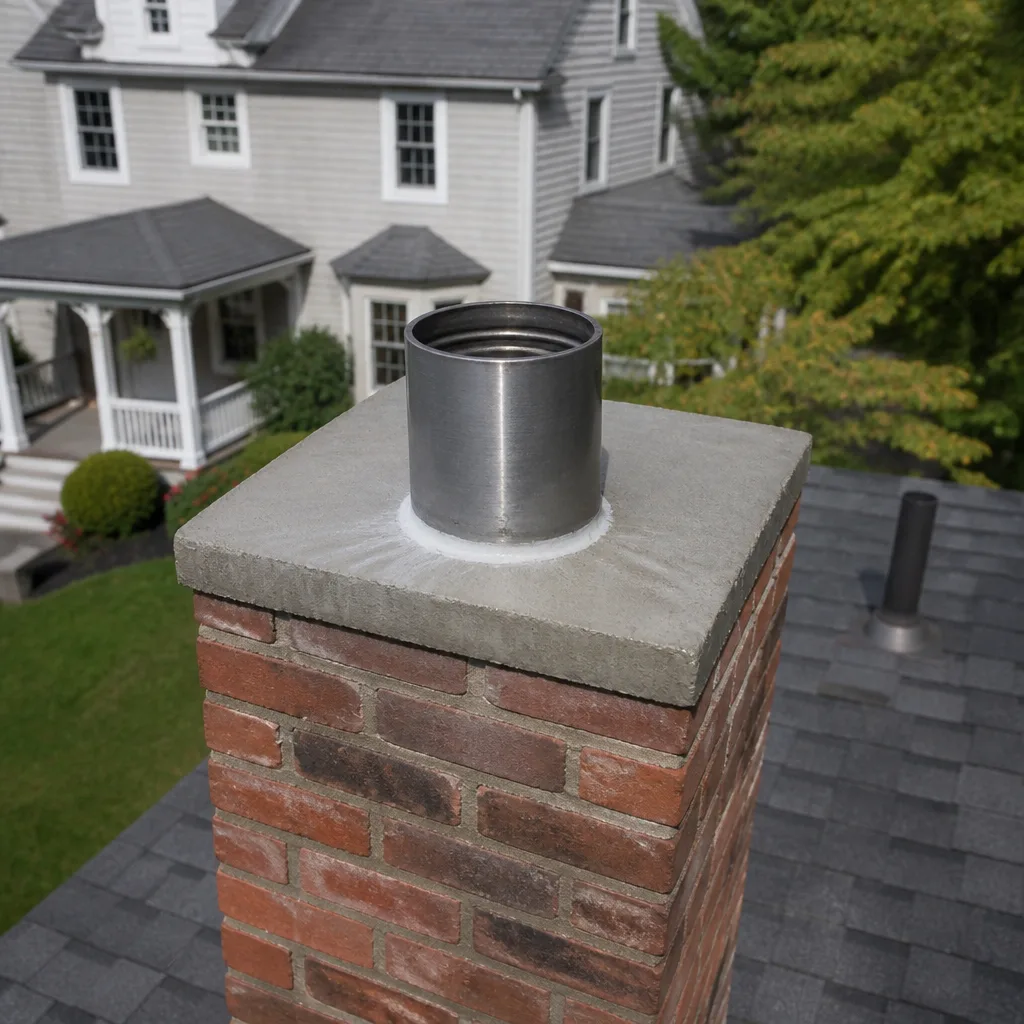 Flue relining
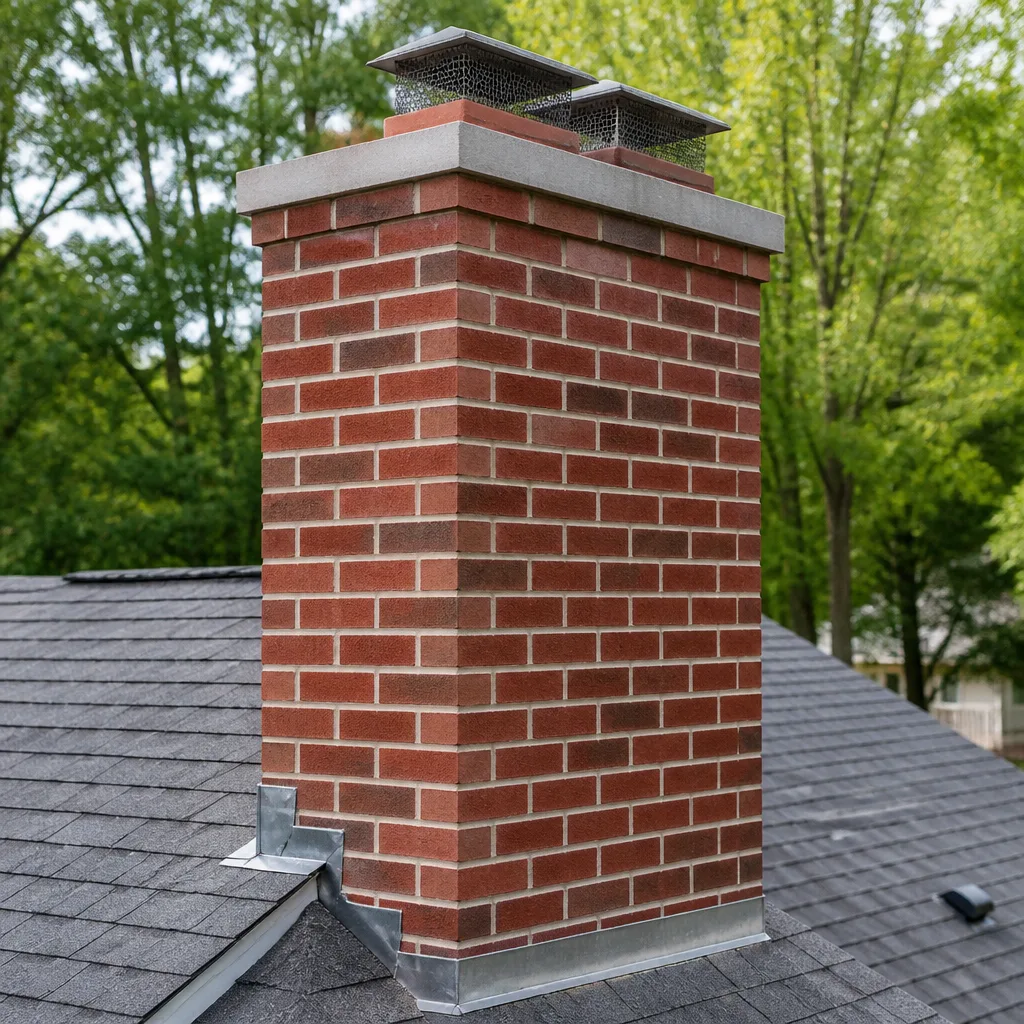 Masonry repair
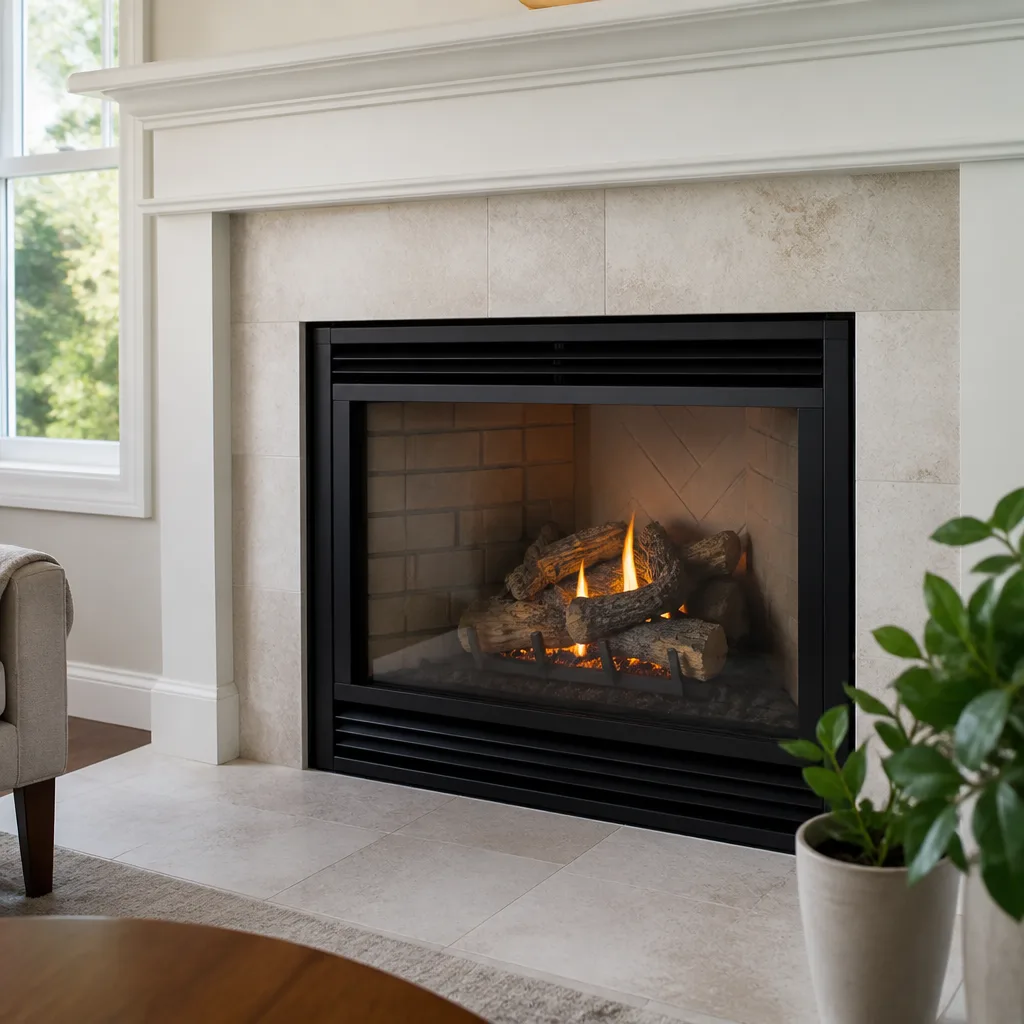 Gas fireplace service
Level 1 sweep and inspection to the NFPA 211 annual standard - flue, crown, cap, and flashing checked and photographed
Chimney sweep logs do not sweep chimneys. They loosen some creosote - which then falls where a brush and vacuum still have to collect it.
The Complete Guide to Chimney Cleaning in Riverton
Most chimney fires don’t start in dirty chimneys. They start in chimneys that were “cleaned” but never fully evaluated. The sweep removed the creosote, the homeowner paid the bill, and nobody looked at what the creosote was hiding: a cracked flue tile, a failed mortar joint, a crown that’s been letting water in for years. Cleaning removes fuel. It doesn’t restore safety on its own. A complete chimney job in Riverton is a sequence, and every step depends on the one before it. This guide walks through that sequence from the top of the flue to the crown so you know exactly what a full service looks like, and what to ask for when you book one.
Quick Answer
A complete chimney cleaning in Riverton is a two-part service: a mechanical sweep that removes creosote and obstruction from the flue, followed immediately by a visual inspection that documents the condition of the firebox, damper, flue lining, cap, crown, and flashing. Cleaning without inspection leaves the home unverified. Inspection without cleaning leaves combustible deposits in place. Both belong in the same visit, and both should produce a written record.
Styles & brands we work with
- Sweep & inspection
- Caps & crowns
- Flue relining
- Masonry repair
- Gas fireplace service
Table of Contents
- Why Chimney Cleaning in Riverton Is Different
- Sweep vs. Inspection: What’s the Difference?
- The Full Chimney Cleaning Process, Step by Step
- What a Technician Sees Inside the Firebox
- Crown, Cap, and Flashing: Part of the Cleaning System
- Creosote Stages and How Fast They Build Here
- What “Cleaning Complete” Documentation Should Include
- How Often Should You Schedule a Cleaning?
Why Chimney Cleaning in Riverton Is Different
Riverton sits in a valley that traps cold air in winter, and that trapped air changes how a chimney behaves. During an inversion, outdoor air pressure and temperature stack differently over the house than on a clear day. A fire still burns, but the draft weakens. Smoke lingers longer in the firebox before it rises. Combustion byproducts cool against the flue walls instead of being carried up and out. Cooler smoke deposits more creosote per cord of wood than hot smoke does.
That’s the local factor most generic chimney guides don’t account for. National guidance on creosote staging assumes steady draft and regular burn cycles. In Riverton, the burn season includes stretches of inversion days where draft is genuinely poor, and those are the days creosote accumulates fastest. A chimney that would reach Stage 2 creosote in a full season in a well-vented climate can climb faster here when burn habits are consistent and draft is weak.
What that means in practice:
- Cleaning frequency matters more here. If you burn regularly through the winter, an annual cleaning is the floor, not the ceiling. Homes that burn hard may need inspection more often than the calendar suggests.
- Wood choice affects staging. Seasoned hardwood burns hotter and deposits less. Green or unseasoned wood burns cool and smokes heavily, and in a Riverton inversion that smoke has nowhere fast to go.
- Draft problems masquerade as cleaning problems. A fireplace that smokes into the room isn’t always dirty. Sometimes the flue is clean and the draft is compromised by an undersized liner, a blocked cap, or negative pressure in the house. Only an inspection distinguishes the two.
That last point is the reason we treat a chimney sweep as one half of a service rather than the whole thing. The cleaning tells you what came out. The inspection tells you what the flue looks like now that it’s clear.
Sweep vs. Inspection: What’s the Difference?
A chimney sweep is the act of cleaning. A chimney inspection is the act of evaluating. They’re different services with different tools, different purposes, and different deliverables. Combining them into one visit is what makes a job complete; treating them as optional add-ons is where problems slip through.
What a sweep does
The sweep removes deposits. A technician runs brushes and rods through the flue sized to the liner, working from the top or the firebox depending on the setup, and captures the debris with a sealed vacuum so nothing enters the living space. Creosote, soot, bird nests, leaf debris, and loose mortar fall away. The firebox and smoke shelf get cleaned too. The result is a flue with clear walls and open flow.
What an inspection does
The inspection evaluates what the sweep exposed. A visual Level 1 inspection covers the readily accessible portions of the system: the firebox, damper, smoke chamber, flue interior as far as visible, cap, crown, and the exterior of the chimney where it meets the roof. The technician looks for cracks in the flue lining, gaps in mortar joints, rusted or warped dampers, deteriorated refractory panels, water staining, and cap damage. The findings get documented.
Why they belong together
Cleaning before inspection is the correct order because creosote hides damage. A cracked flue tile under a layer of soot looks like a shadow. A failing mortar joint behind glaze looks intact. Once the flue is swept, the same features stand out. Inspect first and you’re evaluating a dirty chimney through a film of deposits. That’s why we won’t split them on a first visit; a documented condition report without a cleaning can be useful for a second opinion, but as routine maintenance the two happen together.
The Full Chimney Cleaning Process, Step by Step
Here’s what a complete job looks like from arrival to written report. Every step matters, and skipping any one of them leaves the result partial.
- Interview and setup. The technician asks about burn habits, wood type, appliance type, and any symptoms you’ve noticed (smoke rollback, odor, poor draft). Drop cloths and a sealed vacuum go down before any tool comes out.
- Firebox and damper check. Before sweeping, the technician inspects the firebox and damper for obstructions, then opens the damper fully. Anything blocking the flue gets noted and removed.
- Exterior inspection from the roof or ladder. The cap, crown, flashing, and top course of masonry get checked for damage before work starts. If the cap is loose or the crown is cracked, that’s noted up front.
- Flue sweep. Brushes sized to the liner run the full length of the flue. The vacuum runs continuously. Debris is captured, not scattered.
- Smoke chamber and smoke shelf. This is the transition area between the firebox and the flue, and it’s where creosote collects out of sight. It gets cleaned with the same care as the flue itself.
- Post-sweep inspection. With the flue clean, the technician performs the visual inspection and photographs anything notable.
- Written report and walkthrough. Findings, photos, and recommendations get summarized. Anything urgent gets explained in plain terms, and anything that can wait is said so.
This sequence is standard whether we’re working with a wood-burning fireplace, a gas appliance venting through the chimney, or a wood stove. A gas fireplace still needs evaluation even though it produces far less creosote. The venting and the liner still age, and the masonry around them still takes on water.
What a Technician Sees Inside the Firebox
From the hearth, a firebox looks like a box. From inside it, with a light and a mirror, it’s a diagnostic surface. A technician sees things a homeowner physically can’t from standing height, and those details are often the difference between a routine cleaning and a repair conversation.
What gets checked that you can’t easily see:
- Refractory panel joints. The firebrick panels that line the firebox are held together with mortar joints. Hairline cracks that widen when the firebox is warm often look like tight lines when cold. A technician can tell the difference between normal heat checking and a joint that’s opening.
- The damper mechanism. Dampers corrode, warp, and sometimes seize. A damper that doesn’t open fully restricts draft and pushes smoke back into the room. A damper that doesn’t close fully lets heated air escape all winter.
- The smoke shelf and chamber. Above the damper, the firebox narrows into the smoke chamber before entering the flue. This area is where creosote builds unnoticed, and it’s where a fire can start and stay contained before spreading upward.
- The lintel and firebox floor. Cracks or spalling in the lintel above the opening, or in the firebox floor, can indicate structural movement or water intrusion.
- Staining and efflorescence. White deposits or dark streaking on the masonry indicate moisture moving through. That’s often the first clue to a crown or flashing problem above.
Findings like these are why an inspection report earns its keep. Many are not urgent, but some are. Refractory gaps and damper problems are a fireplace repair concern; a compromised crown or flashing is a chimney repair concern. Knowing which you’re dealing with is the point of getting an evaluation at the same visit as the cleaning.
Crown, Cap, and Flashing: Part of the Cleaning System
Water damages more chimneys than fire does. A crown, cap, and flashing failure lets water into masonry, and masonry doesn’t dry fast. Water freezes, expands, and pushes joints apart. Those joints fail, and the next freeze cycle widens the gap. Given enough winters, that cycle leads to structural repair or relining work that a properly fitted cap and crown would have prevented. This is why we treat the cap and crown as part of the cleaning system, not as separate maintenance items.
The crown
The crown is the concrete or masonry cap at the very top of the chimney that sheds water away from the flue and the brick. When a crown cracks, water runs in through the chimney top instead of off it. Small cracks can be repaired. A crown that’s badly spalled or separated needs replacement.
The cap
The cap is the metal or masonry cover that sits above the flue and keeps out rain, birds, squirrels, and debris. It also serves as a spark arrestor on many installations. A missing, rusted, or badly sized cap allows direct water entry and animal nesting, both of which compound the cleaning problem. We stock and fit Gelco, Olympia Chimney, and Famco caps, which lets us match the size and material to the flue rather than forcing a big-box generic onto a flue it doesn’t suit.
Flashing
Flashing is the metal that seals the joint where the chimney meets the roof. A chimney that leaks around the base, especially near the roof line, is often failing at the flashing and not at the crown. This gets checked during the exterior portion of every cleaning.
Our technicians have up to 9 years of experience reading these three components together. A clean flue under a cracked crown and a missing cap is only half a job. From the firebox to the cap, every component falls within a single provider’s scope, which is the only way the whole system gets evaluated as a system.
Creosote Stages and How Fast They Build Here
Creosote is a natural byproduct of burning wood. It starts as light soot and soot flake, then progresses through stages as deposits build and re-bake onto the flue walls. The stages are not cosmetic; they represent different risk profiles.
- Stage 1: Soot and flake. Light soot and dusty flakes that brush off easily. This is the normal starting point after a few fires and the easiest condition to clean.
- Stage 2: Porous crust. Creosote that has accumulated and hardened into a flaky or crusty layer. It’s harder to remove than soot and often requires more aggressive brush work or chemical treatment.
- Stage 3: Glaze. A hardened, glassy, tar-like deposit that has baked onto the flue wall. Stage 3 creosote is highly combustible and can ignite at much lower temperatures than the wood in the fireplace. It’s also the hardest to remove and often signals that a chimney has gone too long without a cleaning.
Where Riverton changes the picture is in the speed of the transition. Weak draft during inversion days deposits cooler, wetter smoke higher in the flue than a strong draft would. That cooler deposit hardens faster. Where a chimney in a steady-draft climate might spend a safe season at Stage 1 to early 2, a chimney in Riverton under consistent burn cycles and inversion draft can be well into Stage 2 by season’s end, and into Stage 3 if a cleaning gets deferred past the point it was due. The creosote doesn’t announce the shift. It just sits there building up, and by the time you can see the glaze it takes a different cleaning approach to remove.
None of this is a reason to panic. It’s a reason to schedule the cleaning on time rather than extending the interval a season or two. A sweep at the right moment removes Stage 1 and 2 deposits without extra effort. A sweep too late deals with Stage 3 that might have been avoided.
What “Cleaning Complete” Documentation Should Include
A cleaning is a service performed on a safety-critical system. It should leave a record. What separates a thorough job from a quick one is often the paper (or digital) trail left behind. Here’s what a proper cleaning summary should cover:
- Date of service and scope. What was cleaned (flue, firebox, smoke chamber), what was inspected, and what was found.
- Pre-clean condition. Reported condition of the flue, lining, damper, firebox, crown, cap, and flashing before any work started.
- Post-clean condition. What the flue looks like now. Any noted defects, with photos where accessible.
- Creosote assessment. What stage was observed and what it suggests about burn habits and scheduling.
- Recommendations. Items that need attention now, items to monitor, and items that can wait. Plain language, no upsell language.
- Photos. If a photo report is included, it should show the actual flue, firebox, cap, and crown, not stock images.
Why the record matters: if a chimney has a documented cleaning and inspection history, an insurer reviewing a claim has a paper trail of maintenance. If a home is sold, the same paperwork gives the buyer confidence the system was cared for. And if a future technician arrives for the next cleaning, the written history describes what was there before, which helps distinguish old damage from new. In our experience, homeowners who’ve had to rely on that documentation after a claim or a sale are the ones who wish they’d kept the earlier reports.
How Often Should You Schedule a Chimney Cleaning?
Annual cleaning and inspection is the standard baseline for any chimney that sees regular use. If you burn wood regularly through the winter, the annual visit is the floor. Homes that burn hard, burn unseasoned wood, or experience draft problems should consider adding a mid-season inspection.
Beyond the calendar, there are situational triggers worth acting on:
- A new-to-you home. If you’ve recently moved into an older Riverton home with a fireplace, book a cleaning and inspection before the first fire. You don’t know the maintenance history, and prior owners may have deferred cleaning for years.
- After a change in burn behavior. If the fireplace has started smoking into the room, if the draw feels weak, or if the fire struggles to establish draft, that’s a signal to have the system evaluated rather than just cleaned.
- After any animal or storm event. Birds nest in flues. Wind piles debris on crowns. A chimney that took a hit needs to be checked before firing it up.
- Before selling or buying. A documented inspection is part of the transaction paperwork. If the buyer’s inspector flags the chimney, a prior cleaning report is useful context.
- After any repair work. If the chimney has had repairs done elsewhere, an inspection confirms the repair held and there’s no new damage.
If nothing else, put the cleaning on the calendar at the same time each year. The interval matters more than the exact date, and staying on schedule in Riverton’s inversion season is the cheapest way to prevent creeping creosote staging.
Common Mistakes to Avoid
- Booking a sweep without an inspection. A sweep without a documented inspection removes deposits but leaves the structural condition unknown. Combining both in one visit is the only way the job is complete.
- Extending the interval for a second season. In Riverton’s inversion season, creosote builds faster than the national calendar suggests. An extra winter on the schedule can push Stage 2 deposits into Stage 3 glaze that takes much longer to remove and poses far more risk.
- Assuming a clean flue is a safe flue. Cleaning addresses fuel, not damage. A clean chimney with a cracked flue tile or a failed crown is still a hazard, and the cleaning makes the hazard harder to spot than the creosote did.
- Buying a cheap off-the-shelf cap. A cap that doesn’t fit the flue tight or doesn’t match the material of the chimney lets in water and animals, which brings the cleaning back around sooner. Proper sizing with something like a Gelco, Olympia Chimney, or Famco product matters.
- Burning unseasoned or green wood. Wet wood burns cool and smokes heavily, and that cool smoke deposits creosote fast. In a Riverton inversion that deposit can’t always vent as it should.
- Ignoring a chimney that hasn’t been used in years. An unused chimney still collects water, animals, and debris. It needs inspection before use, not just after.
- Throwing away the report. The written summary matters for insurance and resale. Keep every cleaning and inspection report with the home’s records.
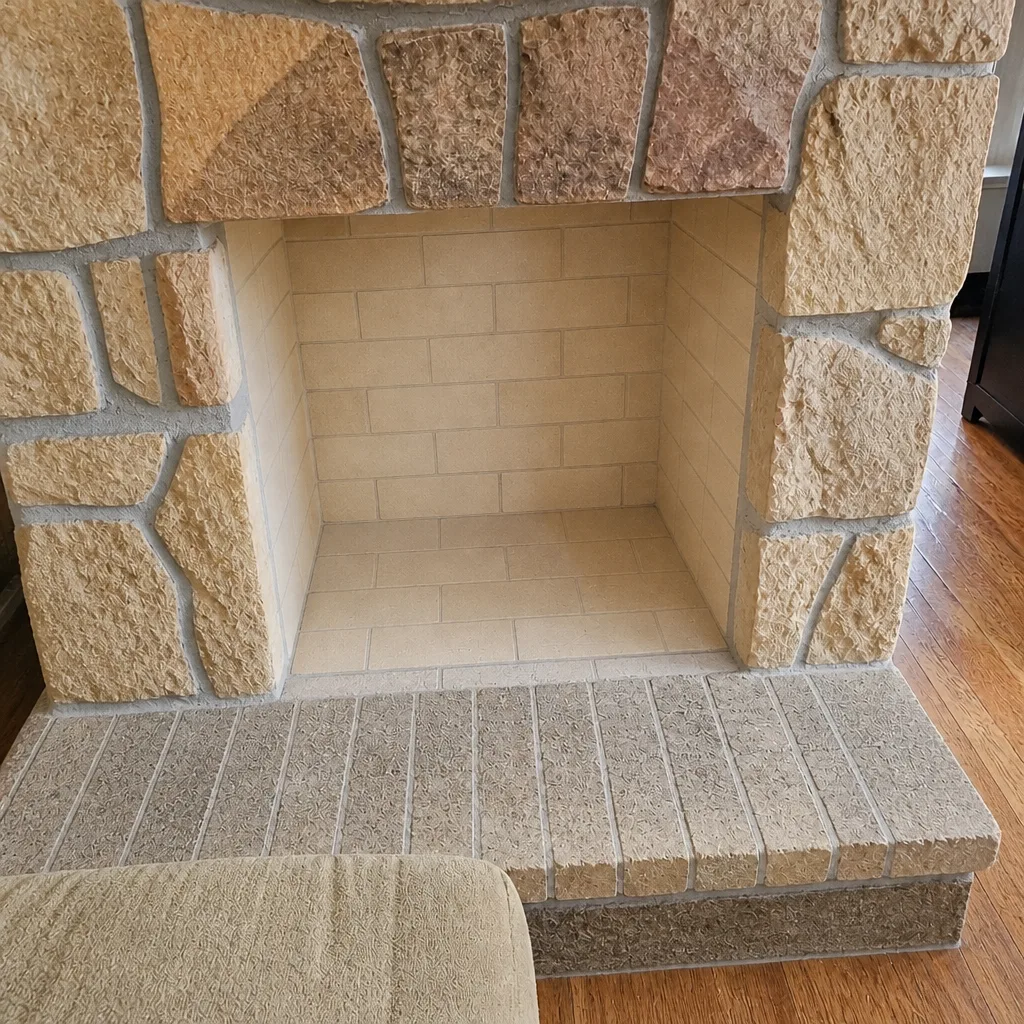
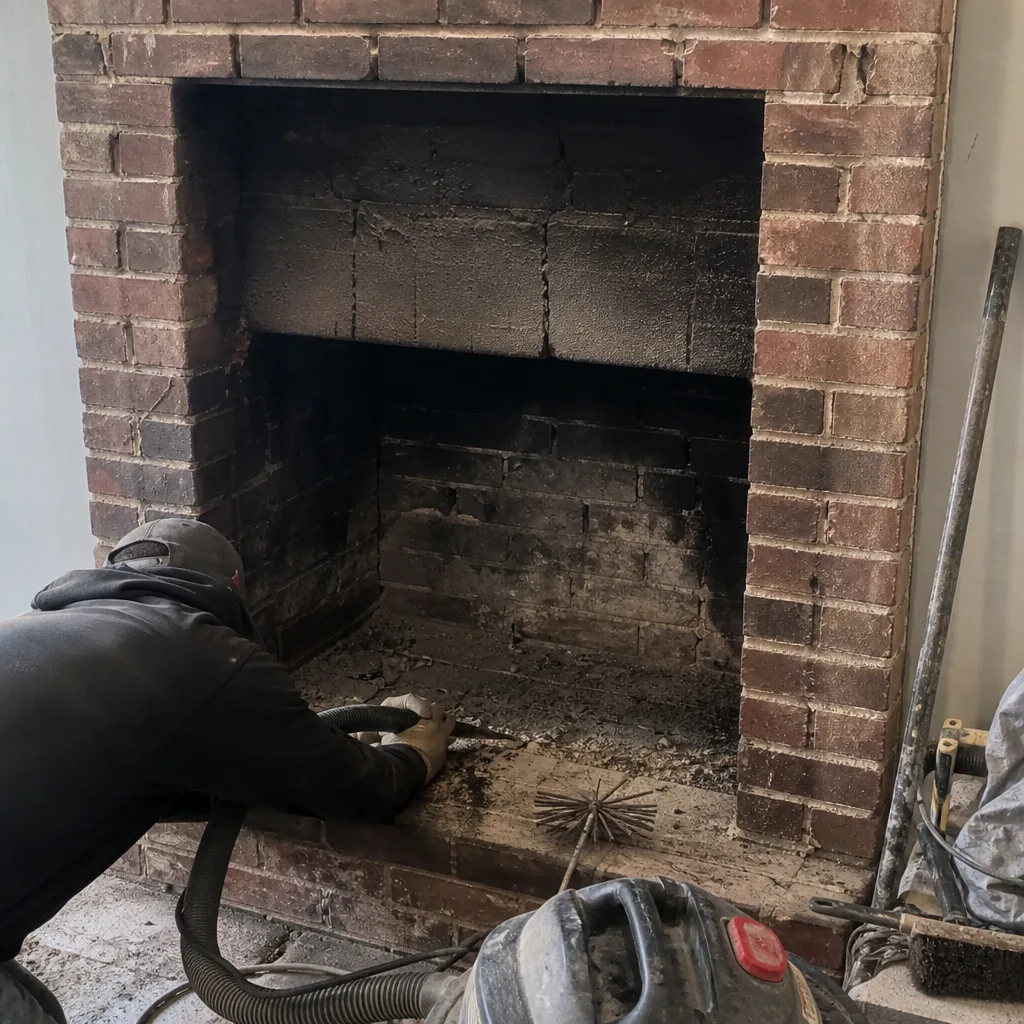
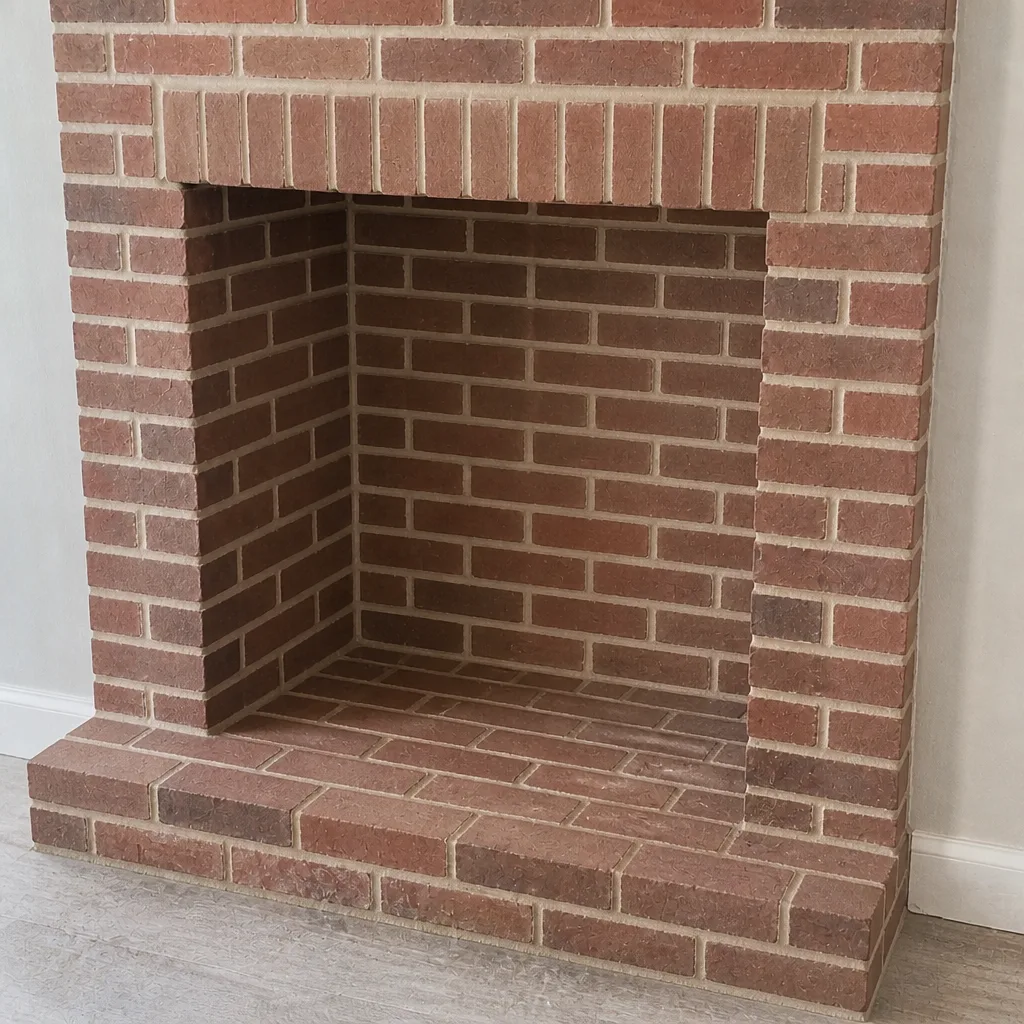
See the difference
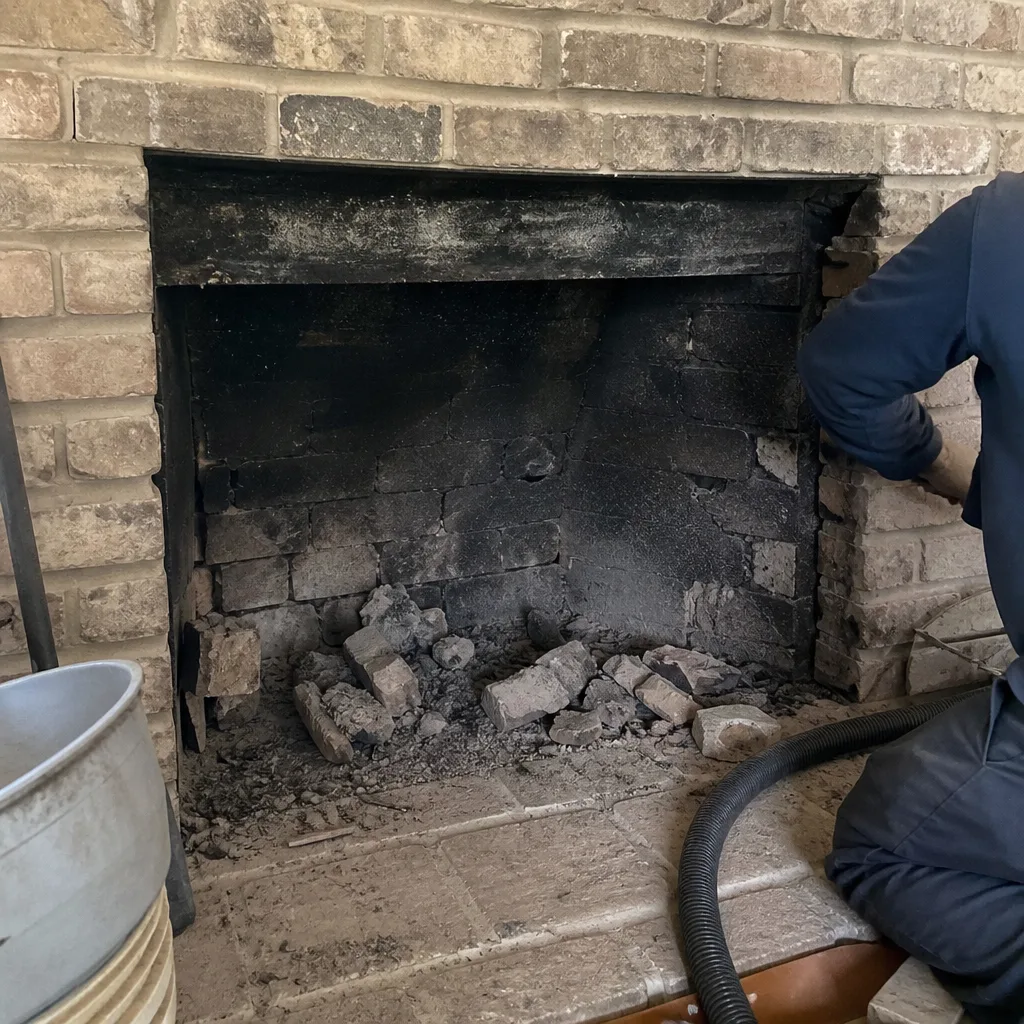 Before
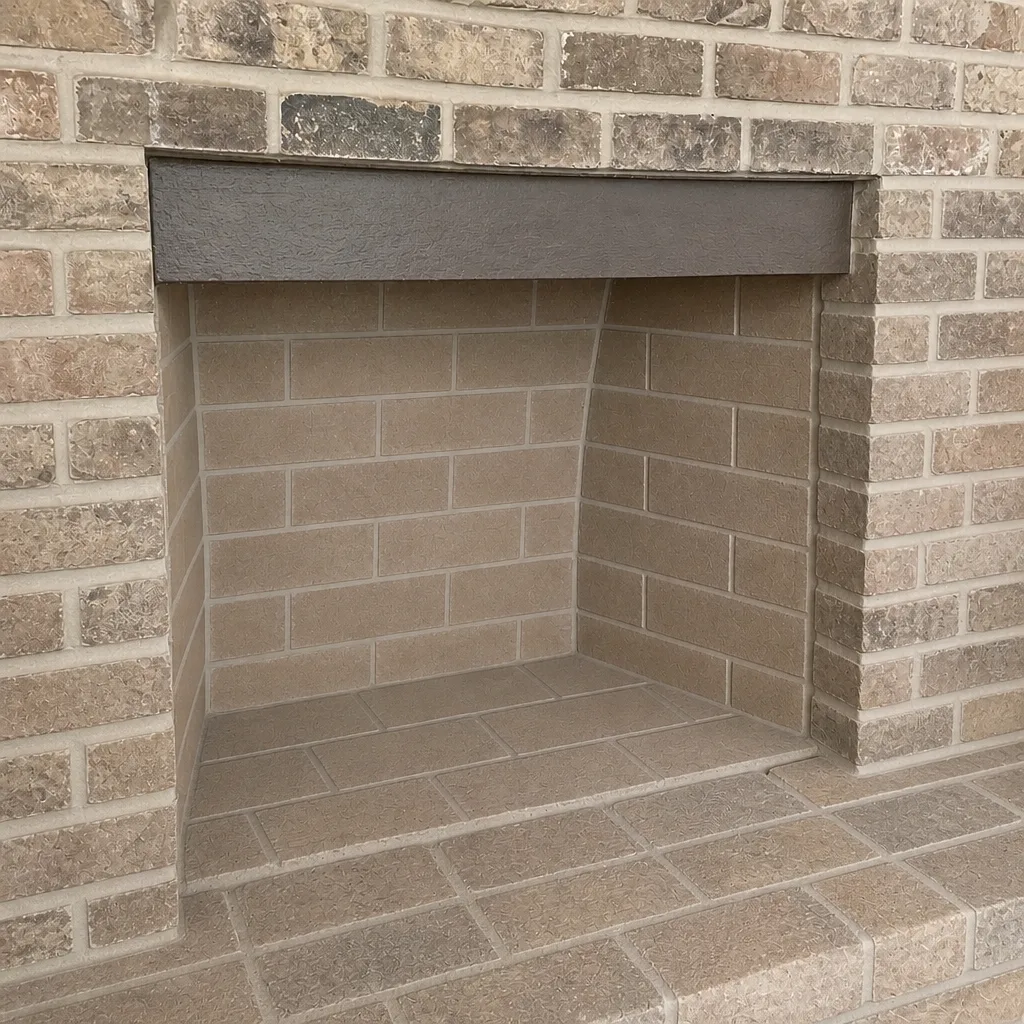 After
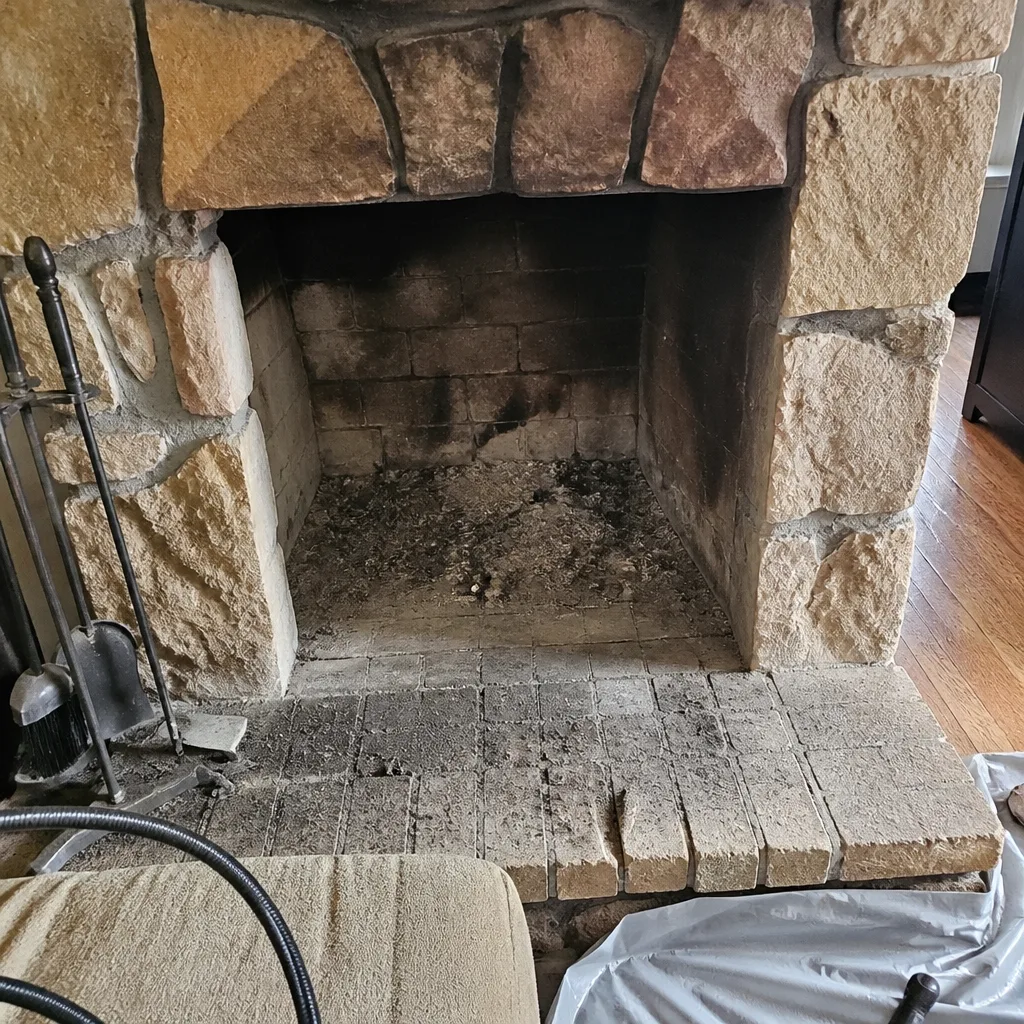 Before
 After
 Before
 After
When to Call a Professional
Call a professional if you’ve never had the chimney cleaned, if it’s been more than a season since the last cleaning, if you’ve noticed smoke backing into the room, if the firebox lining is visibly cracked, or if you’re moving into a home where the chimney’s history is unknown. Call us sooner if the firebox smells strongly of creosote between burns or you can see glaze on the flue walls.
Also call before assuming repair work is needed. A cleaning and inspection report will tell you what’s actually there and what can safely wait. Chimney Sweep Riverton offers free estimates in Riverton. Call (833) 468-5704. We answer 24/7, and fast dispatch runs from 7am to 7pm, Sunday through Friday.
Frequently Asked Questions
Cleaning in Riverton is priced per job based on the appliance type, access, flue condition, and whether repairs are being evaluated. A written estimate sets the final price before any work begins, and the estimate is free. Call (833) 468-5704 for an exact quote.
Not necessarily, and not without evidence. A full reline is warranted when the existing liner is cracked, spalled, or missing, when the appliance is being changed and the existing flue is mismatched, or when a flue fire has damaged the liner beyond what resurfacing can address. In many cases, a deteriorating flue interior that doesn’t require a full reline can be restored with HeatShield ceramic resurfacing. The only way to know which applies is an inspection with photos a homeowner can see. Call (833) 468-5704 to get an honest assessment.
Annual cleaning and inspection is the baseline for any chimney in regular use. Given Riverton’s inversion season and its effect on creosote staging, homes that burn hard through the winter may benefit from an inspection more often. Call (833) 468-5704 to schedule.
Creosote builds. In Riverton’s winter inversions, it builds faster than national average guidance suggests because cool smoke deposits harder. Skipping one season can push creosote from a condition a sweep removes easily into Stage 3 glaze that’s difficult to clean and highly combustible. The risk isn’t cosmetic. Call (833) 468-5704 before the next burn season.
Yes. Gas appliances vent through the same chimney structure, and while the creosote load is much lower, the venting and masonry still age. Gas chimney cleaning focuses on the venting path, cap, and any obstruction, with a visual inspection of the liner and the firebox. Call (833) 468-5704 to book one.
The inspection is part of a complete cleaning, not a separate add-on. You’ll get the visual inspection findings documented in writing along with the cleaning, and the report includes photos where accessible. If you need an inspection on its own, that’s available too, and it’s an honest evaluation of the chimney’s condition. Call (833) 468-5704 to schedule.
The Bottom Line
Chimney cleaning in Riverton is a sequence, not a single task. The sweep removes deposits. The inspection evaluates what’s underneath. The cap, crown, and flashing get examined because they’re part of the same system that keeps the chimney working. The documentation ties it all together for your own records, for insurance, and for the next owner if you ever sell. Skip any step and the job is partial. Riverton’s inversion seasons make creosote build faster than the national calendar suggests, which is one more reason not to stretch the interval. If you’ve been meaning to book a cleaning, or you’re not sure the one you had was complete, we’re a call away. Look at Chimney Sweep Riverton to see the full service scope, or call (833) 468-5704 for a free estimate. We answer 24/7, and fast dispatch runs from 7am to 7pm, Sunday through Friday.
Written by the team at Chimney Sweep Riverton.